
A Well-Made Game, a Disappointing Successor: Castlevania: Belmont's Curse
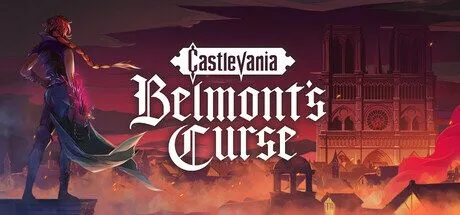
The Castlevania franchise has left an indelible mark on gaming history, essentially serving as a cornerstone that helped birth the Metroidvania genre. However, after the release of Order of Ecclesia in 2008, the mainline series entered a long period of dormancy. Eighteen years later, we are met with Castlevania: Belmont's Curse. The project arrived wrapped in a mix of anticipation and anxiety: could a veteran of the genre compete with modern successors that have perfected the formula, or would it merely be a shadow of its former self?
A Trifecta of Weapons and Magic
The game is set in a Paris engulfed in flames, transformed into a hellscape overrun by the undead. At the heart of the story is Rose Belmont, the daughter of the legendary vampire hunter Trevor Belmont. Players explore this dark city using a diverse arsenal of seven weapon categories: from the iconic whip and balanced straight swords to heavy greatswords and gauntlets. Each weapon type offers a distinct playstyle, ensuring combat variety.
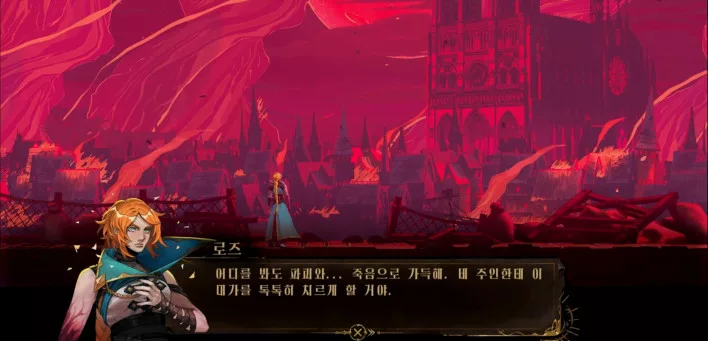
A key element of the gameplay, alongside weaponry, is the Tarot Cards mechanic. These cards serve a triple purpose: they act as mana-consuming magic spells, drive exploration by providing clues to hidden characters, and serve as narrative vessels. Defeated bosses are absorbed into cards, allowing their spirits to accompany Rose Belmont, offering guidance or, in some cases, fueling her anxieties.
The 'Super Meat Rose' Problem
Despite its strong foundation, Castlevania: Belmont's Curse suffers from a lack of polish in its platforming sections. The controls feel overly complex; the Holy Light ability, required to navigate Chaos Shards, demands extreme precision. A mistake in timing—whether activating or deactivating the ability too early or too late—almost inevitably leads to instant death. When combined with the sluggishness of the whip, which requires time to extend and build momentum, platforming becomes a primary source of frustration.
The progression system also feels restrictive. During the Koji Igarashi era, players could rely on stat grinding, equipment farming, or soul synthesis to overcome difficult segments. In Belmont's Curse, the focus shifts heavily toward mechanical execution. Leveling up provides negligible impact on survival, and weapon stats offer little help when navigating punishing platforming puzzles. This forces players into a test of endurance where the only solution is flawless mechanical mastery.
Searching for Identity
That said, it would be unfair to call the game bad. As a Metroidvania, Castlevania: Belmont's Curse is exceptionally well-crafted. Exploration is rewarding, and the combat and visual presentation are highly engaging. The issue lies in its direction: the game leans heavily into the "Metroid" side of the genre, moving away from the "Vania" traditions of RPG growth and resource management.

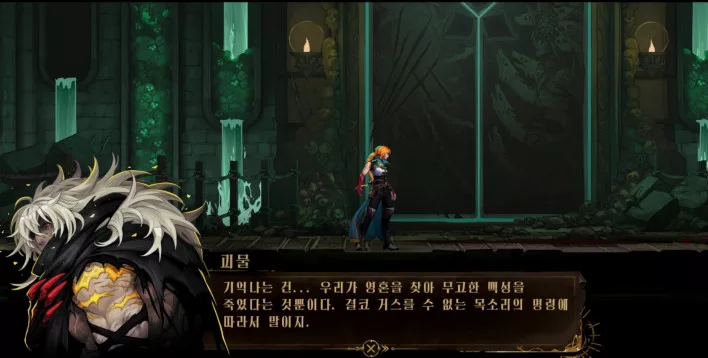
It feels as though a master has returned to learn new techniques from their own students. While the game masterfully adopts the modern design language of the genre, it lacks the unique variety and approachability that once defined the series. Castlevania: Belmont's Curse is a high-quality title, but it struggles to establish a distinct identity that separates it from the many excellent successors it seeks to join.
Зануда
