

Bluetooth HDT: New Standard Promises Significantly Higher Throughput by 2027
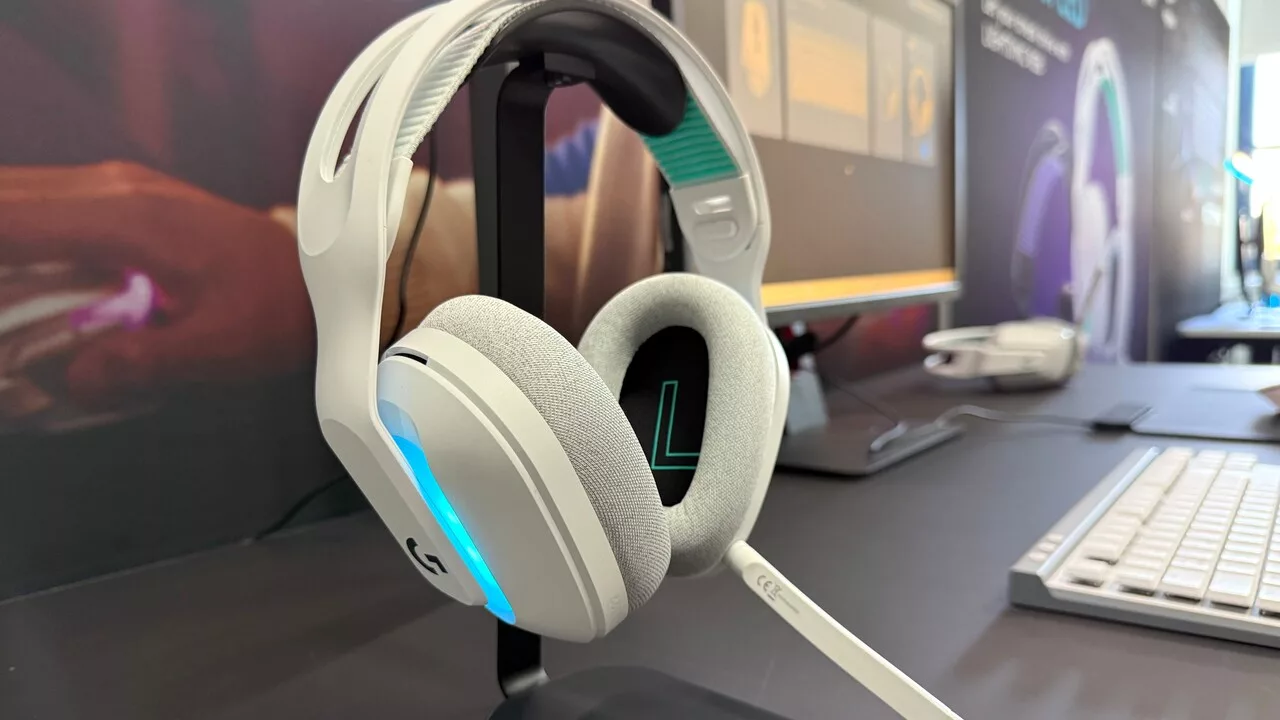
The Bluetooth SIG is preparing for a significant leap in wireless data transmission with the introduction of the Bluetooth High Data Throughput (HDT) standard. Expected to arrive in 2027 as an optional feature of Bluetooth 7.0, HDT aims to more than double current peak speeds, potentially transforming high-end wireless audio and expanding the capabilities of data-intensive technologies like Extended Reality (XR).
While marketing materials for Bluetooth HDT suggest a nearly fourfold increase in data transfer rates, this figure is based on a comparison with the 2 Mbit/s Bluetooth Low Energy (LE) standard. When compared to the current high-speed tier of 3 Mbit/s, the jump to a maximum of 7.5 Mbit/s represents a significant increase in throughput. This advancement is designed to address the growing demand for bandwidth in increasingly complex wireless environments.
Improved Efficiency and Stability
The core of this performance boost lies in a new Physical Layer (PHY) utilizing more robust modulation schemes. According to the Bluetooth SIG, these improvements allow Bluetooth LE devices to communicate more efficiently, enabling them to transmit significantly more information per connection. Beyond raw speed, the standard promises several practical benefits for users:
- Faster interaction and synchronization due to reduced transmission times.
- Improved spectral efficiency, allowing more data exchange within available radio resources.
- Enhanced energy efficiency by shortening active transmission phases and extending low-power sleep modes.
- Increased reliability, providing more consistent radio performance in demanding or crowded operating environments.
Targeting Premium Audio and Future Tech
The primary immediate use case for Bluetooth HDT is 'Premium Wireless Audio.' The increased bandwidth is expected to enable lossless, high-resolution audio, as well as advancements in Spatial Audio and multi-channel surround sound. While high-end wireless headsets currently rely on Bluetooth 6.0, the first wave of HDT-capable audio devices is anticipated to enter the market as early as next year.
Looking further ahead, the standard is being positioned to support AI-enabled devices and Extended Reality (XR) applications. Additionally, the technology is considered for industrial sectors, particularly for use in automation and monitoring systems where reliable, high-speed data transfer is critical.
Гика
