

Black Flag Resynced: Why the Remake Works With Player Memory, Not Just Graphics
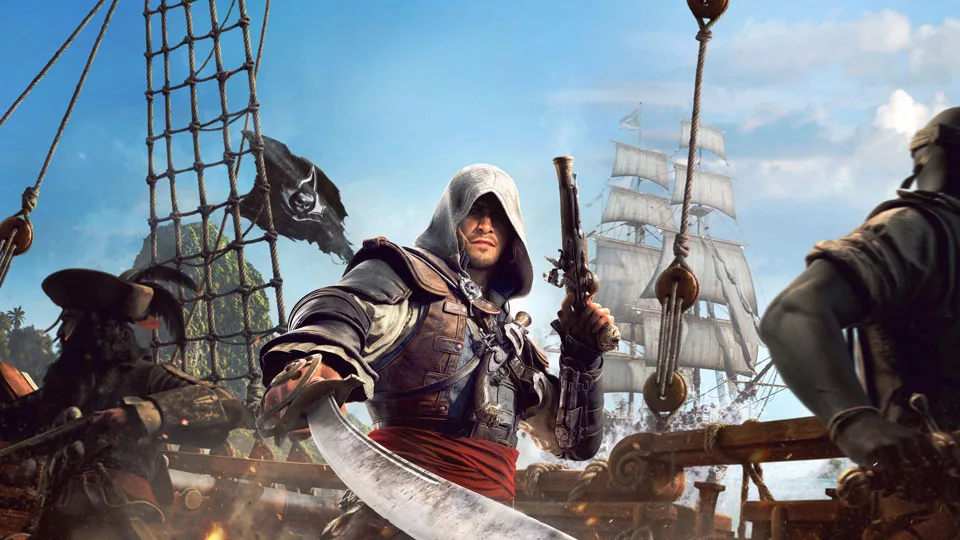
A good remake rarely copies the original literally; it argues with the version players carry in memory.
A Remake as Feeling Reconstruction
Assassin's Creed Black Flag Resynced launched on July 9 and brings Edward Kenway back in an updated Caribbean adventure. Ubisoft describes it as a faithful recreation powered by a modern Anvil Engine, improvements, and new content.
The real task is harder than it looks. The remake has to resemble not only the original game, but also the memory of it: the sea should feel wider, the ship heavier, boarding more dynamic, and the Caribbean more alive than the 2013 technology allowed.
Where Changes Begin
Resynced updates visuals, combat, stealth, and naval battles. That is normal for a remake, but also risky: if systems become too modern, they can erase rough edges that were part of the original's character.
That makes Black Flag Resynced interesting not as a simple upgrade list, but as a test of where respect for old design meets new-audience comfort.
Who It Is For
For new players, the remake offers a path into one of Ubisoft's most beloved adventures without the old technical shell. For veterans, the deal is harder: they want it to look better, but still feel recognizable.
If the game keeps the pirate rhythm, sense of freedom, and sea drama, it wins. If changes turn it into a generic modern Assassin's Creed, nostalgia pushes back.
Conclusion
Black Flag Resynced matters as a modern remake: it sells not only graphics and convenience, but also the promise of returning a memory. That is always riskier than raising texture resolution.
Sources: Ubisoft News, Xbox Wire, Times of India Gaming.
Редакция MBG
