

Retro: How Battlefield 3 Pushed Even the GTX 580 to Its Limits
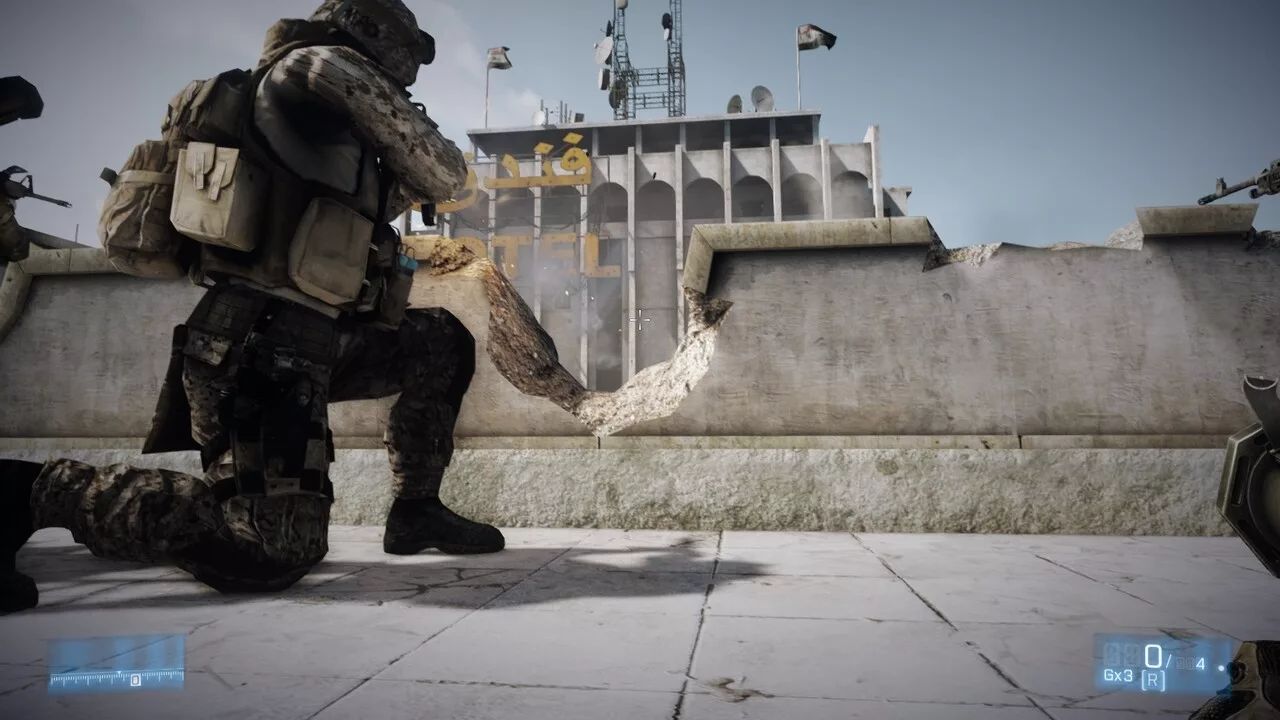
Fifteen years ago, Battlefield 3 arrived as a technical powerhouse. Powered by the Frostbite-2 engine, it pushed the boundaries of visual fidelity, but it also served as a demanding benchmark that even top-tier cards like the NVIDIA GeForce GTX 580 struggled to master.
Released in late October 2011, Battlefield 3 aimed to reconnect the franchise with its PC roots. While Call of Duty dominated the military shooter market, DICE focused on scale, offering 64-player battles across diverse maps like Caspian Border and Tehran Highway. The gameplay centered on classic modes like Conquest and Rush, providing a mix of wide-open vehicular combat and intense infantry skirmishes.
The Frostbite-2 Visual Leap
The Frostbite-2 engine introduced DirectX 11 features, including tessellation and advanced lighting models that many felt surpassed Crysis 2. However, this visual fidelity came with a high cost. The shift to DirectX 10 as a minimum requirement also meant that Windows XP was no longer supported, marking a significant transition for PC gaming hardware requirements.

Benchmark Results: The Cost of Detail
Performance testing at the time revealed that even flagship hardware faced challenges. At 1920x1080 resolution with 4x MSAA, FXAA, and 16x AF, the NVIDIA GeForce GTX 580 managed only 44.3 FPS. The AMD Radeon HD 6970 trailed with 40.0 FPS. Anti-aliasing proved to be a massive performance killer; disabling MSAA allowed the GTX 580 to jump from 44.3 FPS to 62.5 FPS, making it a crucial setting for lower-end configurations.

System Bottlenecks and Service Friction
While the multiplayer was highly praised, the launch was marred by controversy surrounding EA's Origin platform and its privacy terms. Additionally, the introduction of Battlelog—a web-based matchmaking system—required a shift in user habits compared to traditional in-game lobbies.
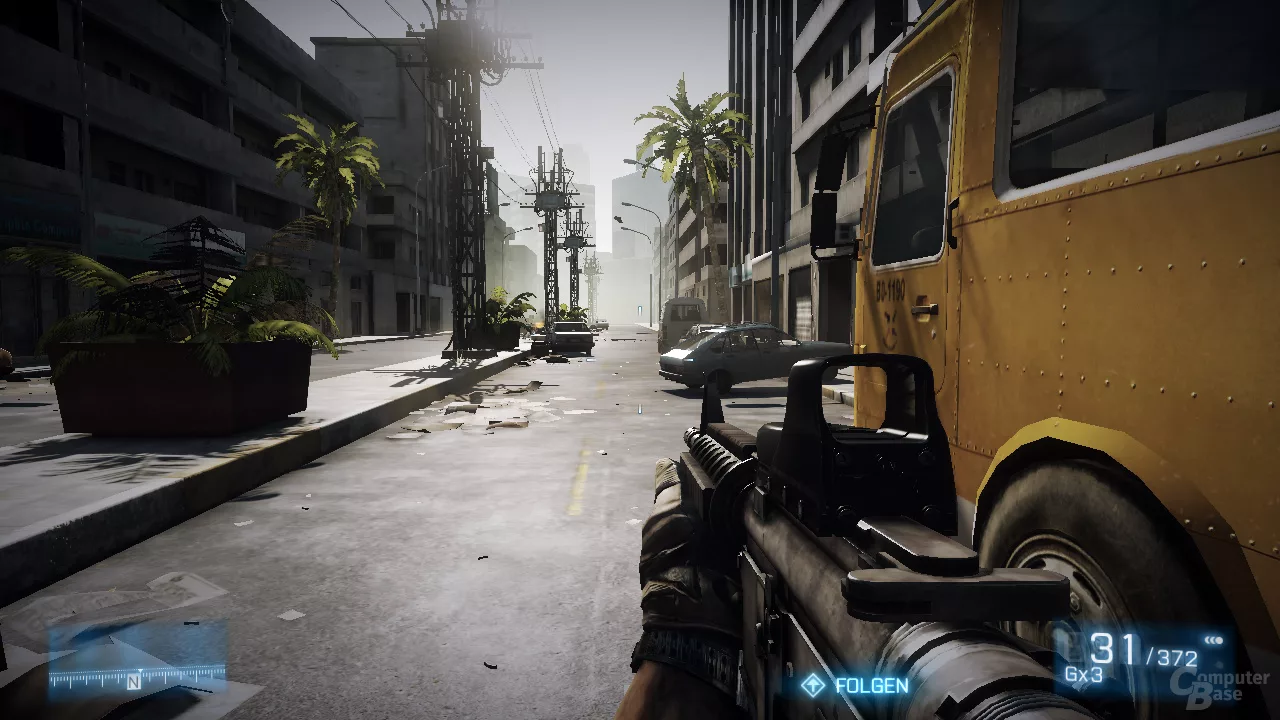
On the hardware side, the game was primarily GPU-bound. Testing showed that increasing the clock speed of an Intel Core i7-2600K from 2.5 GHz to 4.5 GHz had negligible impact on average FPS in single-player mode, unless the system was limited to only two active cores.

Гика
