Balcony Power Plants: BGH Rules Aesthetic Concerns Are Not Grounds for Prohibition
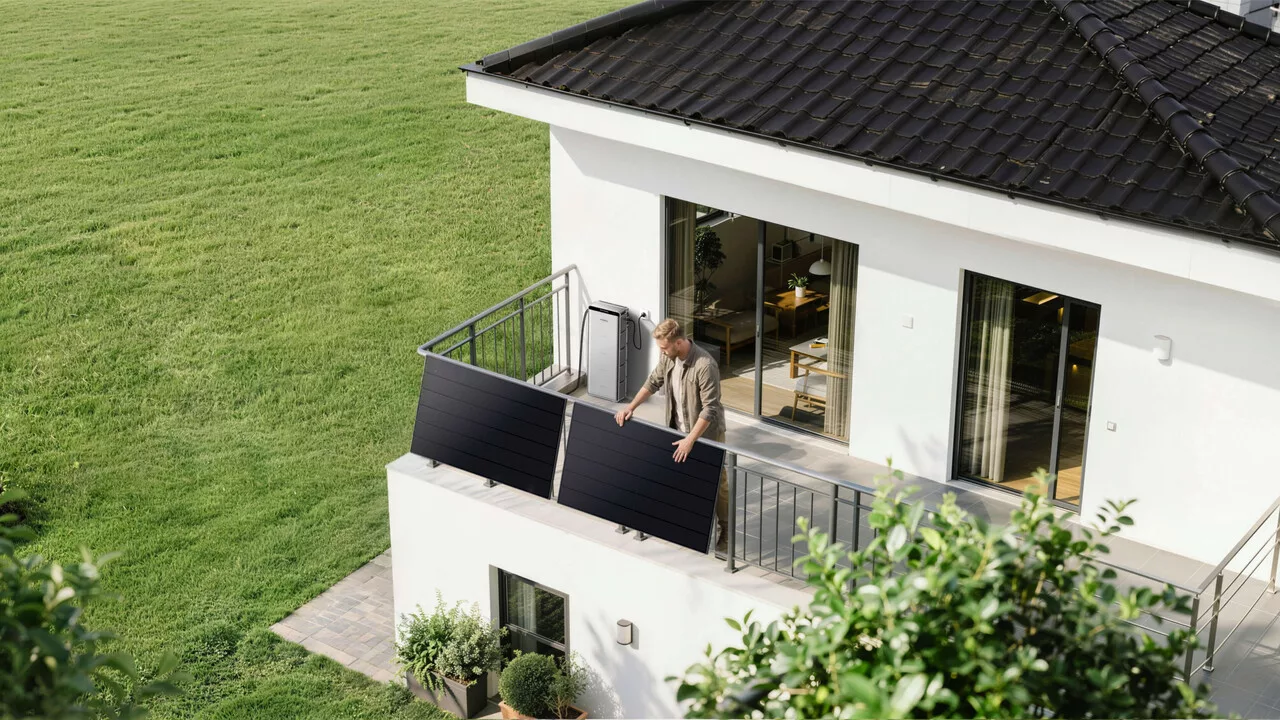
Landlords can no longer rely on the argument that balcony solar systems (Balkonkraftwerke) ruin a building's aesthetic to deny tenants their right to install them. In a significant ruling on November 25, 2026, the German Federal Court of Justice (BGH) set strict limits on what constitutes a valid reason for prohibition, addressing concerns about 'patchwork' facades and visual changes.
The legal dispute originated from a housing cooperative that attempted to dictate the specific installation method for a tenant's balcony solar system. Although the tenant had obtained permission to install the system, the agreement stipulated that the modules must be placed below the balcony railing to avoid altering the building's appearance. Instead, the tenant mounted the solar modules on the outside of the balcony. Following a formal warning, the cooperative sued for the removal of the modules. While the District Court initially ruled in favor of the cooperative, the Regional Court overturned that decision, a verdict now upheld as final by the BGH (Case No. VIII ZR 248/25).
Aesthetic changes do not justify a ban
Since October 2024, tenants in Germany have held a legal entitlement to permission for installing balcony solar systems. While § 554 Para. 1 of the German Civil Code (BGB) allows landlords to refuse structural changes that are unreasonable even when considering the tenant's interests, the BGH has clarified the boundaries of this right. The court ruled that the mere visibility of solar modules does not justify a prohibition. The court noted that landlords have a legitimate interest in the building's appearance, but this must be balanced against the fact that facades naturally change over time and that the legislature specifically intended to promote the widespread adoption of such systems.
The cooperative also raised concerns regarding potential glare from the modules. However, the BGH clarified that the mere possibility of light reflection is insufficient; there must be evidence that neighbors are actually being disturbed and to what extent. Furthermore, a general resolution by the cooperative's representative assembly—which prohibited the installation of modules on the outer sides of balconies—was found insufficient to override the tenant's statutory rights in this specific case.
The necessity of permission remains
Despite this ruling, the BGH emphasized that tenants do not have a 'blank check' for arbitrary installation. The court noted that the tenant in this case lacked the specific permission required for the chosen mounting method. However, because the cooperative was legally obligated to grant permission for such an installation under the principle of good faith (Treu und Glauben), they could not claim the right to have the system dismantled due to the lack of prior formal approval.
While the ruling clarifies the limits of aesthetic objections, it leaves certain details to individual circumstances. It remains unclear from the BGH press release exactly what specific technical requirements or mounting conditions a landlord is permitted to impose, or whether a landlord can prohibit certain types of mounting entirely on a case-by-case basis.