

Astini Explains Why TaiLung's Lifetime Ban Doesn't Require Public Evidence
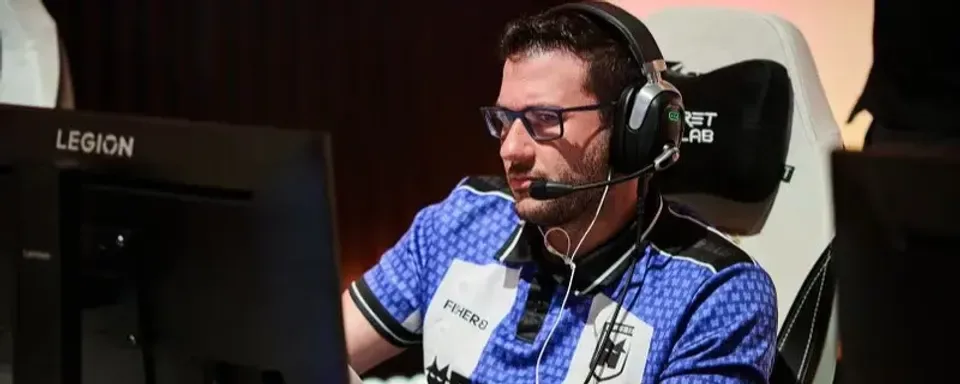
Filipe "Astini" Astini has once again commented on the situation surrounding TaiLung following his suspension from The International 2026 and his lifetime ban from PGL tournaments. The coach revisited the topic after part of the community reacted to recent publications about TI and debates over the evidence in the player's case.
Astini explained why he doesn't consider the absence of published materials as a sign of lack of evidence and also commented on the actions of LGD Gaming and TaiLung during the investigation. He also condemned threats and harassment directed at the 17-year-old player.
The Difference Between Lack of Access and Lack of Evidence
Astini noted that he initially didn't plan to discuss the situation again, but changed his mind after comments on publications about The International 2026. In his view, the attitude towards match-fixing in part of the South American community has become too frivolous over the years, and the topic often turns into memes and jokes.
"Match-fixing has become a joke, a meme, and entertainment. And then the same thing happens: the person banned for violations becomes a victim and idol, while those who refused to participate or reported the problem are blamed. As a result, values are completely reversed."
According to Astini, this is the background for the argument that a lifetime ban cannot be considered justified until all evidence is presented publicly. The coach considers this logic flawed and urged people to differentiate between the lack of access to materials and the lack of materials themselves.
Astini reminded that he had previously gathered information that could be verified through open sources. Specifically, he mentioned public blockchain data and open groups, but emphasized that such information alone cannot prove a violation.
"There is no evidence" and "I haven't seen the evidence" are different things. There is public information that anyone can verify. I collected what could be tracked and immediately stated that this data alone proves nothing. They can bring us closer to understanding the situation, but the final decision is made by those who have access to the rest of the information.
According to Astini, private materials may include internal testimonies, messages from investigation participants, reports, and the identities of people who provided information. He noted that such information is usually not fully disclosed, as it could affect ongoing investigations or reveal informants.
"The disciplinary process is different. There may be testimonies, internal complaints, investigation reports, and the identities of those who provided information. Such things are not fully published, partly to protect the people who reported the violation."
Astini also pointed out that TaiLung is a minor. In his opinion, this creates additional reasons for keeping some materials confidential.
Дурик
