

AMD Zen 7 "Grimlock": RDNA 5-based APUs May Not Arrive Until 2029
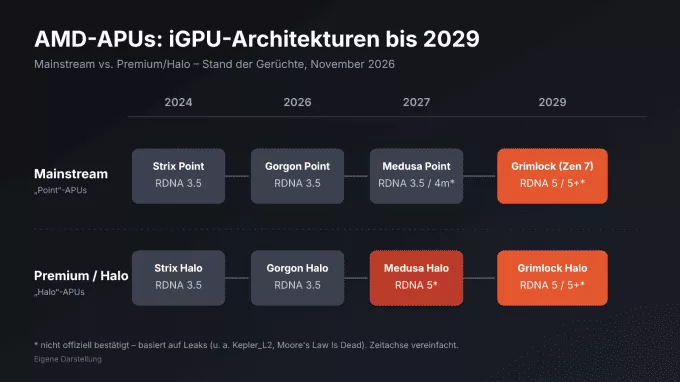
Those hoping for a massive leap in integrated graphics in the next generation of laptops may need to wait. According to recent rumors, the RDNA 5 architecture is expected to arrive in AMD's mainstream mobile APUs only in 2029, paired with the Zen 7-based processors codenamed Grimlock.
The information comes from leaker Kepler_L2, who has a history of accurate AMD-related scoops. According to the reports, RDNA 5 is expected to begin trickling into standard mobile chips starting in 2028, followed by an optimized RDNA 5+ iteration in 2029 that will power the Zen 7 "Grimlock" APUs.
Roadmap Split: Budget vs. Premium Segments
The leaks align with a growing picture of AMD's APU roadmap splitting into two distinct lines. Low-end designs and budget-friendly devices that do not require high-performance integrated graphics may stick with RDNA 3.5 architecture until 2029. In contrast, premium products—such as gaming laptops and high-end workstations—are expected to transition to RDNA 5. This segmentation could become even more complex with the Zen 6 "Medusa" generation, which is rumored to feature a three-tier structure involving RDNA 3.5, RDNA 4m, and dedicated RDNA 5 graphics dies.
Technical Expectations for Grimlock
Regarding the Zen 7 lineup, details from sources like Moore’s Law Is Dead suggest two primary mobile configurations:
The Zen 7 chiplets are reportedly intended for manufacturing on TSMC's 1.4nm (A14) process. As with all leaks, these details remain unconfirmed by AMD and should be treated as speculation.
Гика
