

AMD finally fixes FSR Frame Generation smoothness, but there’s a big caveat
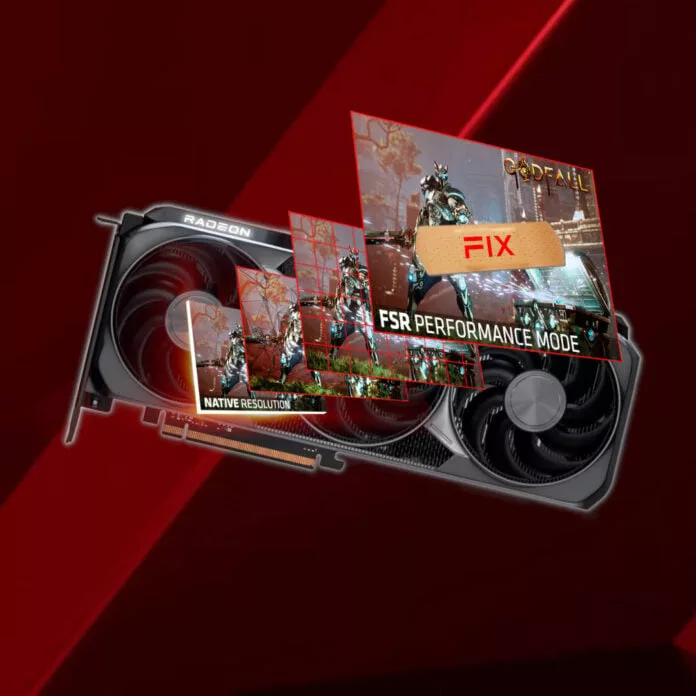
AMD has seemingly addressed the frame pacing issues that have plagued FSR Frame Generation since its introduction. Included in the Radeon Adrenalin v26.10.1 driver update, the fix is automatically applied to compatible titles, though its effectiveness is not universal across all games.
The Pacing Problem: Jitter and Stutter
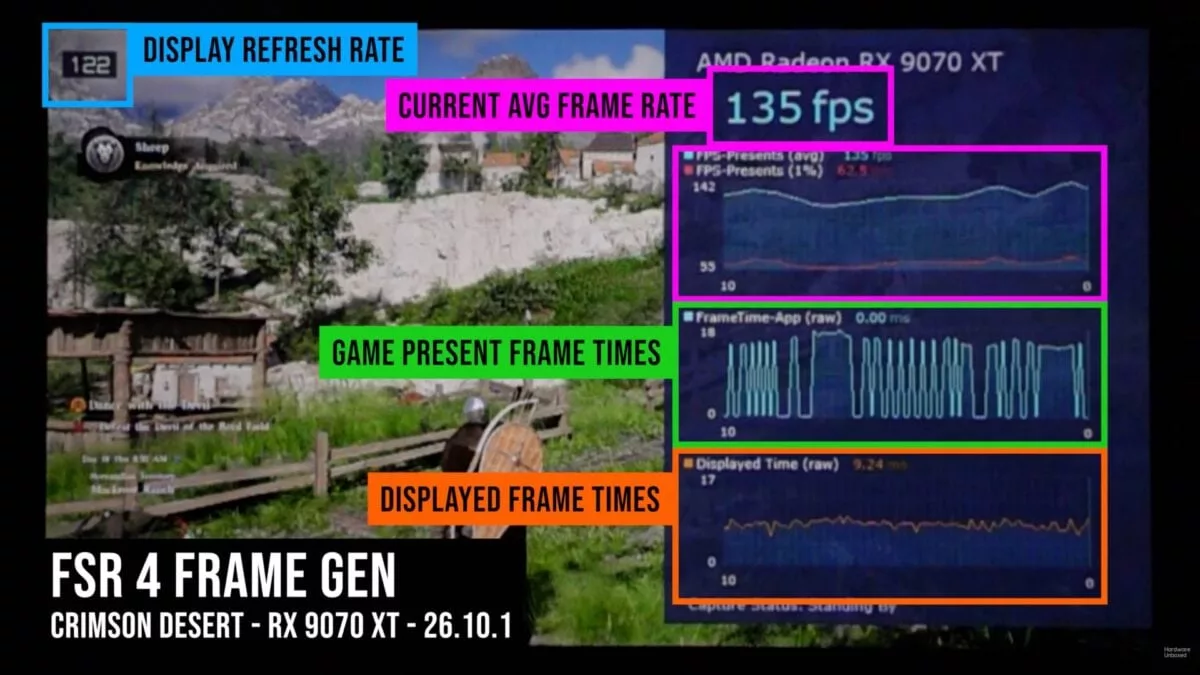
Since its 2023 launch, FSR Frame Generation has struggled to match the smoothness of Nvidia's implementation. Investigations by Digital Foundry and Hardware Unboxed highlighted significant frame pacing issues. Even when the GPU rendered frames at steady intervals, the delivery to the display was inconsistent, resulting in visible jitter and stuttering, particularly during camera movements. This inconsistency was largely attributed to the lack of flip metering, a mechanism used by DLSS to ensure precise frame delivery.
With the release of the latest drivers, AMD claims to have optimized the technology, specifically targeting the Radeon RX 9000 series GPUs to improve consistency.
Testing Results: Successes and Failures
Testing conducted on a Radeon RX 9070 XT reveals that the fix is highly dependent on how the game implements the technology. Smooth, jitter-free performance was observed in:
- Crimson Desert;
- Resident Evil Requiem;
- The Witcher 3 Remastered;
- Alan Wake 2;
- Lego Batman LOTDK;
- Assassin’s Creed Black Flag Resynced (improved, but not flawless).
However, titles such as God of War Ragnarok, Hogwarts Legacy, and Borderlands 4 still exhibit erratic frame pacing. The common denominator appears to be the version of the technology: the fix works for games with native FSR 4 Frame Generation support, while those relying on FSR 3.1.5 or older versions remain problematic.
Implementation Nuances and Workarounds
A potential workaround exists for games that use separate FSR DLL files: manually upgrading FSR 3.x.x files to FSR 4 versions can resolve pacing issues. Despite this, some outliers remain. In Cyberpunk 2077, the game appears to duplicate rendered frames instead of injecting generated ones, making FSR 3 Frame Generation actually smoother than the FSR 4 implementation in this specific case.
While AMD still has work to do to reach parity with its competitors, this update represents a significant step toward stabilizing a tool that is essential for maximizing the potential of high-refresh-rate monitors.
Гика
