AI Server Price Surges: Manufacturers Demand Up to 45% More After Contracts
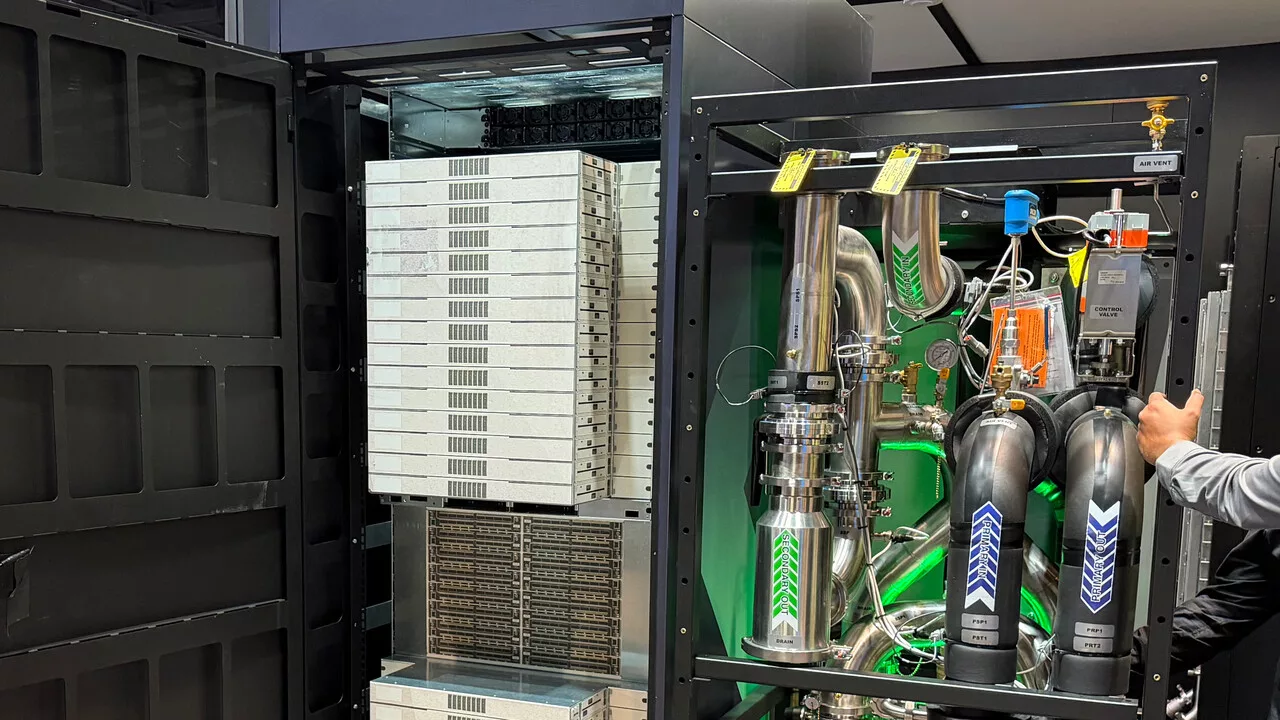
The rush to build AI infrastructure is hitting a massive financial roadblock. Companies ordering AI servers are discovering that the price agreed upon in a contract may not be the final bill. According to reports, major hardware vendors are demanding substantial surcharges—sometimes as high as 45%—months after contracts are signed, citing the unprecedented volatility in component costs.
The landscape of AI hardware procurement is becoming increasingly unpredictable. According to the Financial Times, industry sources report that major manufacturers, including Dell, HPE, Lenovo, and Supermicro, are passing significant cost increases directly to their customers well after deals have been finalized. These surcharges, which reportedly range from 25% to 45%, are primarily driven by the explosive rise in memory prices. For data center operators, this creates a massive planning headache, as server orders are often placed months before actual delivery, yet the final price remains subject to sudden, heavy adjustments.
Memory Costs as the Primary Driver
The root of the issue lies in the supply chain. Citing an analysis from JPMorgan, reports indicate that memory prices have surged by more than 400% since the beginning of 2024. This volatility has a cascading effect on different server architectures. For GPU-based servers, prices have reportedly increased by at least 20% to 30%. However, the impact is even more severe for CPU nodes; since memory constitutes a significant portion of their total cost, some units are reportedly costing up to three times more than previously estimated.
This price volatility is hitting even the most well-funded players. High-frequency trading firms such as Jane Street, Optiver, and Hudson River Trading—which require massive computational power from specialized AMD or Nvidia GPUs to run their trading strategies—are reportedly absorbing these costs. Industry insiders suggest these firms are accepting the surcharges because the demand for raw processing power remains critical to their operations, effectively making the extra cost a necessity rather than a choice.
Legal Battles and Contractual Uncertainty
The tension between vendors and buyers has already escalated into the courtroom. A notable case involves a legal dispute between Dell and the British trading firm XTX Markets. According to court documents filed in an Irish court, the two parties had originally agreed on a fixed price of $549 million for a server shipment. XTX reportedly paid an additional $5 million specifically to secure price stability. However, Dell later claimed that rising component costs made the original price untenable and demanded an additional $62 million to $70 million to complete the delivery.
While Dell maintains that they cannot personally absorb the massive spikes in memory costs, XTX has expressed shock at the breach of the agreed terms. The legal battle highlights a growing ambiguity in the industry: while some customers may be signing contracts with 'target prices' that allow for significant upward adjustments, it remains unclear how many other agreements contain such clauses. While HPE and Supermicro declined to comment, and Dell and Lenovo did not respond to inquiries, the ongoing litigation between XTX and Dell serves as a bellwether for the shifting dynamics of the AI hardware market.