

AI Marketing Failure: Microsoft Abandons the Copilot+ PC Brand
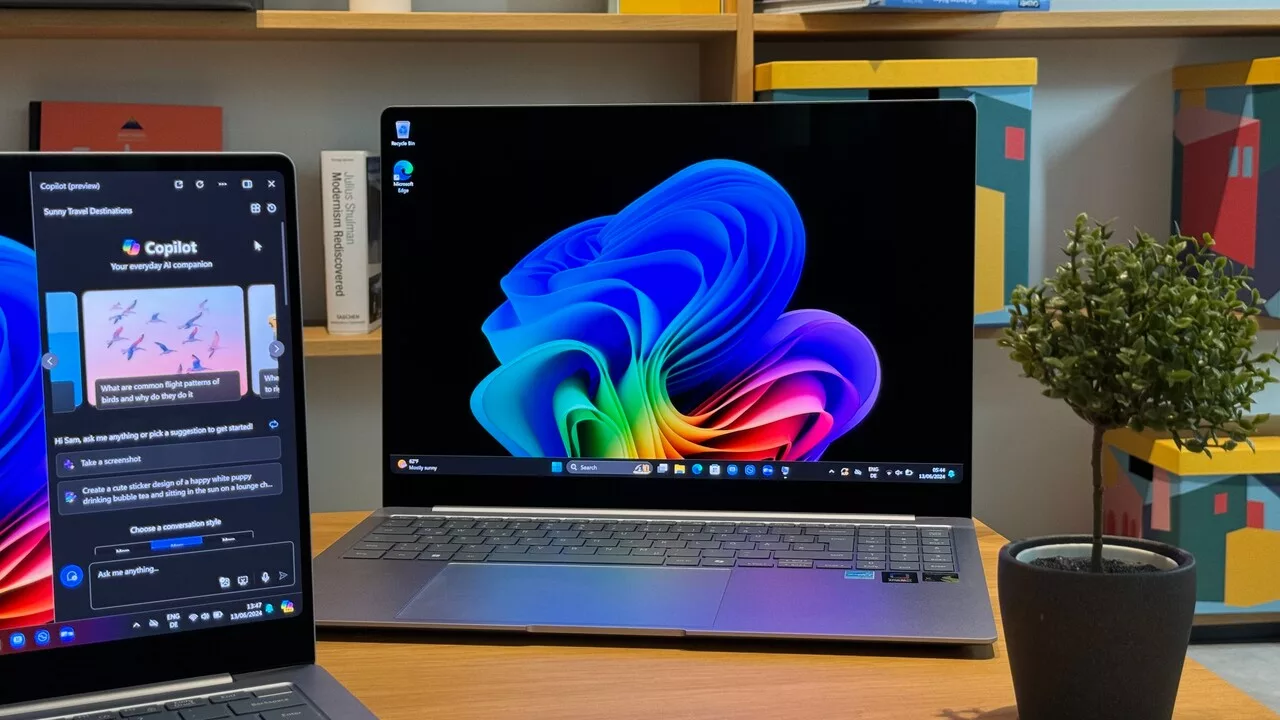
In 2024, Microsoft, alongside Qualcomm and the Snapdragon platform, aimed to establish a new generation of AI-driven computers through the Copilot+ PC concept. The goal was to spark a new market segment centered on local AI processing. However, instead of generating hype, the initiative struggled to gain traction. According to Windows Central, Microsoft is now moving to phase out the Copilot+ PC label entirely.
A Marketing Dead End
Notably, even the latest Surface models featuring the Snapdragon X2, unveiled at the Snapdragon Summit, will no longer carry the Copilot+ PC designation. Brett Ostrum, Corporate Vice President for Surface, stated that while these devices meet all the technical requirements previously set for Copilot+ devices, the company will no longer use the specific label. The focus remains on AI and local processing capabilities, but the branding is being dropped.
Kedar Kondap, Senior Vice President at Qualcomm, echoed this sentiment. He explained that the Copilot+ PC definition was tied to having an NPU with 45 TOPS—a threshold necessary for specific AI experiences. While the hardware capability remains, the marketing terminology is being retired.
Why the Concept Failed to Launch
The failure of the Copilot+ PC concept appears to be rooted in a disconnect between marketing promises and user needs. Rather than driving excitement, many AI features were met with skepticism. Functions like Recall faced intense criticism from the start, while other AI integrations were often perceived by users as unnecessary bloat rather than meaningful tools.
Hardware specifications alone were not enough to drive sales. As Kevin Terwilliger, Product Manager at Dell, noted during CES 2026, the presence of an NPU did not necessarily translate to consumer interest. He suggested that AI often confuses users rather than helping them achieve specific outcomes. This sentiment is reflected elsewhere in the industry; for instance, Nvidia has opted not to use the Copilot+ label for its Spark models, despite them meeting the technical requirements.
Standards Without the Label
It is important to distinguish between marketing and technical reality. While the brand is disappearing, the hardware requirements are becoming the industry standard. For instance, all Intel Panther Lake models feature an NPU with at least 46 TOPS. This means that, technically, most modern systems are effectively Copilot+ PCs, even if they don't carry the name.
For Microsoft, the experience has been a setback for its OS reputation. The push for AI features within Windows 11 contributed to the ongoing criticism of the operating system. This has led to a strategic course correction, with the company now working on a major overhaul of Windows, where AI features are expected to play a much more integrated and less
Дурик
