
RAM Shortage Until 2030: Acer CEO Calls It 'Impossible'
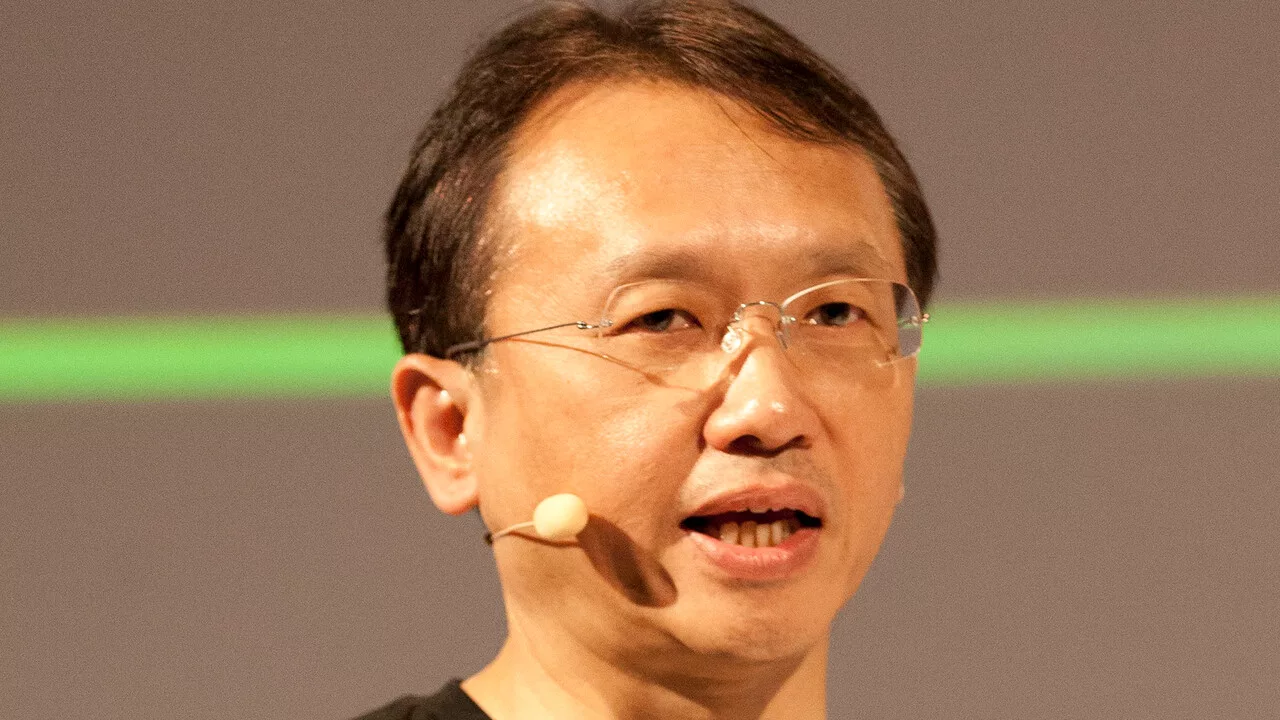
While the semiconductor industry continues to warn of a prolonged memory shortage, Acer leadership is offering a much more optimistic outlook. CEO Jason Chen has dismissed the idea that supply constraints will persist until 2030, calling such a scenario "impossible." According to Chen, the market is stabilizing as production capacities expand, particularly through Chinese manufacturers.
Supply vs. Scarcity: The Memory Market Shift
As reported by Economic Daily News, the availability of DDR4 and DDR5 has significantly improved, with both types now available in large quantities. Jason Chen also noted that the processor market is seeing relief; while some entry-level and mid-range models may still face availability issues, there is no widespread shortage of CPUs.
Data from DigiTimes supports this shift in market dynamics. In the SSD market, supply is beginning to outpace demand, as more vendors enter the space while consumer interest stabilizes. However, a specific bottleneck remains: high-speed DDR5 modules continue to see tight supply, making them a notable exception to the general trend of increased availability.
The Cost of Recovery: Why PC Prices Will Rise in 2026
Increased supply does not immediately translate to lower prices for the end user. Jason Chen emphasized that RAM and SSD prices are expected to remain at elevated levels for some time. This is largely due to the lag effect of higher component procurement costs from previous months hitting the final assembly stage.
Consequently, Acer anticipates a price hike for PCs in the fourth quarter of 2026. On average, computer systems could see price increases ranging from 5% to 20%. The impact will be most significant for high-spec models featuring large amounts of memory and high-capacity SSD storage.
The company expects the peak of this pricing trend to occur in mid-2027. Prices are projected to remain high throughout the first half of 2027, with a potential downward trend only becoming likely in the second half of that year.
Industry Divergence: A Divided Outlook
The optimism expressed by Acer stands in contrast to more cautious industry forecasts. For instance, SK Hynix has previously identified 2027 as a potentially difficult year for capacity availability. Furthermore, Reuters reports that smaller smartphone and PC manufacturers are bracing for a prolonged period of supply volatility. This divergence highlights the ongoing uncertainty regarding when the memory market will finally reach a price equilibrium.
Цифра
