VW shifts strategy: Google Maps to replace proprietary navigation in combustion models
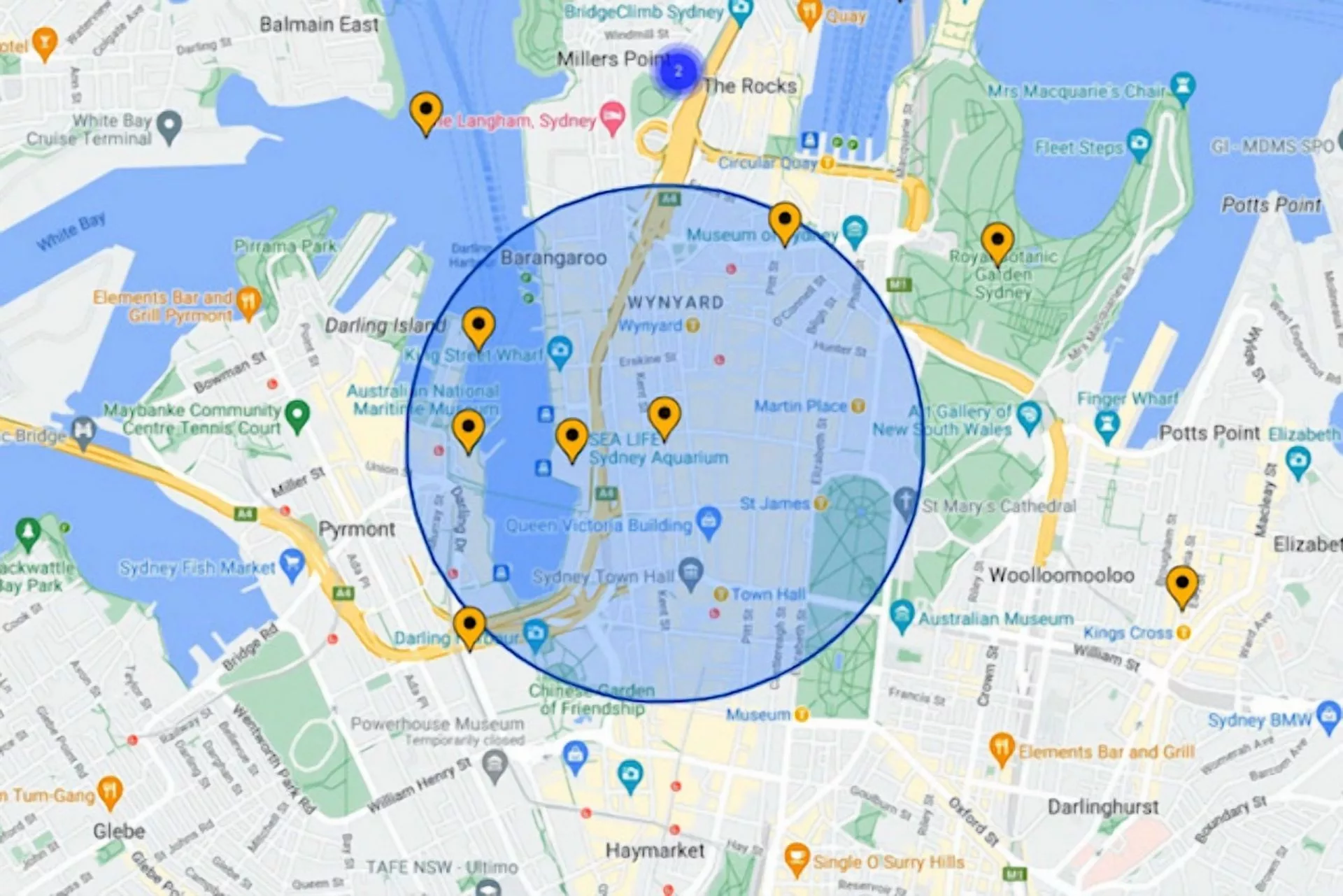
Volkswagen is planning a fundamental shift in its software strategy for internal combustion engine (ICE) vehicles. According to a report from Handelsblatt, the automaker intends to replace the proprietary navigation software developed by its software subsidiary, Cariad, with Google Maps in numerous future combustion models. This transition is expected to begin in autumn 2027, marking a significant departure from the group's previous goal of maintaining fully independent software ecosystems across its brands.
The rollout is expected to start with new generations of the VW Golf. Beyond the Golf, the integration of Google Automotive Services is planned for several other models, including the Tiguan, T-Roc, Passat, and Tayron. This software suite goes beyond simple navigation; it includes the Google Play Store and YouTube, integrated directly into the infotainment system. Unlike Android Auto, which relies on a connected smartphone, these services will function natively within the vehicle's hardware, allowing for full functionality even without a mobile device present.
A shift in software philosophy
This move represents a pivot in Volkswagen's long-term software roadmap. Under former CEO Herbert Diess, the strategy focused on Cariad developing a largely autonomous software platform, including navigation, for all group brands. However, the current approach shows a growing reliance on external technology partners. While Cariad will remain responsible for the underlying infotainment platform and the integration of Google services, the reliance on Google's ecosystem for core navigation marks a clear change in direction.
Hardware requirements and existing models
For current owners, this transition offers little immediate benefit. The shift to Google Automotive Services is expected to require specific hardware, meaning it cannot be retroactively enabled via a software update for existing vehicles. Owners of older VW models will need to continue using the current proprietary navigation solutions. In contrast, the transition is already well underway for the group's electric vehicle (EV) lineup. With the ID.Software 6 generation, Google services are already being integrated into models such as the ID.3 Neo, ID.7, Skoda Elroq, Enyaq, and others.
Interestingly, the strategy is not uniform across all brands. While the shift toward Google is accelerating in many segments, Cupra is currently opting for a different path. For instance, the electric Raval will continue to use the group's proprietary navigation for now, with Google Maps only available via a connected smartphone rather than through direct system integration.