
Vibecoding: How AI is Bringing Game Classics to the Browser
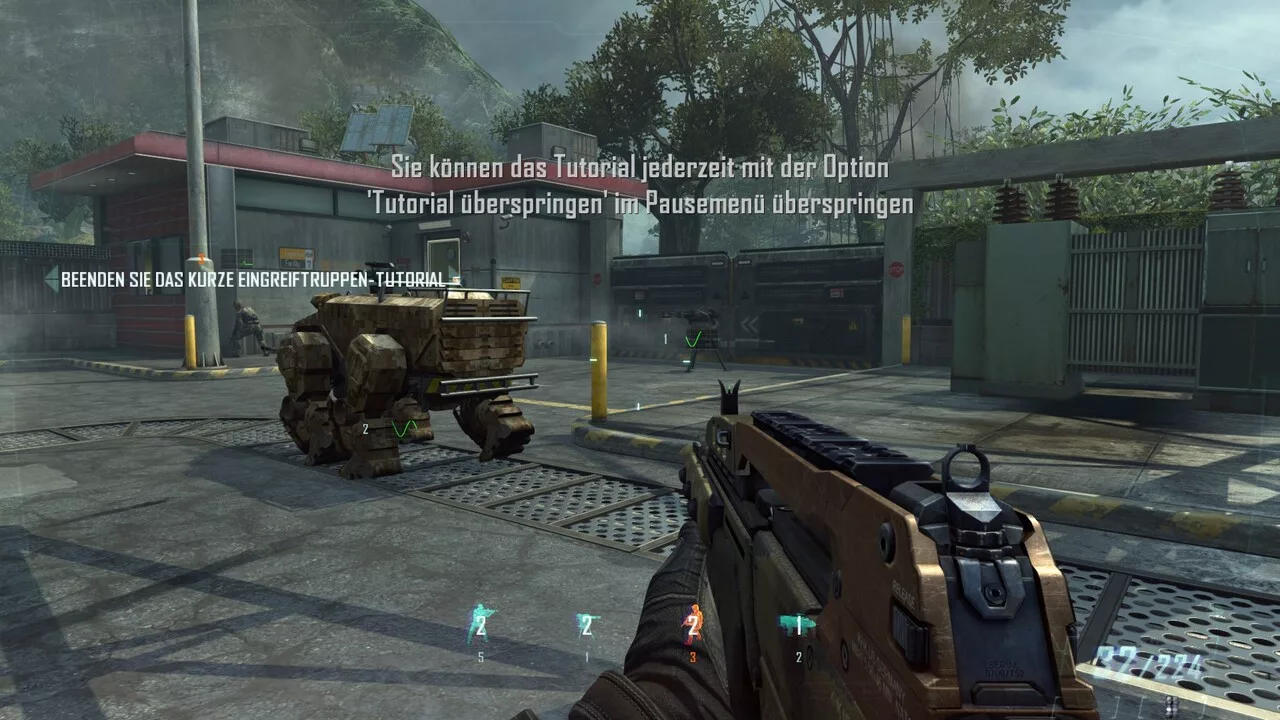
A phenomenon known as Vibecoding is beginning to reshape how we preserve gaming history. Through the assistance of artificial intelligence, classic titles are gaining a second life via browser ports and enhanced mods, significantly lowering the technical barrier for code manipulation.
Decompilation and Browser Ports
Historically, porting classic games to web browsers required the arduous process of decompilation—translating machine code back into readable, modifiable source code. According to a report by Kotaku, the Claude Opus 5.5 model can perform this task in record time. This capability is being leveraged to create browser-based versions of titles such as Half-Life, Counter-Strike 1.6, Quake, and multiplayer components of Halo, Call of Duty: Modern Warfare 2, and Black Ops 2. Some of these ports are reportedly functioning "perfectly," per Kotaku.
However, a significant legal hurdle remains: since these porting efforts often lack the necessary licensing, they constitute copyright infringements. From a technical standpoint, however, this trend offers a potential path for publishers to make legacy titles accessible on any device with a browser, especially for games with minimal hardware requirements.
AI-Assisted Modding and Remasters
Beyond simple ports, AI is increasingly used in the modding scene. Currently, the internet is seeing various "mashup" projects—attempts to merge unrelated games, such as integrating World of Warcraft into Call of Duty. Most of these are currently non-functional visual experiments designed to generate hype, as they lack coherent gameplay logic and infringe on asset copyrights.
Despite these limitations, the practical potential of AI as a development tool is becoming evident in more structured projects. Examples include the Combat Stances Remastered mod for The Witcher 3 and Zero Hour Reforged, which aims to modernize the visuals of the 2003 RTS classic Command & Conquer Generals. In these instances, AI serves as a productivity booster, handling repetitive tasks and allowing small teams or individuals to execute more complex creative visions.
Гика
