

Valve chose performance over lower prices for Steam Frame
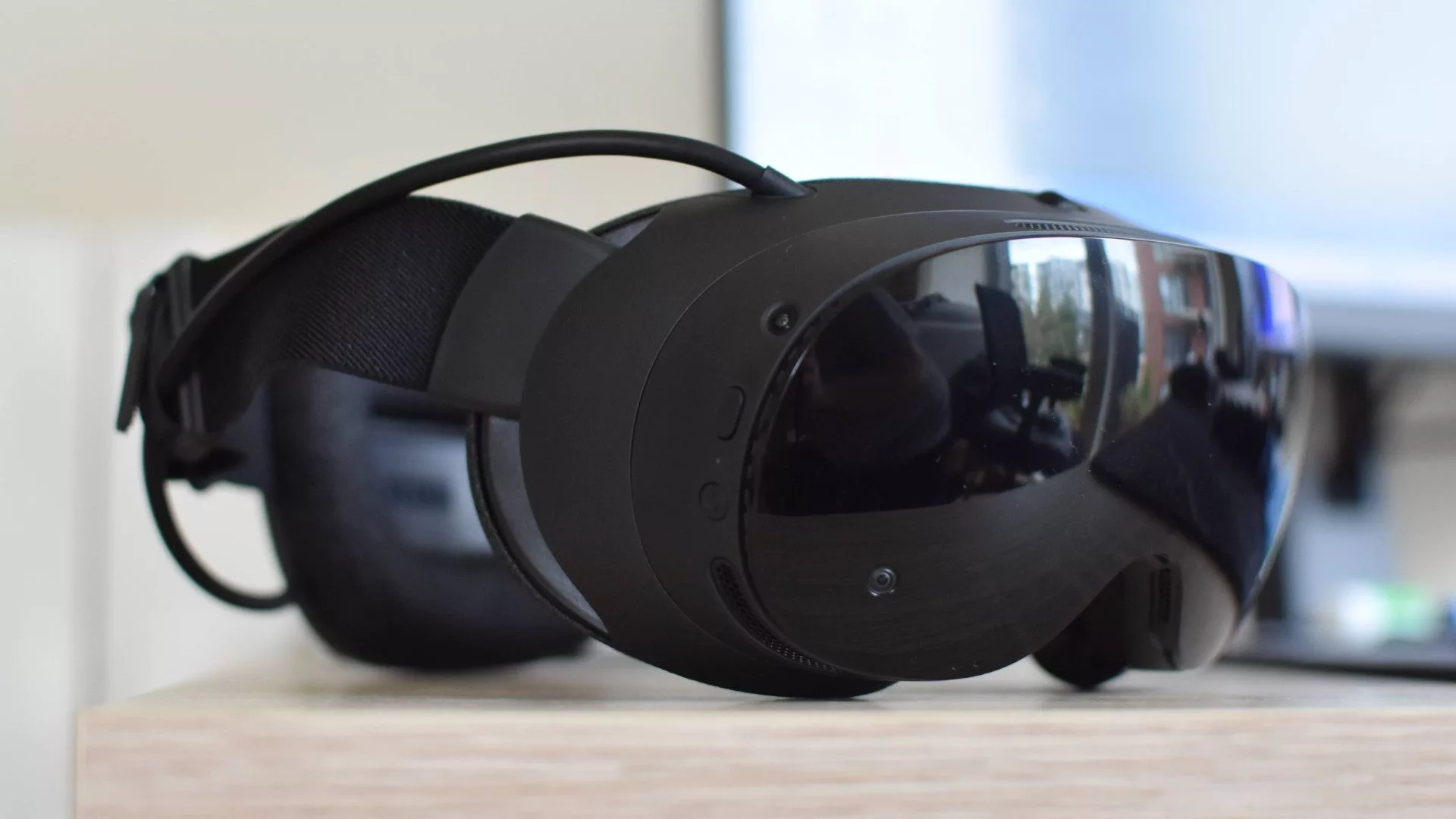
Valve has decided not to compromise on the technical specifications of its upcoming Steam Frame VR headset. Despite the ongoing global shortage of memory and rising hardware costs, the company opted to maintain its performance targets, even if it meant a higher retail price.
In an interview with RPS, engineer Josh Hudman revealed that the decision to avoid downgrading the hardware was driven by two main factors: the advanced stage of development and a commitment to the intended user experience. As the global component crisis—specifically regarding RAM and storage—began to impact the industry, the team felt that altering the hardware would undermine the product's core purpose.
"Adjusting those didn't really fit what we were trying to deliver," Hudman stated. He explained that because much of the collaborative work with partners was already finalized, changing the specs late in the cycle would have been the wrong move for the product's integrity.
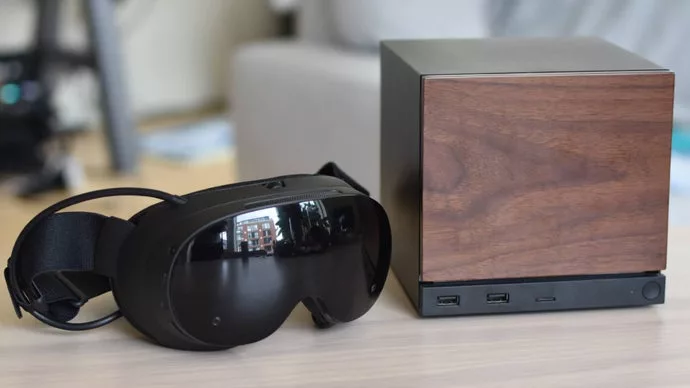
Unlike the previous Steam Machine, the Steam Frame utilizes a Snapdragon system-on-a-chip (SoC), integrating the CPU, GPU, and RAM into a single unit, similar to high-end smartphones. While its graphical capabilities are lower than those of the Steam Deck, the hardware is designed to run visually demanding titles like Half-Life: Alyx smoothly in standalone mode. Reducing the memory capacity to save costs could have significantly impacted this performance, potentially leaving the device unable to compete with the Meta Quest 3.
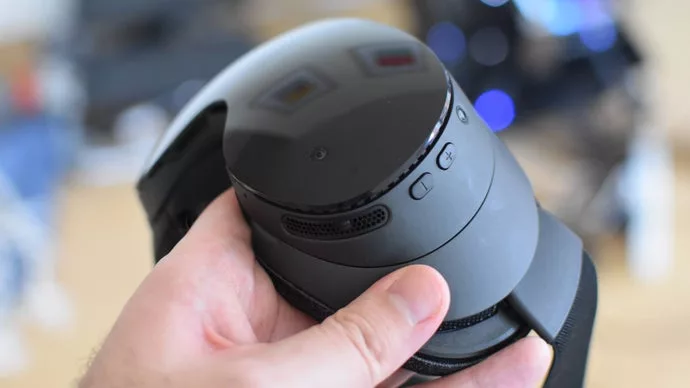
SteamOS developer Pierre-Loup Griffais emphasized that Valve prioritizes functionality and the quality of the experience over being the cheapest option on the market. He noted that products like the Steam Controller and Steam Machine have already demonstrated how Valve hardware can unlock new ways to interact with the Steam library, and they expect the Steam Frame to do the same.
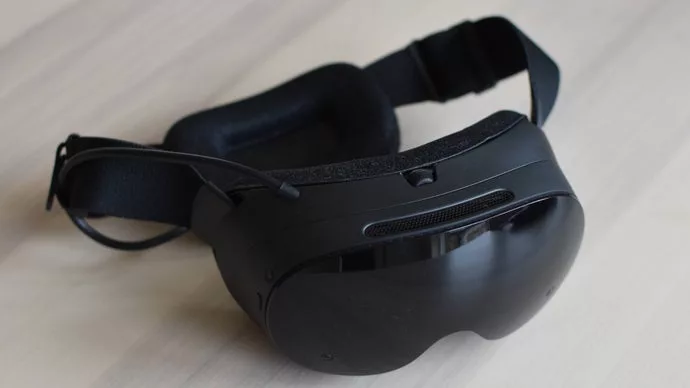
However, the outlook remains cautious. Valve insiders suggest that the challenges posed by RAM shortages and high component costs may persist for some time before the market stabilizes.
Флешка
