

Data Center Expansion Hits Wall: US Local Referendums Show Strong Resistance
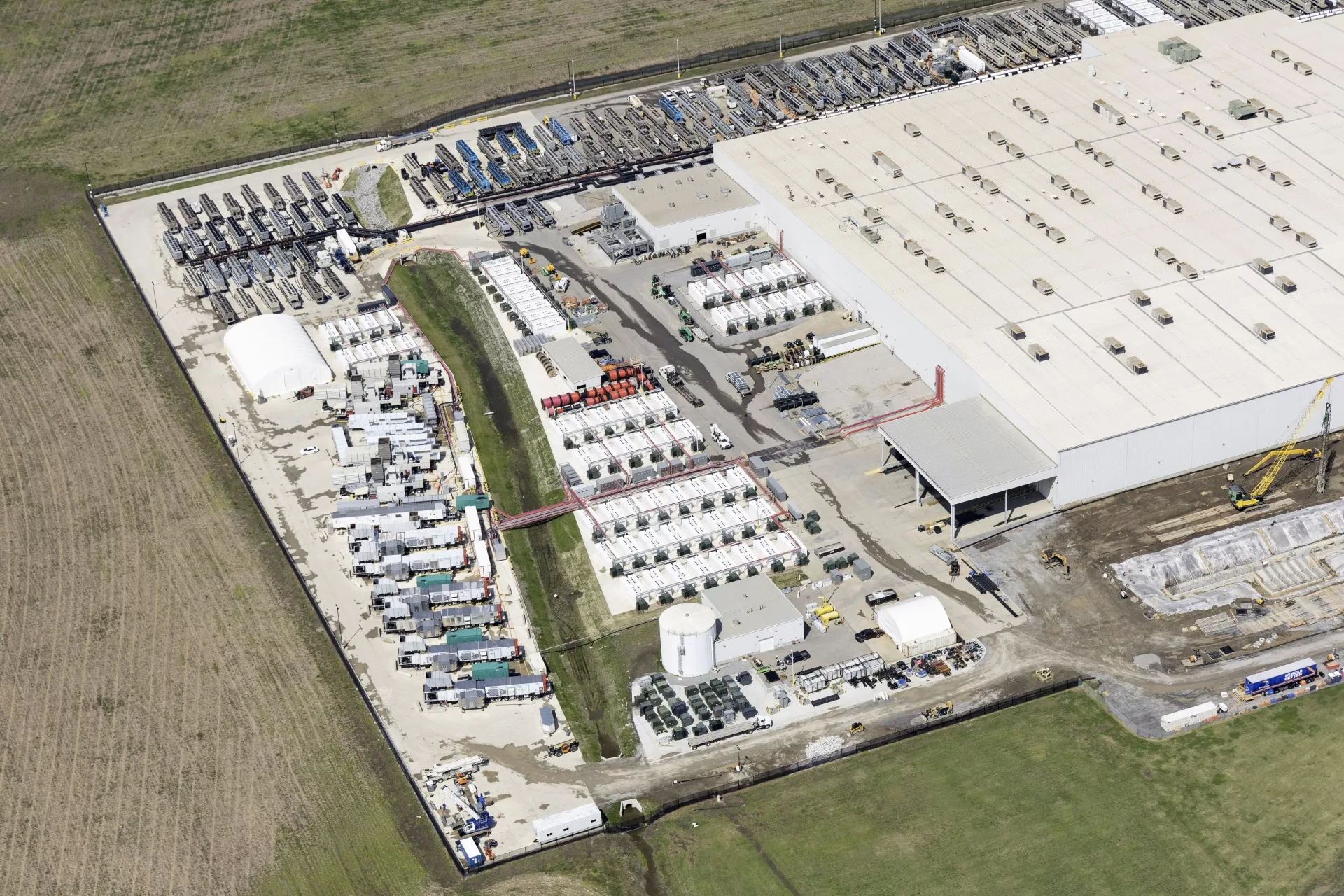
The massive expansion of data centers designed to fuel the artificial intelligence boom is facing significant headwinds in the United States. During the recent midterm elections, voters in numerous municipalities were called upon to decide not only political leadership but also the fate of local infrastructure projects. Preliminary results indicate a clear trend of rejection for many planned large-scale developments, as communities push back against the rapid encroachment of high-density computing facilities.
According to data from Ballotpedia, a platform specializing in election results, a total of 41 municipal ballot measures across ten states were up for decision on election day. The majority of these proposals—28 in total—aimed to impose additional restrictions on data center developments. The remaining 13 measures were designed to facilitate construction or provide political support for existing projects. These legislative attempts ranged from total construction bans and temporary moratoriums to amendments in zoning laws and requirements for direct public consent.
The Ohio Battleground
Ohio has emerged as a primary focal point for this conflict. The state has transformed into a critical hub for cloud infrastructure and AI-focused data centers, attracting billions of dollars in investment from tech giants such as Meta, Amazon, and Google. However, this industrial growth has triggered significant local backlash. Voters in Ohio faced 21 different ballot measures related to data centers, with many choosing to implement construction bans, stricter permitting processes, or expanded community oversight. The core concerns cited by residents include the massive electricity demands of these facilities, the potential for rising energy costs for locals, and the conversion of agricultural land into industrial zones.
A Growing National Trend
The resistance is not isolated to Ohio. Similar patterns have been observed in other states through both recent elections and prior municipal decisions. For instance, in Monterey Park, California, a construction ban was approved in June with over 88% support. Similarly, in Canterbury, New Hampshire, approximately 84% of voters rejected the settlement of such facilities back in March.
This tension has successfully moved from local town halls to the broader political arena. During election campaigns, data center expansion has become a recurring theme, with candidates from various political backgrounds addressing the issue. Voters' concerns regarding rising utility bills and the perceived lack of public participation in the approval process have bridged traditional partisan divides, as opposition to these projects has been seen in both Republican and Democratic-leaning communities.
Гика
