
Small Stakes, Big Lessons: Why Saber Interactive Isn't Afraid of the AI Backlash
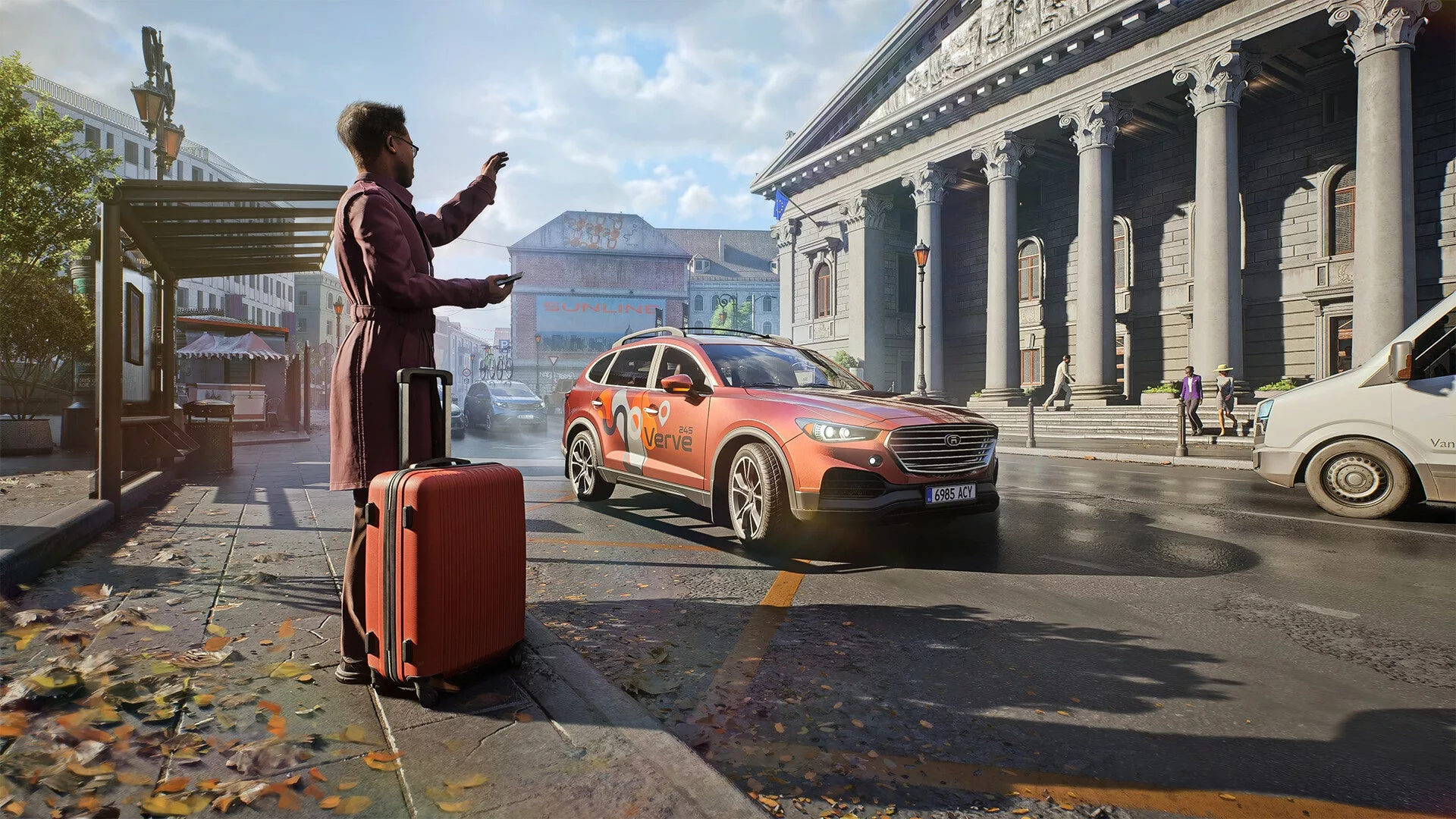
A few weeks ago, when I spoke with Tim Willits, Chief Creative Officer at Saber Interactive, the company was weathering a storm. The announcement of Rideshare had drawn significant scrutiny after a former writer revealed the game's use of generative AI—a detail that had been undisclosed on its Steam page. The situation was further complicated by a controversial response from CEO Matt Karch toward the critic, for which he has since apologized. Now, the conversation has shifted from the controversy itself to whether such technology is damaging the studio's reputation.
Testing the Waters in Free Ride
It is important to clarify that the AI implementation in Rideshare does not extend to the core narrative. According to Willits, the main story, missions, and all scripted text are written by humans. The generative AI is reserved specifically for the Free Ride mode. The goal is to use a Large Language Model (LLM) to power passenger dialogue, allowing NPCs to discuss current events—such as a recent soccer match—based on real-world data fed into the game. This creates a sense of a living, reactive world.
For Saber Interactive, this is a way to "test the waters." Willits emphasizes that Rideshare is the only project where they are currently implementing this technology. Major franchises like Space Marine 2, Hellraiser, or Jurassic Park do not feature generative AI. The studio has strategically chosen a smaller simulator to experiment with these tools without risking their high-profile AAA titles.
The Transparency Gap
A major point of contention was why Saber Interactive did not disclose the use of AI upon the game's initial reveal, as per Valve's policies. Willits attributed this to a communication plan that "went sideways" due to unauthorized leaks. While acknowledging that the disclosure should have been present from the start, the company maintains that the move hasn't caused lasting reputational damage.
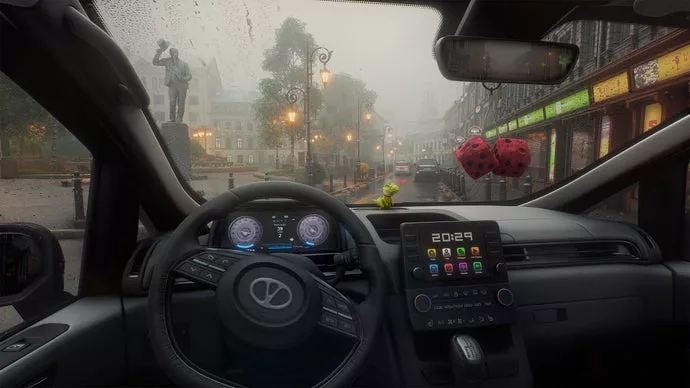
However, there is a risk that players might start looking for signs of AI in other Saber projects. For instance, in the gameplay mechanics of Road Kings, where characters can send messages asking for help. Although these are scripted quests, the Rideshare controversy might lead players to wonder: "Is this generative AI that Saber Interactive hasn't disclosed yet?". Willits suggests that people might be overthinking it, noting that wishlists and pre-orders across their games are actually increasing.
Technological Shifts and Historical Parallels
Willits draws parallels to his time at id, recalling how the announcement of Quake 3 requiring a video card sparked massive internet backlash. Yet, the game was released and well-received. He believes the industry is currently in a period of technological uncertainty where neither developers nor players fully grasp the direction of progress. He posits that eventually, a game will emerge that makes the benefits of AI so obvious that everyone will understand its value.
Saber Interactive's strategy is to use smaller, budget-consistent games as testing grounds. If the technology fails, it won't damage their mega-hits. As the author notes, creating dynamic dialogue that reacts to the real world would be logistically difficult or prohibitively expensive without LLMs, making it a logical step for the simulator genre.
Дурик
