You are still taking 100% of the risk: Why The Game Bakers backs self-publishing
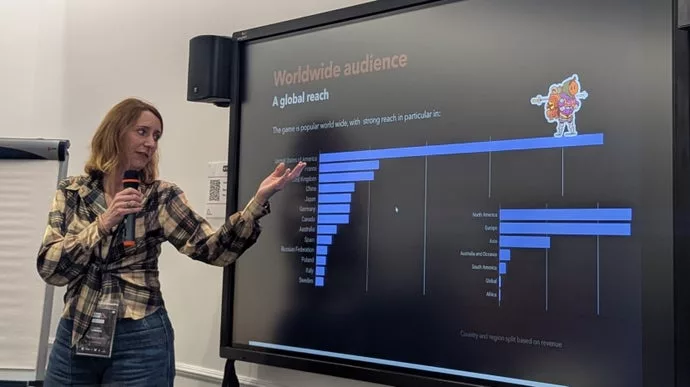
Self-publishing has evolved from a niche choice into a viable market route for indie developers, with many now seeking publishers only for specific needs like marketing. However, Audrey Leprince, co-founder of The Game Bakers, argues that for most, self-publishing is the only way to achieve true sustainability. Speaking at Paris Game Biz, Leprince outlined why building your own community and retaining revenue is more critical for a studio's survival than the immediate safety net of a traditional publishing deal.
The Game Bakers, the Montpellier-based studio behind hits like Furi, Haven, and Cairn, has navigated the complexities of the indie market by prioritizing independence. Leprince, who also co-founded Wings—a fund supporting studios with women or gender-marginalized leaders—emphasized that the core of a successful indie studio lies in its ability to own its relationship with players and its financial future.
The Power of Direct Community Connection
One of the primary advantages of self-publishing is the direct link to the player base. Leprince noted that players discover games through communities, friends, and influencers. When a developer hands their game over to a publisher, they are essentially handing over that connection. The publisher reaches audiences through their own social media, their own brand, and their own community managers. Consequently, if a developer moves to a different publisher for their next project, they lose access to the community built during the first one.

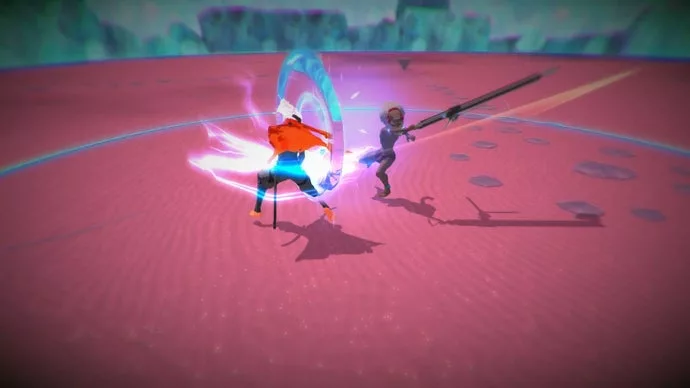
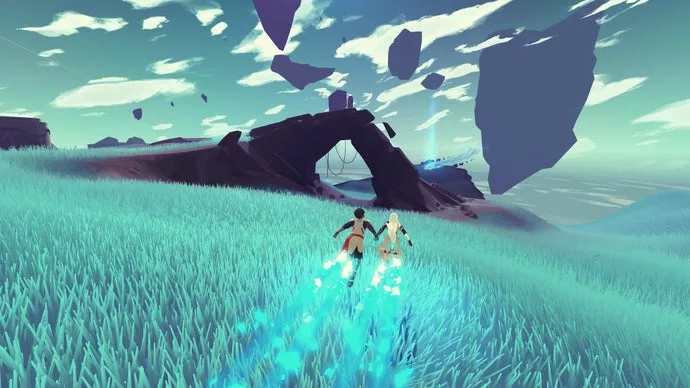
This cumulative connection becomes a massive asset over time. Leprince pointed out that with Furi reaching 3.8 million players and Haven reaching two million, The Game Bakers now has a built-in audience of several million people to talk to every time they launch a new title. In an era where manual curation on platforms like Steam is declining and developers have less influence over store placement, the community has become the number one marketing tool.
The Financial Cycle of Dependency
Beyond community, the financial implications of publishing deals can dictate a studio's creative trajectory. Leprince warned that deals requiring a studio to give up 50% or 70% of revenue might fund a first game, but often leave just enough to produce a second, similar project. This can trap developers in a cycle of reliance, where they lack the capital to take the risks necessary for more ambitious or experimental work.
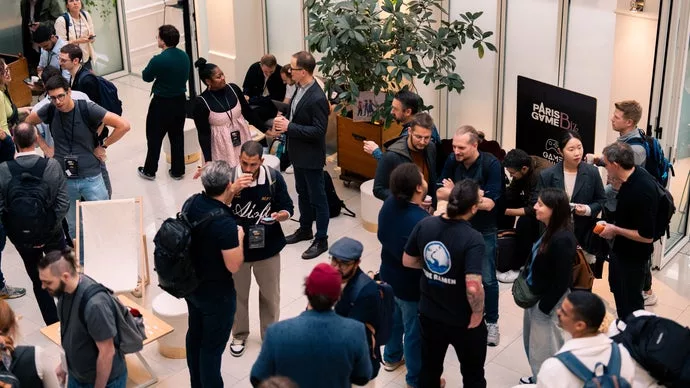
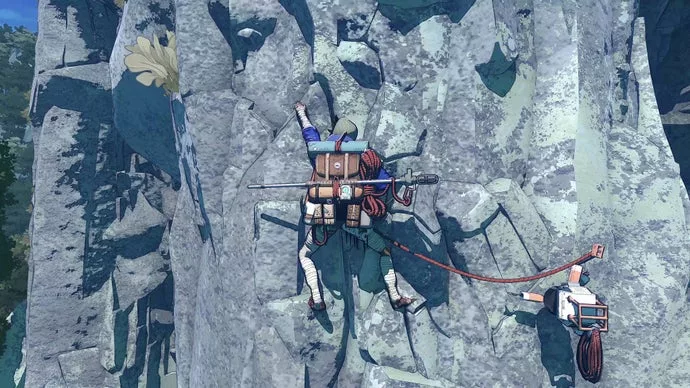
This financial pressure often leads to a loss of creative autonomy. "Unless you know how to find the right publisher to support the risk for your projects, you might reach a stage of your studio life where you want to make a game that no one wants to buy—that's going to be a problem," Leprince explained. She noted that developers often end up making what the market demands rather than what they envisioned. She cited Cairn as an example; while some dismissed the idea of a game focused solely on climbing, the studio's independence allowed them to realize that specific vision without external pressure to add traditional elements like boss fights.
Marketing: You Are the First Marketer
A common deterrent to self-publishing is the perceived workload of marketing. Leprince's stance is that marketing isn't an extra task—it is an integral part of the development process. "If you don't know what's marketable, don't make a game," she stated, emphasizing that decisions regarding art direction, writing, and gameplay are all fundamental marketing choices that define the target audience from day one.
While The Game Bakers now employs a full-time marketing manager and a community manager, Leprince stressed that marketing must be a constant, 'always-on' effort. It doesn't end at launch; it continues through patches, DLC, console ports, and even deep discounts on Steam, which can provide massive revenue years after a game's initial release. The key, she suggested, is to find cost-effective ways to create content, such as reusing assets or targeting 'micro-influencers' who influence larger creators.
Strategic Partnerships and the Reality of Risk
Despite her advocacy for self-publishing, Leprince is not against partners. She highlighted how PlayStation acted as a vital partner for Furi and provided significant marketing visibility for Cairn through a co-publishing deal. She noted that platform holders like PlayStation and Xbox provide massive awareness through showcases that reach tens of millions, which can carry an IP much further than an indie studio could alone.
However, she offered a sobering reminder: even with a publisher, the developer still carries the ultimate weight. "I would say that anyway, you are still taking 100% of the risk, even if you have a publisher, because if everything fails, it's going to be on you," she concluded.