

The Blood of Dawnwalker Review: A Vampire RPG Rivaling Top Titles

The Blood of Dawnwalker is a vampire action-RPG developed by Rebel Wolves and published by Bandai Namco Entertainment, released on September 3, 2026, for Windows. The game features a distinct day-night cycle that fundamentally alters combat mechanics, narrative progression, and character abilities, positioning it as a standalone title with strong thematic and mechanical parallels to the Witcher series.
Core Mechanics and Combat Design
The gameplay loop of The Blood of Dawnwalker is structured around a strict temporal system. The world operates on a day and night cycle, with each period divided into six segments of time. These segments deplete as the player completes quests or engages in specific activities. Certain objectives are exclusively available during daylight or nighttime, forcing the player to manage their schedule strategically. This time-limiting mechanic distinguishes the title from many open-world RPGs, adding a layer of logistical planning to the narrative exploration.
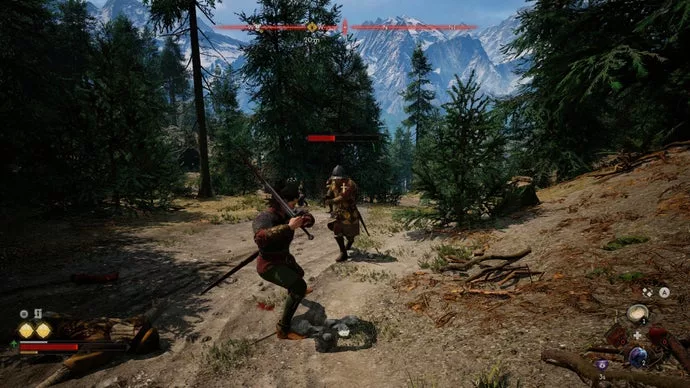
Combat mechanics shift dramatically depending on the time of day. During the day, the protagonist, Coen, fights in human form. This mode emphasizes a rigid, upright fighting style centered around a single sword. The player must rely on directional parries to evade damage and create openings, as well as dodges to avoid attacks. The reviewer notes that this human-form combat can feel less fluid than the vampire mode, particularly for players who struggle with timed parrying mechanics. However, the system is designed to be accessible, with options to mitigate difficulty through character progression.
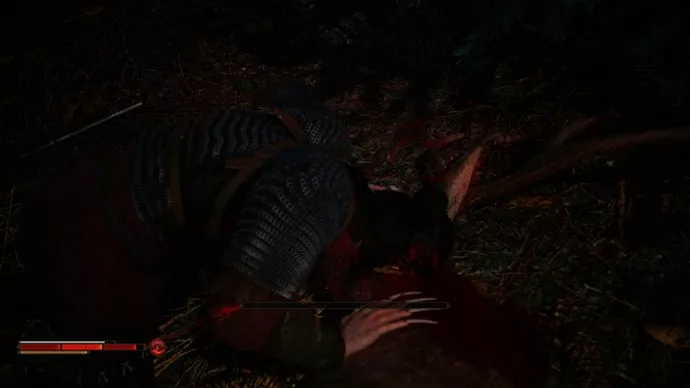
At night, Coen transforms into a vampire, unlocking a supernatural combat style. This mode features rapid movement, claw strikes, and the ability to zip around or climb structures as clouds of mist. The vampire form offers a more aggressive, high-mobility experience, allowing the player to overwhelm enemies with blood-fueled power. The transition between these two states creates a dynamic contrast in gameplay, requiring the player to adapt their strategy based on the current time of day.
Magical abilities, referred to as witchcraft, provide additional tactical options. These abilities often come with a cost, such as sacrificing health, but offer significant advantages in combat. For example, the Burning Blood ability allows the player to passively drain an enemy's health over time, which is useful for thinning out groups of foes. The vampire form also includes a unique mechanic where health regenerates automatically, while larger boosts are gained by feeding on humans or animals. This feeding mechanic adds a moral and tactical layer to combat, as the player must balance the need for power with the potential consequences of draining NPCs.
Narrative Structure and Character Development
The narrative of The Blood of Dawnwalker is driven by the protagonist's quest to save his family from Brencis, the newly minted vampire ruler of the realm Vale Sangora. Coen is initially portrayed as a 14th-century peasant, but the game delves into his psychological makeup and past, revealing a character with significant depth. The story avoids a simple good-versus-evil dichotomy, instead presenting a world where characters are motivated by self-interest and complex personal histories.

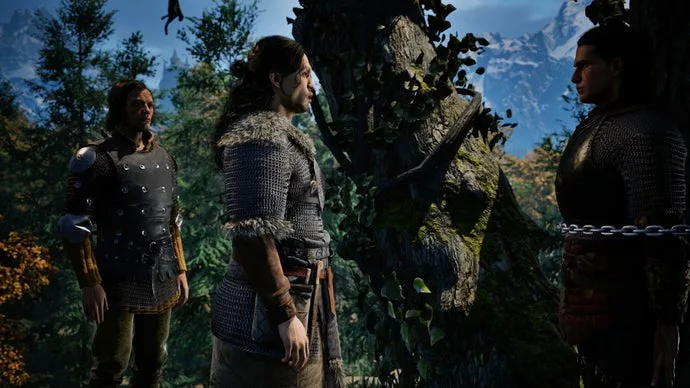
The game features a cast of supporting characters who play crucial roles in Coen's journey. Anca, a healer from his home village of Laslea, serves as both a mentor and a romantic interest. Their relationship evolves as they confront past traumas and navigate their changing circumstances. On the other side of the spectrum is Lacra, a headstrong vampiress with her own hidden motives for aiding Coen. Her sharp tongue masks vulnerabilities, adding layers to her character and the interactions with the protagonist.
Factions also play a significant role in the narrative. The Manumits, an underground rebel group fighting against the vampires, offer potential assistance but harbor a deep distrust of Coen due to his semi-vampiric nature. This factional complexity adds political intrigue to the story, requiring the player to navigate alliances and betrayals. The narrative is designed to be open-ended, with choices made early in the game influencing how objectives are uncovered and how the story unfolds.
The reviewer highlights that the game's narrative approach differs from The Witcher series. While The Witcher often features a linear progression of quests with choices made at climactic moments, The Blood of Dawnwalker emphasizes the initial choices in where the player goes and what they do. These early decisions shape the discovery of objectives, items, and knowledge, creating a sense of agency and consequence. The world is described as vibrant and constantly changing, with numerous narrative threads crisscrossing beneath the surface, ensuring that the player remains engaged with the story's depth and intrigue.
World Design and Exploration
The open-world design of The Blood of Dawnwalker is compared to titles like the Far Cry series, featuring climbable towers that reveal nearby landmarks and a focus on regional control. The realm of Vale Sangora is divided into regions ruled by Brencis's three underlings, known as vampiric Boyars: Ambrus, Xanthe, and Bakir. Dealing with these Boyars or interfering with their endeavors makes the player's ultimate goal easier but also increases their notoriety, leading to decrees from Brencis that make life in the valley more difficult.

Progression against the Boyars is achieved by filling their anger meters through open-world objectives. These activities include clearing training camps, sabotaging breweries, infiltrating blood storage cellars, and freeing prisoners from traveling transports. Alternatively, the player can directly confront and defeat a Boyar in the open world. Upon defeating a Boyar, the player is offered a choice: kill them or drain their blood to increase their corruption rank. This corruption rank dictates the vampiric abilities available to the player, adding a strategic element to how the player chooses to progress.
The reviewer notes that the world is designed to feel alive and reactive, with the player's actions having tangible consequences. The presence of ancient ruins, swamps, crags, and forests provides a varied landscape for exploration. The game encourages the player to engage with the world's details, such as responding to local requests or investigating unusual events, which can lead to deeper narrative threads. This design ensures that even routine tasks, such as angering Brencis and his Boyars, do not feel like mere box-ticking exercises but are integral to the unfolding story.
Technical Performance and Accessibility
The Blood of Dawnwalker was reviewed on a system equipped with an Intel Core i7-12700F processor, 16GB of RAM, and an Nvidia RTX 3060 Ti graphics card, running on Windows 11. The game is available on Steam for Windows, with a price of £59.99, €69.99, or $69.99. The reviewer notes that the game's combat and mechanics are accessible to a wide range of players, including those who may not engage in extensive min-maxing or spreadsheet-based character planning.

The game includes a detective-style focus mode that highlights points of interest in the world, similar to the witcher senses in The Witcher series. This feature aids in navigation and discovery, making it easier for players to identify objectives and interactive elements. The reviewer also mentions that the game's time mechanics are surprisingly relaxed, allowing players to manage their progress without feeling overly pressured. However, the player must be mindful of Coen's thirst, as neglecting to feed can lead to unintended consequences, such as the accidental draining of friendly NPCs.
The reviewer suggests that players who plan to engage in large-scale combat during the daytime should invest in Coen's witchcraft abilities and consider perks that enhance survivability, such as passive health regeneration in human form. The game's design encourages experimentation and adaptation, allowing players to tailor their playstyle to their preferences. The combination of accessible combat, deep narrative, and dynamic world design positions The Blood of Dawnwalker as a compelling entry in the modern RPG genre, offering a unique blend of vampire lore and action-oriented gameplay.
Conclusion
The Blood of Dawnwalker stands out as a worthy addition to the elite modern RPGs, offering a distinct experience that draws on the strengths of the Witcher series while introducing its own unique mechanics and narrative structure. The day-night cycle, complex character relationships, and reactive world design create a rich and engaging gameplay experience. While the game may not match the sheer scale of political intrigue found in The Witcher, it compensates with a more open-ended narrative approach and a strong emphasis on player agency. For fans of vampire lore and action-RPGs, The Blood of Dawnwalker provides a compelling and immersive adventure that is sure to captivate players from start to finish.
Цифра
