

Steam Frame review: Another best-in-class VR headset by Valve, though virtual realities clash with economic ones
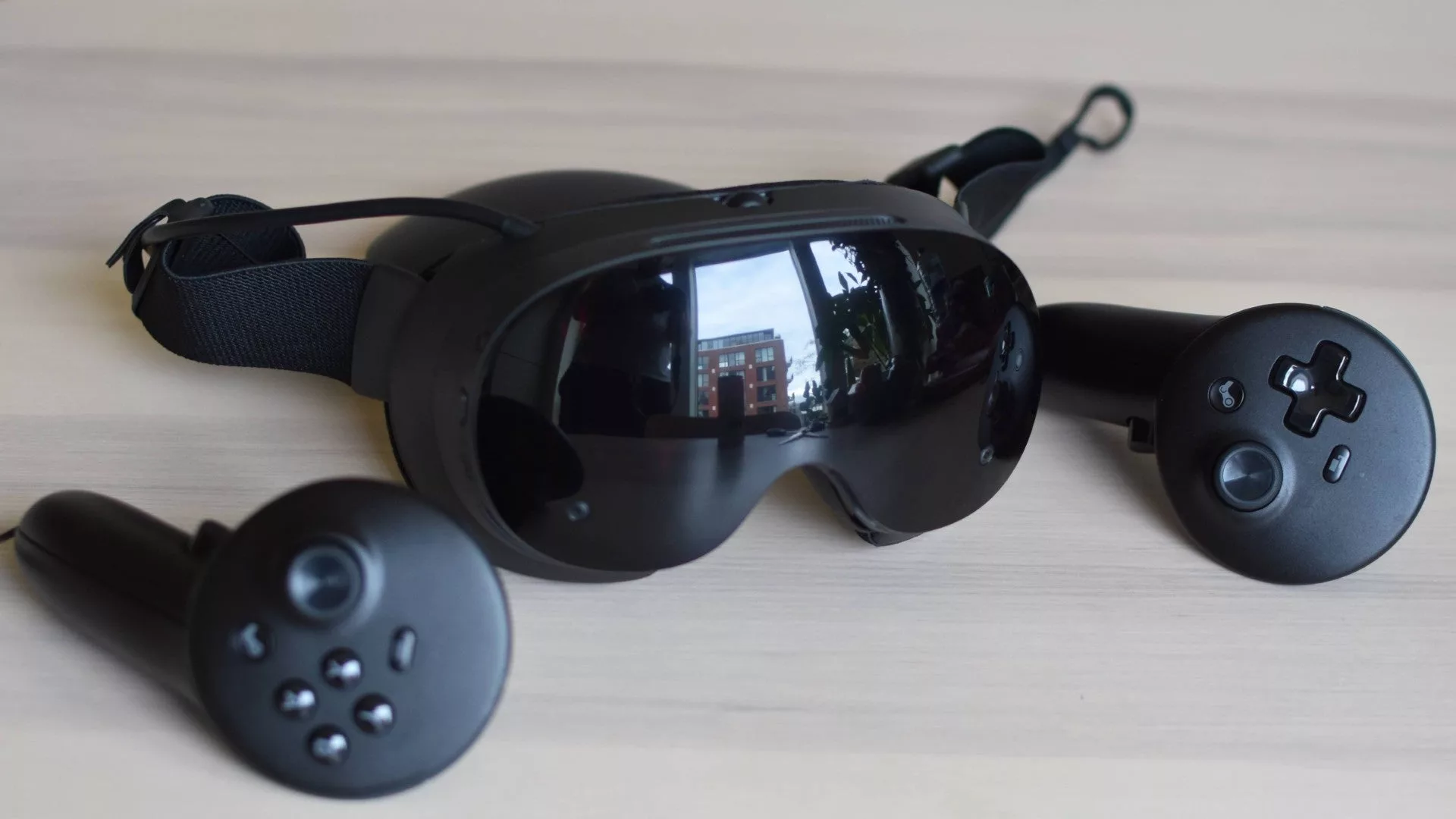
It is a strange time to launch a new VR headset, and an even stranger time to buy one. Amidst component shortages and a slowing supply of original VR titles, Valve has released the Steam Frame—an ambitious piece of hardware that aims to redefine the medium, though its price tag tells a different story.
The Steam Frame is a charismatic piece of engineering that manages to feel both familiar and revolutionary. It is lighter and more compact than its predecessor, the Valve Index, and offers a significant visual upgrade with its dual 2,160x2,160 LCD lenses. While it enters a market dominated by the Meta Quest 3, the Frame attempts to differentiate itself through sheer technical sophistication and ecosystem integration.
One of its standout features is foveated streaming. By utilizing built-in eye tracking—a feature missing from the Meta Quest 3—the headset only streams full-quality imagery where you are actually looking. This clever use of bandwidth ensures high performance and seamless transitions, making the wireless experience feel remarkably stable.
Connectivity is another area where Valve has excelled. The Frame utilizes an "air tether" system, combining a USB dongle with Wi-Fi connectivity. This allows the device to switch seamlessly between the two, providing a level of stability and low latency that rivals wired headsets. When not streaming from a PC, the device operates as a standalone unit powered by the Qualcomm Snapdragon 8 Gen 3 and 16GB of RAM.
However, standalone performance comes with caveats. While the Snapdragon chip is capable, it is still a mobile processor. Even Half-Life: Alyx, which received a specialized ARM-native build for this hardware, suffers from reduced rendering resolution and animation smoothness compared to the PC version. Furthermore, battery life is a major pain point; playing Alyx in standalone mode drained the battery in just 1 hour and 3 minutes.
Perhaps the most pioneering aspect of the Frame is its ability to run non-VR games from your Steam library in a virtual theater mode. This is made possible by FEX, a compatibility layer developed by Valve that allows x86 software to run on ARM architecture, much like Proton does for the Steam Deck. This allows you to play titles like Hades 2 or Hollow Knight: Silksong on a massive virtual screen. However, the hardware's limits are apparent; while the Steam Deck handles most games easily, the Frame struggles with more demanding 3D titles, often failing to maintain a steady frame rate.
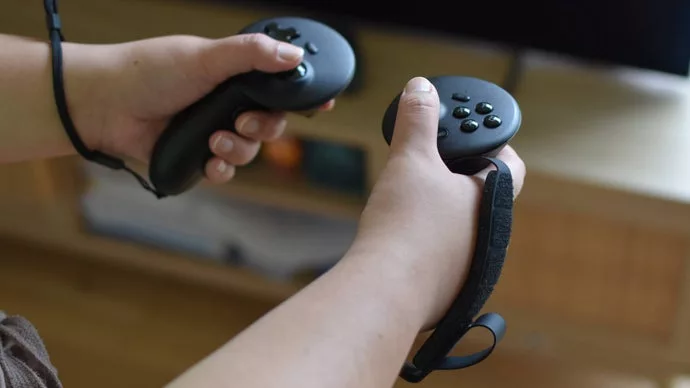
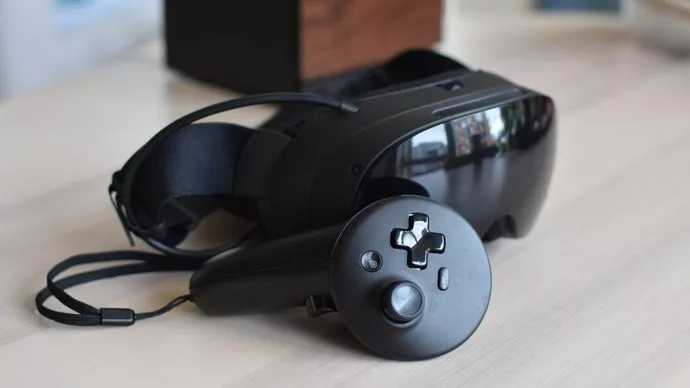
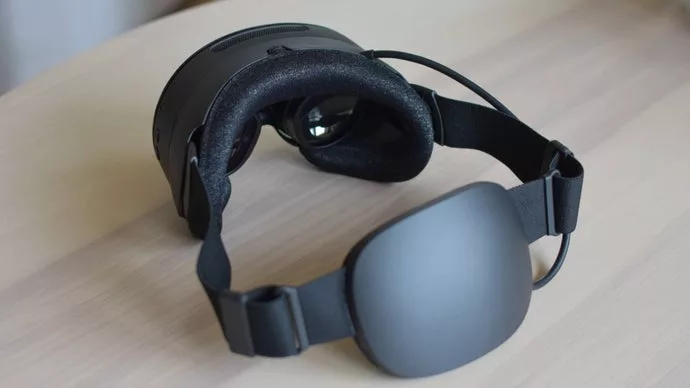
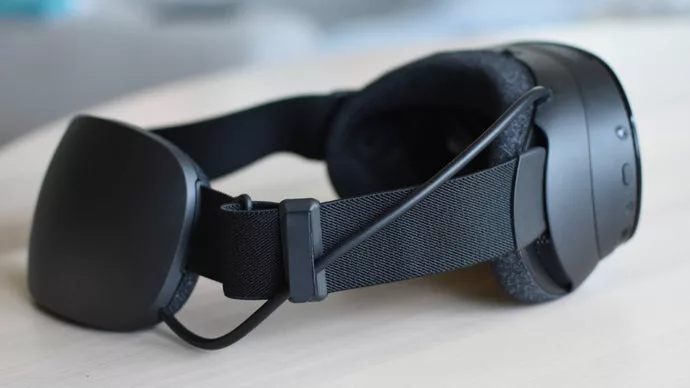
The controllers have been redesigned with a more traditional gamepad-style layout, making them excellent for these "flat" games, though they lack the hyper-accurate finger tracking of the Valve Index. The headset also embraces modularity, allowing users to swap out straps, speakers, and even batteries, though the current official offerings are limited to the Valve Ergonomic Accessories Kit.

Ultimately, the Steam Frame is a device of brilliant ideas and significant compromises. It solves long-standing VR issues like connection stability and complex setups, but it does so at a premium. With the 1TB model costing $1,299, it is a high-end luxury that offers a glimpse into the future of VR, provided you are willing to pay the price.
Флешка
