

The Soulslike genre has grown stale after Elden Ring, and only FromSoftware can take it to strange new places
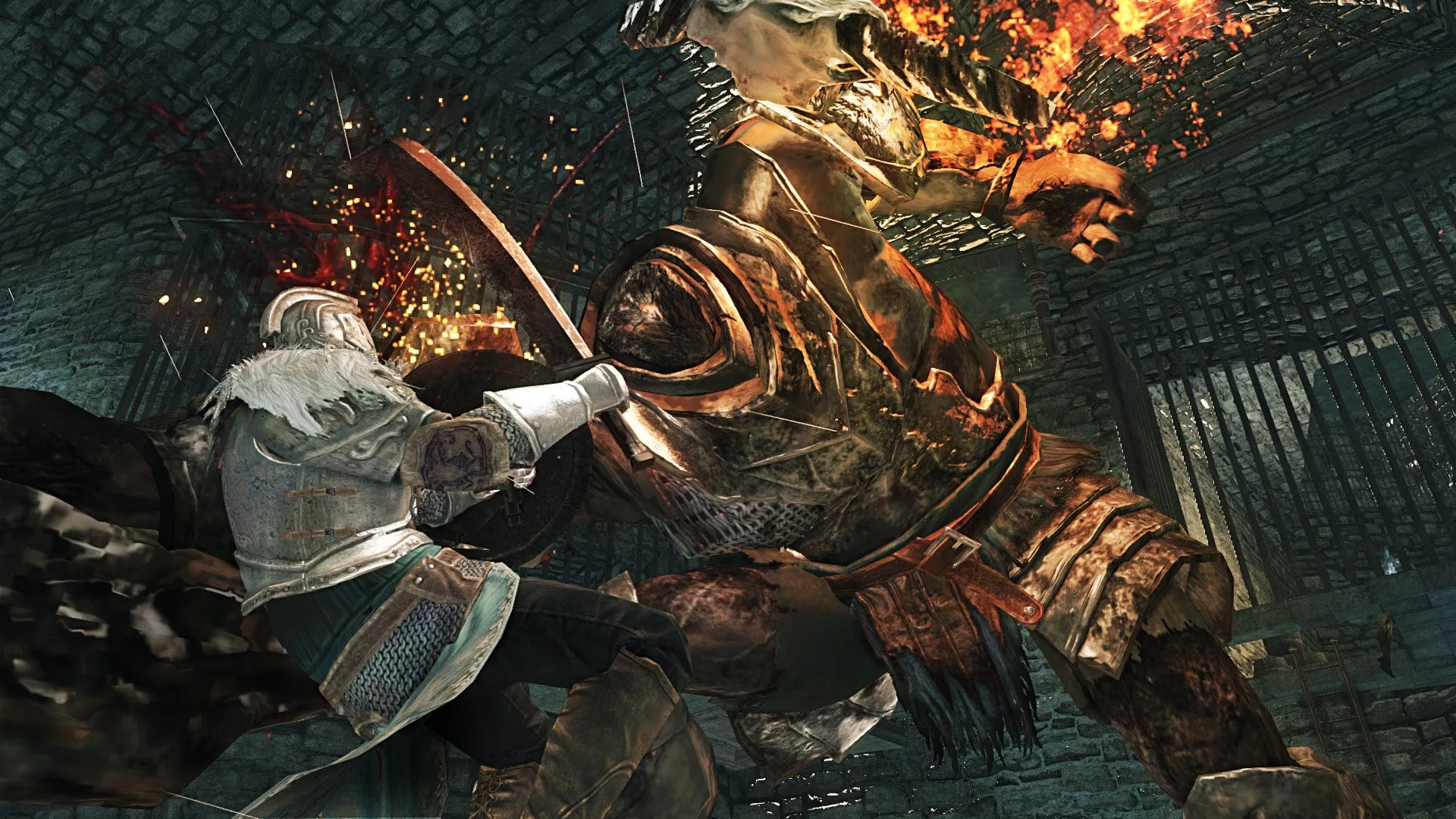
The Soulslike genre, pioneered by FromSoftware, has arguably reached a plateau following the release of Elden Ring. While other developers have attempted to replicate its success through open worlds and co-op mechanics, the industry seems weary of formulaic iterations. According to journalist Ed Thorn, genuine innovation can only come from the original creators revisiting their core strengths.
From 'Souls' to Cliché
Originally, FromSoftware titles like Dark Souls and Bloodborne set a high bar with intricate puzzles, dark atmospheres, and fair gameplay. However, after Elden Ring's 2022 release, the genre began rapid commercialization. The open world became a major selling point on store pages, attracting new audiences but often at the cost of depth.
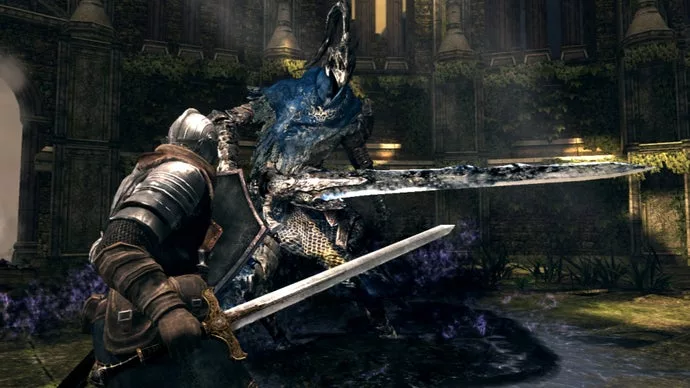
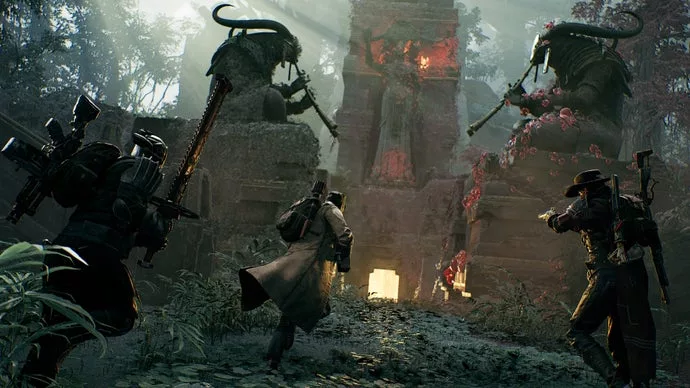
Other developers have tried to replicate this success by adding foreign mechanics: from robotic limbs in The Surge to co-op shooting in Remnant 2. Many of these projects resemble 'dupes' (imitations) that take the original formula and slightly alter its composition, much like perfumers creating analogues of expensive fragrances.
Why Innovation Has Become Rare?
According to the author, the Soulslike genre is inherently limited: it requires maintaining a delicate balance between difficulty and fairness. This forces developers to seek innovation in minor details rather than fundamental changes. As a result, many projects appear as variations of the same idea.
While subgenres like Roguelike are easily reimagined (from Rogue Legacy to Inscryption), Soulslike require finer tuning. This makes them less flexible for experimentation without the involvement of the original creators.
Where to Expect a New Wave?
Currently, FromSoftware is focusing on multiplayer projects: the co-op version Elden Ring: Nightreign has already launched, and an exclusive for Nintendo Switch 2 titled The Duskbloods is in development. However, the author doubts these projects will bring anything fundamentally new. They seem more like reactions to industry trends than true breakthroughs.
In the author's view, real innovation lies in returning to basics: deepening summon systems, treating bonfires as places for player interaction, and even borrowing ideas from JRPGs. Perhaps anime aesthetics or experimenting with smaller but deeper worlds could be the key.
For now, fans must wait. In the meantime, one can dive into projects like The First Berserker: Khazan and hope that eventually, the original creators will surprise us with something truly new.
Флешка
