

Senate Probe Accuses Big Tech of Misleading Public on AI Data Centers
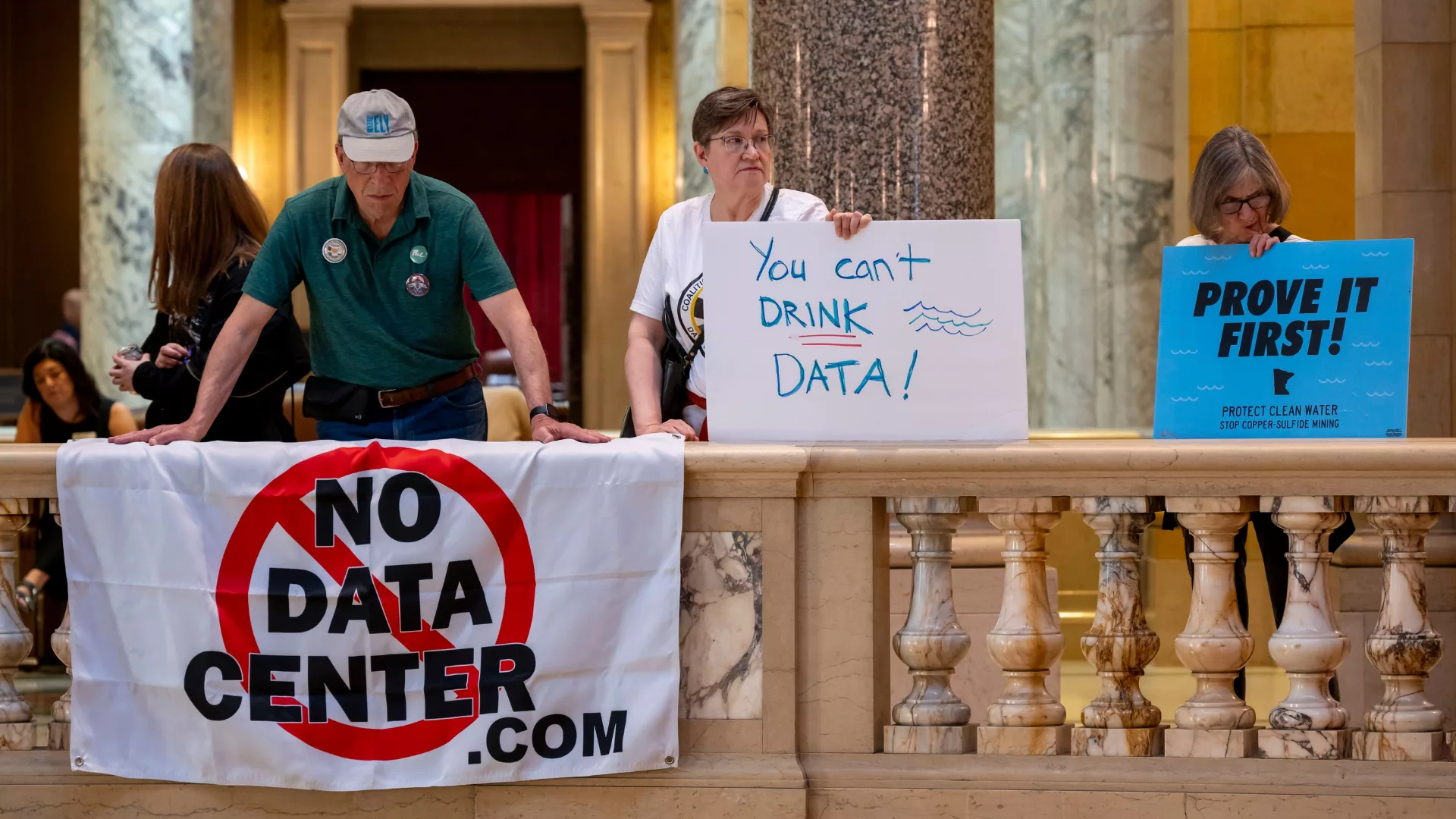
A year-long U.S. Senate investigation has revealed that AI data center developers may be misleading the public regarding the economic benefits their projects bring to local communities. According to Time, while companies frequently highlight construction jobs, they often refuse to disclose the number of permanent positions required once facilities become operational.
Low Job Creation vs. Lucrative Tax Breaks
The investigation highlights a stark disparity in employment ratios. Some companies report only one permanent job per megawatt of capacity. Consequently, a 100 MW facility—consuming as much electricity as 100,000 homes—would employ only 100 people. This lack of long-term employment is particularly contentious as these developers secure significant tax incentives. While property tax breaks are a common point of contention, sales-tax exemptions on computer equipment are proving even more lucrative for corporations.
With an estimated 39% of spending for a 1 GW data center allocated to high-end GPU hardware, these exemptions represent a massive loss in potential state revenue. Senator Elizabeth Warren (D-Mass.) has called for greater accountability, arguing that Big Tech must pay its fair share rather than leaving local communities to foot the bill for their massive expansion.
The Infrastructure Cost Debate
The probe also identified a group of companies that have allegedly failed to fulfill promises to cover their own infrastructure costs. Despite earlier pledges to "pay their own way," companies including Amazon, Google, Meta, Microsoft, CoreWeave, Digital Realty, and Equinix are reportedly resisting responsibility for larger investments, such as new power plants and transmission lines. Their argument rests on the claim that such infrastructure provides benefits to other customers beyond their own power demands.
As public opposition to the massive power consumption of AI facilities grows, Congress is looking toward broader regulation. Previous legislative attempts to implement a "ratepayer protection pledge" were deemed "toothless" by senators, signaling that more robust regulatory efforts regarding the infrastructure behind AI are likely on the horizon.
Гика
