
In a league of its own: Samsung Galaxy Z Flip 8
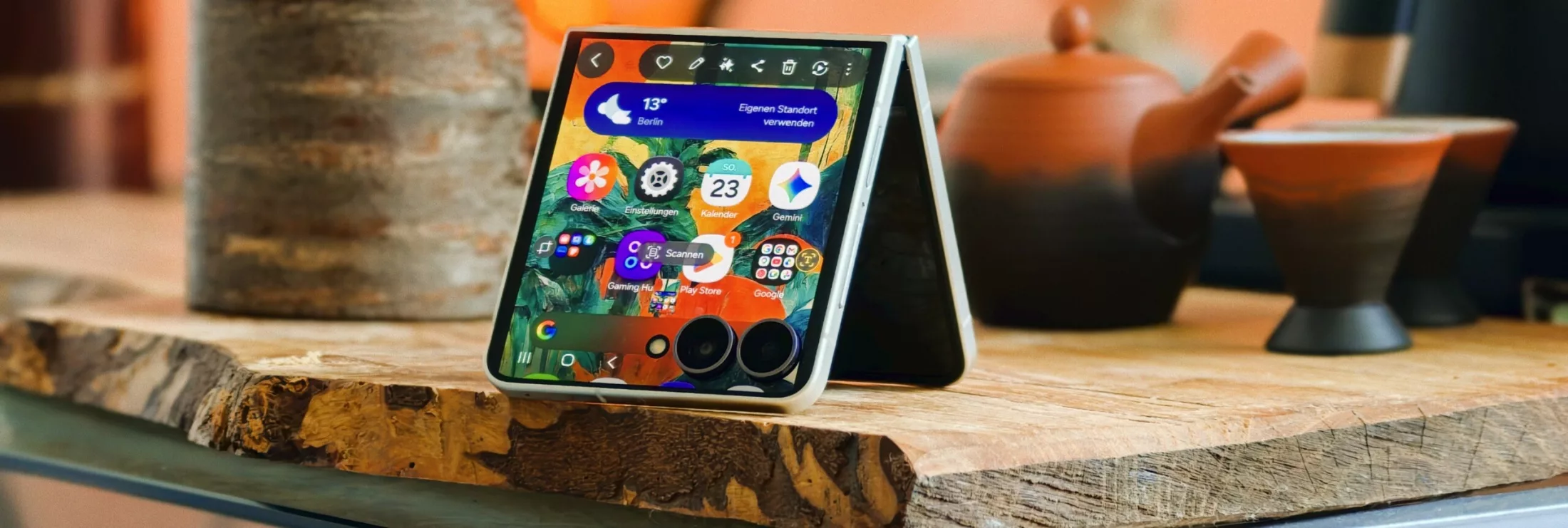
While the eighth generation of the Samsung Galaxy Z Flip 8 doesn't offer radical improvements over its predecessor, it remains the leader in the clamshell foldable segment. This dominance is driven less by the device's own evolution and more by the lack of high-end competition from brands like Xiaomi or Oppo. While Motorola Razr models operate in a different league, the new Flip 8 shows clear superiority in benchmarks and multimedia performance tests.
Design and Ergonomics: Slim but Imperfect
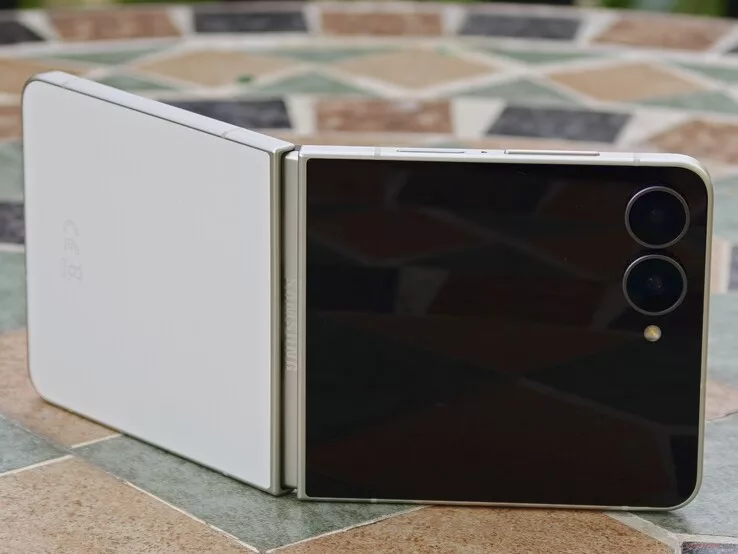
The device is remarkably compact, weighing just 180g with a 6.1mm-thin body, yet it manages to house a massive 6.9-inch OLED display. The new hinge is less stiff than the Fold series, allowing for versatile stand modes. While the screen crease is still present, it is barely noticeable during daily use. However, the design brings practical drawbacks: the volume buttons and fingerprint sensor are positioned so high that one-handed operation is nearly impossible. Additionally, the IP48 rating means the device lacks full dust resistance, which is a drawback for everyday durability.
Display and Visual Experience
The main screen carries over the same specs as the Flip 7. While it remains top-tier in quality, the 1080p resolution feels underwhelming for a premium device. A more significant concern for some users is the PWM (Pulse-Width Modulation) dimming. Samsung continues to use a low frequency of 480 Hz, with measurements showing it can drop to 240 Hz. This low frequency can cause eye strain for users sensitive to screen flickering.
Performance and Camera Capabilities
Powered by the Exynos 2600 chipset and 12 GB of LPDDR5x RAM, the phone delivers fast and stable performance, though significant throttling occurs under heavy loads. The camera hardware has largely stagnated since the Flip 6. The 50 MP main sensor with OIS performs well in daylight, but sharpness drops significantly in low light due to the relatively small sensor. Without a dedicated telephoto lens, digital zooming beyond a 2x crop yields mediocre results.
Battery and Charging: The Weak Link
Despite the use of silicon-carbon-anode technology, the 4300 mAh battery remains small for a device of this size. The most notable downside is the 25W charging speed, which lags significantly behind competitors. On the positive side, the device supports Wi-Fi 7 and comes with a commitment to long-term software support, including 7 years of Android OS and security updates.
Гика
