
The Making of Rez: Where 90s Techno and Gaming Collided
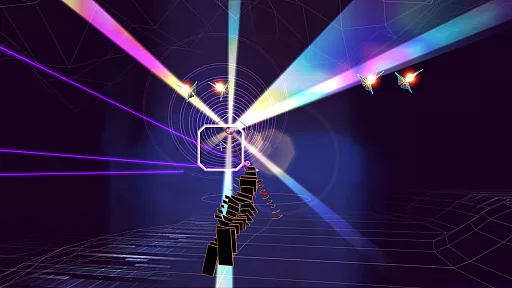
At the recent The Tenth Mosaic event in Tokyo, a deep dive into the legacy of the cult classic Rez took place. During a session celebrating the game's 25th anniversary, the creators shared development insights that explain how an attempt to translate the techno club experience into virtual reality evolved into a unique audiovisual phenomenon.
A central theme of the discussion was the concept of 'synesthesia'—the blending of sound, visuals, and tactile sensations. Director Tetsuya Mizuguchi revealed that the core inspiration for the game came from attending the Street Parade electronic music festival in Zurich in 1997. Witnessing how music dictated the movement of massive crowds inspired him to seek a way to make music an interactive, physical experience.
The development team faced a significant challenge: how to ensure players didn't just listen to the music, but became part of it. They arrived at the 'call and response' mechanic, drawing from various musical traditions. In Rez, player actions—such as locking on and shooting enemies—are synchronized with the beat through quantization. This ensures that no matter how a player operates, their inputs naturally integrate into the musical composition.
The discussion also highlighted the complex journey of assembling the game's legendary soundtrack. Producer Masakazu Hiroishi detailed the ambitious efforts to secure collaborations with icons of the 90s electronic scene, including Underworld, Fatboy Slim, and Aphex Twin.
Several notable near-misses were revealed during the session:
- A custom level featuring Underworld's track of the same name was reportedly developed, but the collaboration never materialized due to concerns regarding the shooter genre's fit.
- A partnership with Fatboy Slim was nearly finalized; a level based on "The Rockafeller Skank" was nearly complete, but the team had to abandon it just three weeks before release due to sampling rights issues.
- Negotiations with Aphex Twin (Richard D. James) ended in disappointment; despite the artist's interest in the concept, he was unable to deliver the music within the required timeframe.
Ultimately, Rez featured contributions from artists like Ken Ishii, Coldcut, and Oval. Ken Ishii noted the unconventional nature of the production, explaining that instead of standard tracks, he was asked to provide individual sound elements—such as hi-hats and basslines—allowing the player to 'build' the song through their gameplay.
The legacy of Rez continues through Tetsuya Mizuguchi's subsequent works, including Lumines and Tetris Effect, which continue to push the boundaries of audiovisual integration and haptic feedback technology.
Флешка
