
Remedy's Best Action-Pacing Yet: Hands-On with Control Resonant
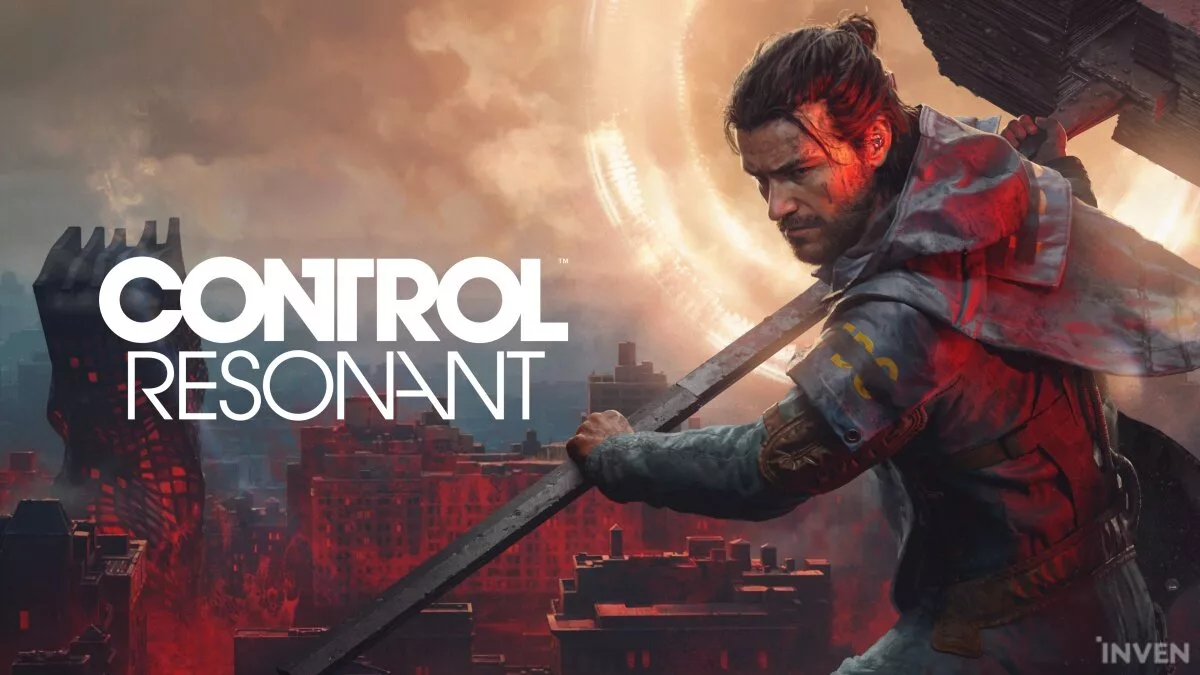
Remedy Entertainment is set to release Control: Resonant on October 15, promising a significant evolution from its predecessor. Ahead of the launch, Remedy hosted a hands-on demonstration at Gamescom, offering attendees a first look at the game's mechanics in the new district known as The Park. The session was led by Community Manager Julius Fondem, who guided players through the core gameplay loop, while Product Manager Miika Huttunen provided context on the narrative and world-building. This preview highlights a distinct shift in pacing and combat philosophy, emphasizing high-speed aerial movement and a 'kill-to-heal' survival mechanic that fundamentally alters the player's approach to engagement.
A New District: The Park
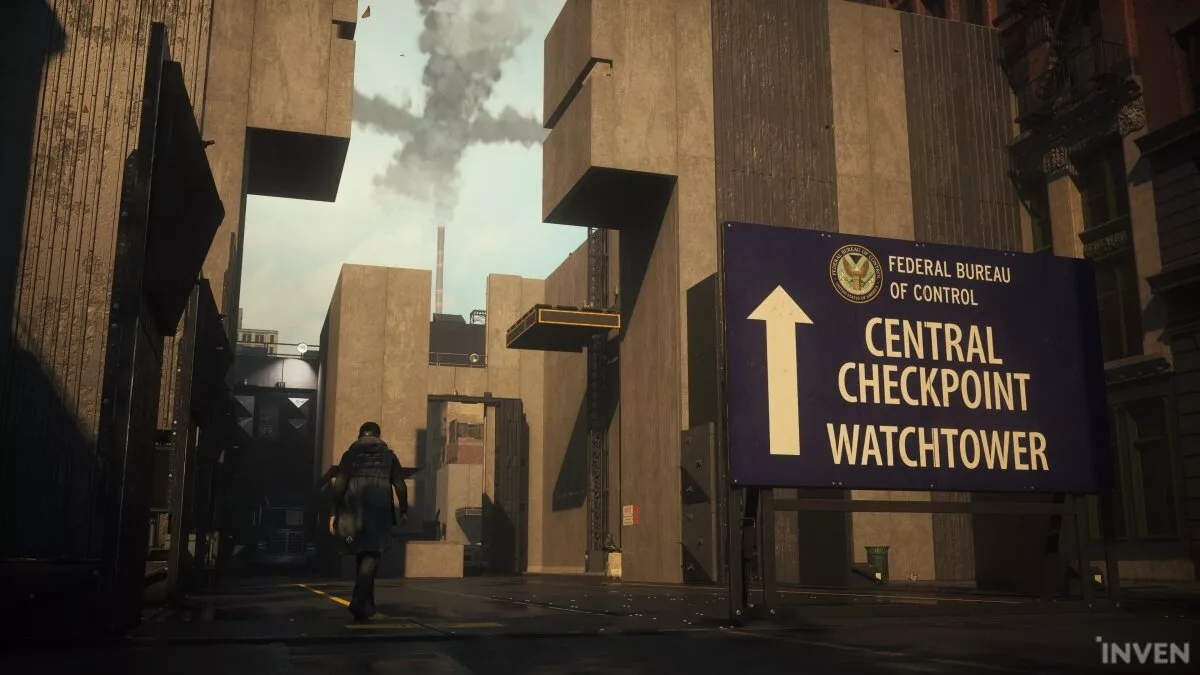
The demonstration took place in The Park, a new area introduced in the game. For fans of the original Control, this location is instantly recognizable from previous trailers, but the hands-on session revealed its current state under the influence of the Mold. The narrative premise involves the Oldest House's pipeline being damaged, causing not just the Heists to escape, but also the Mold—a dimensional entity that invades reality. The Mold is designed to be visually and ollectively tempting, luring targets into a state of mutation. During the demo, players observed NPCs succumbing to this infection, becoming entranced by the sensation before slowly transforming. Protagonist Dylan, possessing supernatural abilities, resists these effects. The primary objective for the player in this segment was to collect and consume Mold samples to stabilize the area. The journey involved navigating through a mini-mart within the district to secure the final sample needed to complete the mission.
High-Speed Aerial Mobility
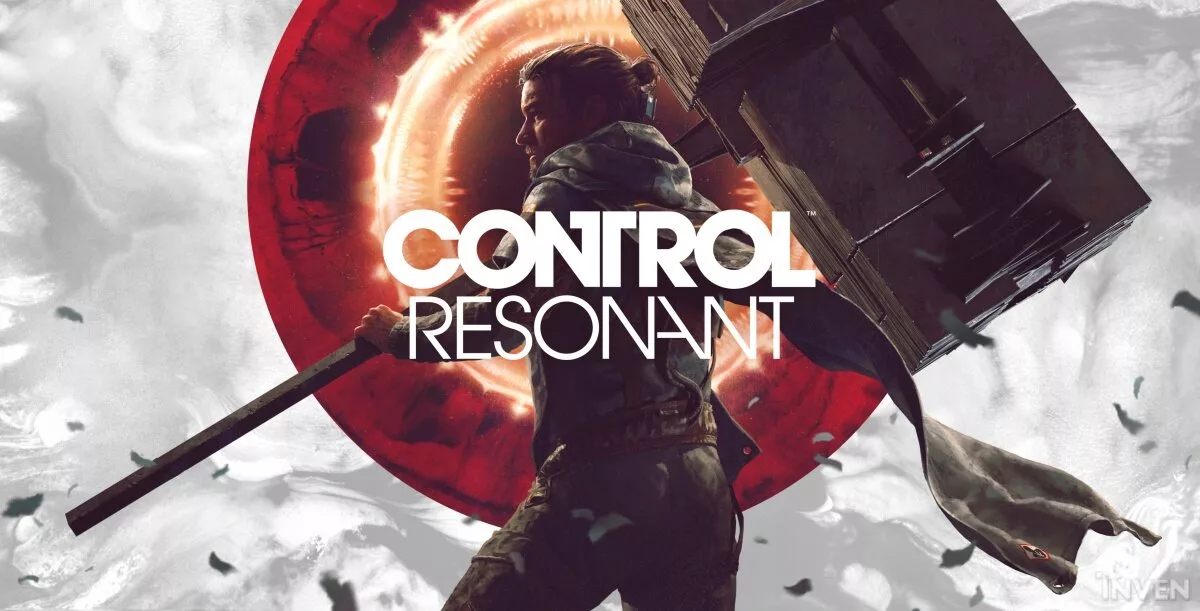
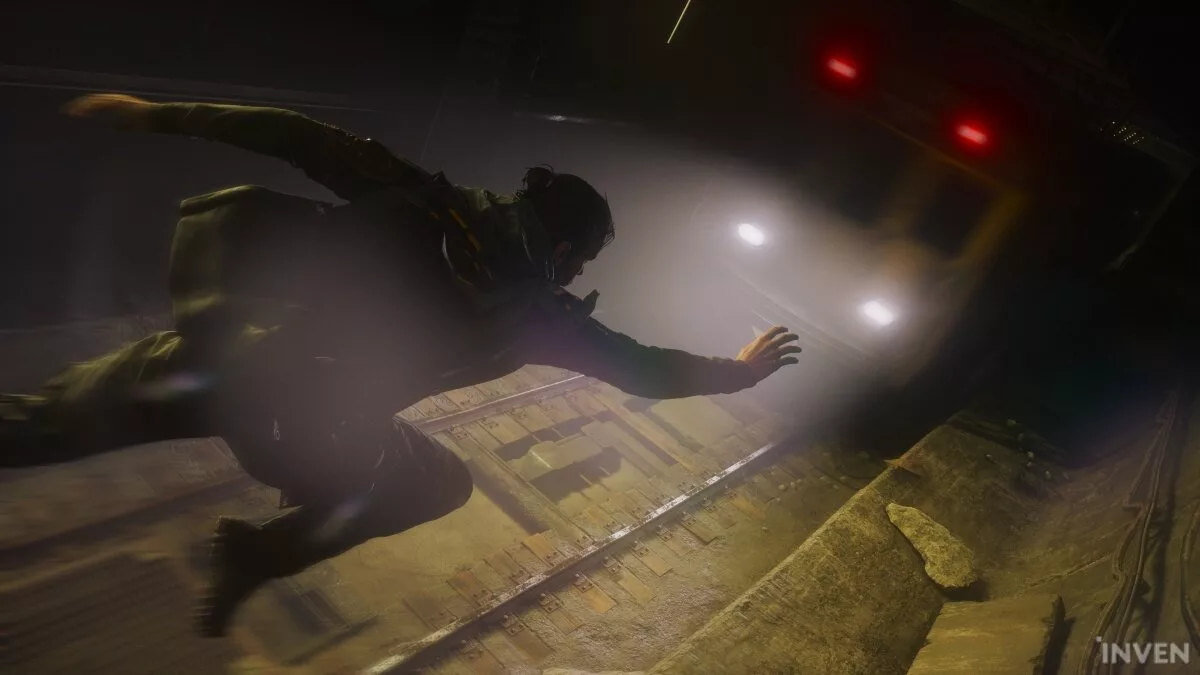
One of the most striking features demonstrated was the enhanced mobility system. Unlike the grounded traversal of the original title, Dylan spends a significant amount of time in the air. The movement scheme includes jumping, chaining jumps, gliding, and dashing while airborne. This allows for rapid traversal between buildings at speeds not seen in previous Remedy games. The animation design also contributes to this sense of speed. Rather than striking heroic poses typical of sky-bound superheroes, Dylan appears somewhat forced into these positions by his own powers, adding a layer of realism and urgency to the movement. Additionally, the game features a gravity manipulation ability called Shift. By activating this power, players can alter the gravity direction on structures, effectively turning walls into floors or creating new pathways. This mechanic ensures that land-based routes are rarely blocked, as players can simply shift gravity to bypass obstacles.
Combat: Attack is the Best Defense
The combat system received the most attention during the hands-on session. Dylan's primary weapon is the Avernum, a versatile melee blade that can change its form at will. It has two distinct forms:
- First Form: A dual-blade configuration focused on speed and critical hits. It includes a combo finisher where Dylan spins the blades in place to deal continuous damage.
A large drill attachment. Hitting enemies with the drill fills a purple gauge. When this gauge is full, it induces a 'Polter' state, causing significant stagger and increased damage output.
A key design philosophy highlighted by Remedy is that 'attack is the best defense.' There are no guard or parry mechanics in the game. The only way to recover health during combat is by killing enemies. Outside of combat zones, players can find separate items to restore health. However, a 'Perfect Dodge' mechanic exists early in the game; successfully dodging an attack at the right moment triggers a slow-motion effect and grants a temporary damage boost.
Artifact Management and Gravity Mechanics
Before engaging the main boss, players had time to adjust their build using artifacts found during exploration. In the demo, players swapped a Fork Artifact, which increased melee damage by 15%, for a Flipboard that boosted damage and Polter values by 25% while in a gravity anomaly state. These small items drive significant changes in gameplay. The demonstration also showcased the gravity manipulation gimmick visually. When players dropped an item, it fell in a specific direction rather than straight down, indicating that gravity was actually pulling that way. Details like hair and clothing blowing in one direction further reinforced this environmental storytelling.

The Collective: First Resonant Boss
The first major encounter was against the Collective, a massive boss with tentacles capable of firing Mold projectiles from a distance. Remedy advised players to avoid engaging head-on, as it offers neither fun nor efficiency. Instead, the recommended strategy was to flank the boss and use the Barrage ability to induce Polter states on one side before eliminating it. Once the first phase was cleared, the boss revealed weak points on its body. However, the boss also attempted to protect itself by summoning smaller mobs. These minions were characterized by large gloves that reduced frontal damage effectiveness. Players had to either break the gloves or attack from behind to deal significant damage. After clearing the adds, the boss's weak points were fully exposed and destroyed.
In the final phase, two tentacles appeared simultaneously at the front of the arena. Players used cover to focus fire on one side while managing the threat of a large enemy landing nearby. The demo showed that even with low health, players should prioritize evasion over aggressive attacks.

Resonant Abilities and Progression
Upon defeating the boss, Dylan enters a 'Gap,' a liminal space within his mind. Here, players must choose one of two new Paranatural abilities to add to their arsenal:
- Score Burst: Allows Dylan to fire Mold projectiles directly from his arm.
- Growth: Summons allied Mold units that shoot scores.
Players can only choose one ability at a time, but they have three Spec Points available during gameplay to switch between them. In New Game Plus mode, players retain their initial choice and unlock the remaining abilities. The game features six slots for these abilities; by default, three are active, and a specific button allows players to toggle the other three simultaneously.

Inside the Gap, players can also acquire new artifacts, change Paranatural abilities, upgrade the Avernum's forms, or gain new talents. The demo concluded with a discussion on the 'Resonant Surge' phenomenon. Killing a Resonant triggers this event, causing remaining enemies in the district to become stronger while simultaneously refreshing various world content. Remedy emphasized that players are not required to kill every single Resonant and can choose their own order of engagement.
Conclusion
The hands-on session focused primarily on the skeletal structure of the combat system and the tone of the universe, keeping story details under wraps. However, the design choices—such as excluding defensive maneuvers in favor of a kill-to-heal loop and combining fire with infection status effects—suggest a distinct rhythm compared to the original Control. The non-linear progression, where players can choose which Resonants to face and in what order, points toward an open-world structure expanded from the confined setting of the Oldest House. While the demo was built on a PC version build about three weeks prior to release and lacked final audio mixing, the core mechanics presented suggest a highly polished experience awaiting launch.
Флешка
