

Onimusha: Way of the Sword Review
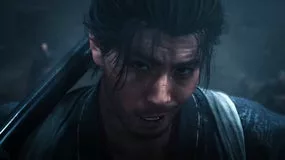
Onimusha: Way of the Sword is a deliberate departure from the prevailing Soulslike formula, offering a combat system that prioritizes reactive precision and strategic observation over raw aggression. Developed by Capcom, the title draws heavily on the philosophy of Miyamoto Musashi, translating his minimalist approach to swordsmanship into a gameplay loop that demands constant attention and rewards disciplined execution. While the narrative and boss encounters are exceptional, the connective tissue of exploration and side content feels somewhat thin, resulting in a focused, high-skill experience that is best suited for players who appreciate mechanical depth over expansive open-world freedom.
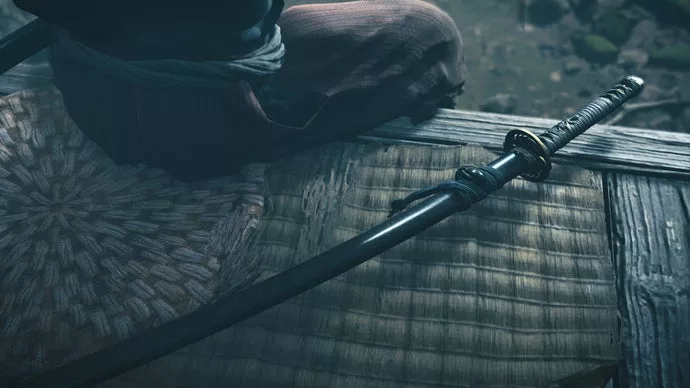
The core identity of Onimusha: Way of the Sword is built upon a fascinating combat system that relies heavily on momentum and keen observation of enemies. Capcom hired actual swordsmen to refine and motion capture the animations, resulting in a system that feels distinct from typical action games. The primary mechanic is the 'issen,' a counterstrike that functions similarly to a parry. By readying a light or heavy attack as an enemy strikes, players can interrupt their foe, deal damage, and open up opportunities for follow-up attacks. However, the system discourages greed; Musashi, the protagonist, is portrayed as a superior reactor rather than an instigator. This design philosophy means that regular attack strings are intentionally under-powered and slightly awkward, serving as filler moves to confound opponents rather than as primary tools for killing. The most lethal moments come after parries, deflections, or dodges, forcing players to dance around enemies and force them to spend stamina on whiffed attacks.
This approach creates a role-playing experience that feels more authentic than many contemporary titles, including Nioh, Wo Long, and Sekiro. The combat is less concerned with acrobatics and pure action, and more focused on aptitude and application. Long skirmishes can be gruelling, requiring players to avoid making a single error while reading and riposting like a true swordsman. The game teaches players to pay attention to trifles, a concept drawn from Musashi's famous manual, The Book of Five Rings. Even fodder enemies are animated and telegraphed with such attention to detail that it highlights the weaknesses of weaker enemy designs in other games. By the halfway point of the game, players often find their reflexes sharpened, allowing them to cut down enemies before they can land a blow. This level of mechanical immersion is a significant strength, creating a tight power fantasy for those who master the system.
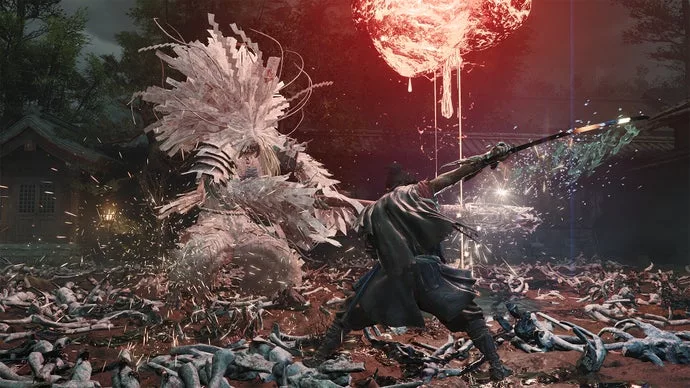
The visual language of the combat system is another area of strength. The game uses distinct cues for different types of attacks: flashing telegraphs for deflect-only attacks, red coloration for undodgeable attacks, and glowing blue for dodge-only attacks. While some might view these as simple 'Simon Says' cues, they are used to great effect by Capcom to craft high-stakes fights that feel fair, familiar, and difficult simultaneously. The fights are always tidal in nature, requiring players to manage the flow of combat rather than simply overwhelming opponents. This design ensures that the game remains challenging without feeling unfair, a balance that is difficult to achieve in the genre. The difficulty is intentional, and the game does not hold back, requiring players to be constantly switched on and focused.
Outside of combat, Onimusha: Way of the Sword offers a mix of linear progression and medium-sized exploration areas. The game is neither completely linear nor open-world, but instead occasionally expands to allow players to explore and complete side missions. These distractions provide a better sense of the world, which is threatened by an invasion of 'genma,' nefarious beings seeking to conquer both the human realm and hell. However, the side content is somewhat repetitive, and the game would have benefited from a more focused setup. The 'legacy' dungeons and severely-walled paths are more effective uses of time than the often-feeling dalliances around a crumbling Kyoto. That said, the side content is not without value; exploring and finding items, hunting down rogue 'genma,' and mastering a rudimentary RPG skill tree all empower Musashi. There is also a simple upgrade path for weapons and armour, as well as new skins to unlock for the protagonist and supporting characters.
The narrative is driven by an intriguing and compelling story that keeps players engaged, with the cutscene direction paying homage to Akira Kurosawa. The camera work, pacing, and timing are superb, and the game is also one of the funniest titles in recent memory. The character of Musashi is brought to life with a mix of dramatic, funny, and emotive moments, capturing the essence of the historical figure. The attention to detail in the character's animations, such as the grimace when flung into a wall or the raised eyebrow at unexpected developments, adds to the uncanny realism. The story and characterisation are among the game's strongest elements, providing a solid foundation for the combat system.
One of the most enjoyable aspects of the game is the ability to replay boss fights from the hub. Jumping back into old fights with new gear makes them feel interesting again, and the depth of the combat design ensures that there is always something new to discover. In all but one fight, players can find a new move or create conditions for something special to happen that they did not see in their first encounter. This level of replayability and depth is a testament to the quality of the combat design. The game's value comes not from the breadth of its content, but from the artistry of its two best elements: the fighting and the boss design.
In terms of length, Onimusha: Way of the Sword can be completed in about 20 hours if rushed, but a more thorough playthrough that pays attention to every detail takes closer to 30 hours. This is the sweet spot for the game, as the combat system requires constant focus and the fights need to be flashy and brief to maintain their impact. The game forces players to 'do nothing which is of no use,' and if they do not learn from their mistakes, they will die. While some of the connective tissue and pacing are a bit thin, Capcom has once again shown its mastery of the craft by daring to say 'no' to the ubiquitous Soulslike design and opting for something more unique and fitting for its central character.

By insisting that players play honestly and learn to wholly embody Musashi and his philosophies, Capcom forces a level of role-playing that merges narrative and mechanical storytelling. The result is a game that makes players feel more like a swordsman of legend than any other title currently available. Onimusha: Way of the Sword is a masterclass in focused, high-skill gameplay, offering a unique and rewarding experience for those willing to engage with its demanding combat system. It is a testament to Capcom's ability to innovate within the action genre, providing a fresh take on a familiar theme.
Зануда
