
NVIDIA RTX Spark: A New AI Platform and the DLSS 5 Offensive
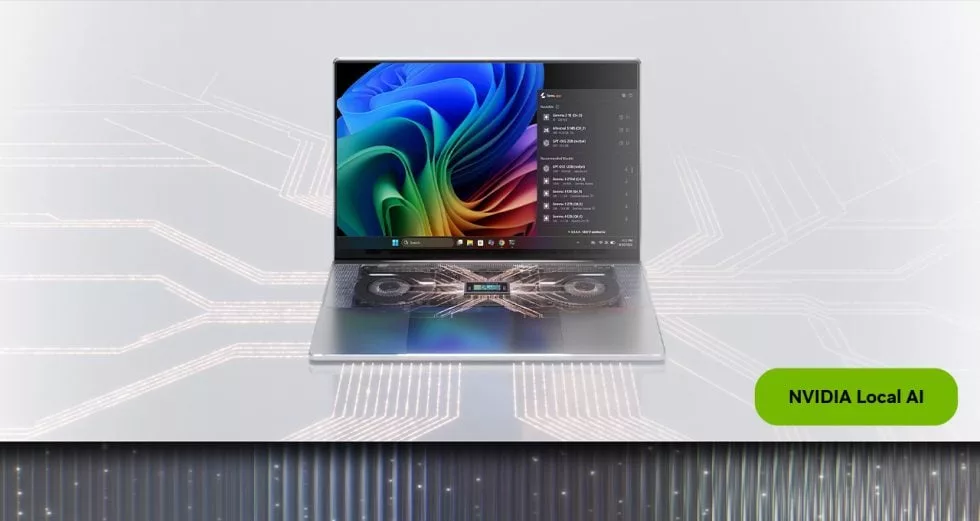
NVIDIA has announced RTX Spark, a new Windows-based platform designed for local AI workloads, creative production, and gaming. The architecture centers on a "Blackwell" GPU paired with a "Grace" CPU, featuring up to 128 GB of unified memory. The first laptops are expected to hit the market on October 16, 2026, followed by compact desktop PCs in November.
AI Capabilities and Local Execution
The core of RTX Spark is its unified memory architecture, which allows the CPU and GPU to share a single memory pool. This is a significant shift for running large language models (LLMs) locally; NVIDIA claims this setup can support models with up to 120 billion parameters and a one-million-token context window. For developers, the platform offers CUDA, TensorRT, and a new low-precision format called NVFP4, which NVIDIA states can deliver a petaflop of AI computing performance in FP4 format.
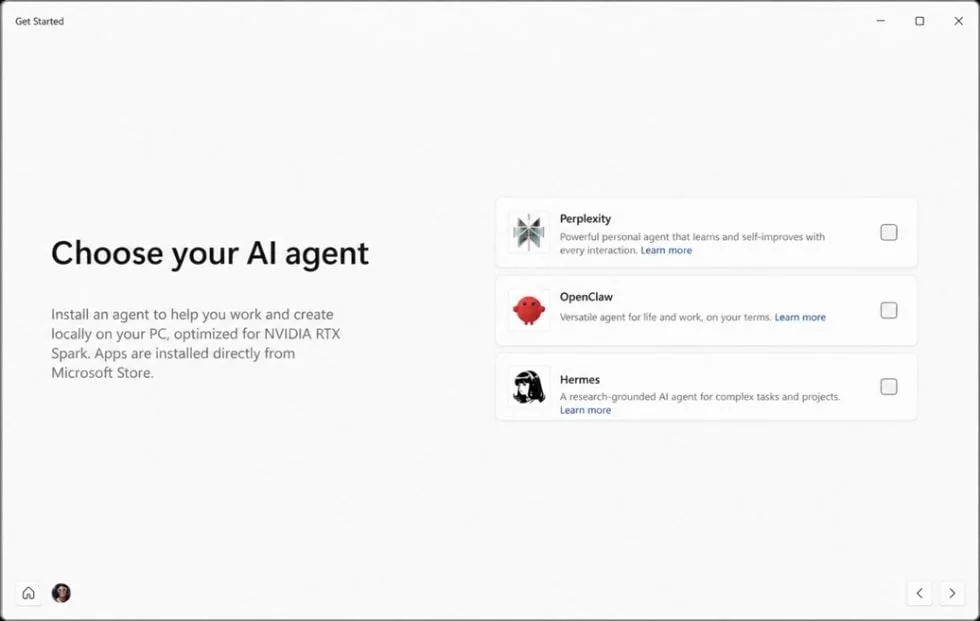
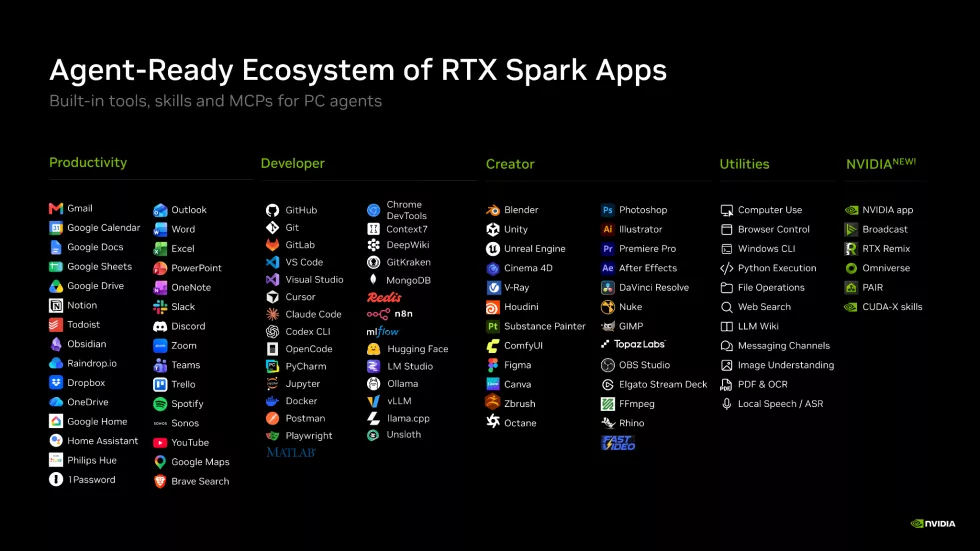
The platform is specifically designed to power "AI Agents"—software capable of decomposing complex tasks and automating workflows. To ensure security and control, NVIDIA is introducing OpenShell and Microsoft Execution Containers (MXC) to isolate agent processes at the OS level. NVIDIA also mentioned that services like GitHub Copilot and Perplexity could utilize this local hardware to handle routine tasks before offloading more intensive computations to the cloud.
Hardware Configurations and Partners
Technical details for the initial rollout remain somewhat broad. NVIDIA has outlined two laptop configurations: one featuring 6,144 GPU cores and 20 Grace CPU cores, and another with 5,120 GPU cores and 18 CPU cores. The TDP is expected to range between 45W and 80W. Key partners for the laptop segment include ASUS (ProArt P16), Dell (XPS 16), HP, Lenovo, Microsoft, and MSI. Compact desktop solutions will be available through manufacturers like Acer and Gigabyte.
While the hardware promises high-end performance, specific details regarding cooling solutions, actual battery life, and retail pricing have not yet been disclosed. As with many manufacturer announcements, independent benchmarks will be necessary to verify the claimed energy efficiency and sustained performance.
DLSS 5 and Creative Workflows
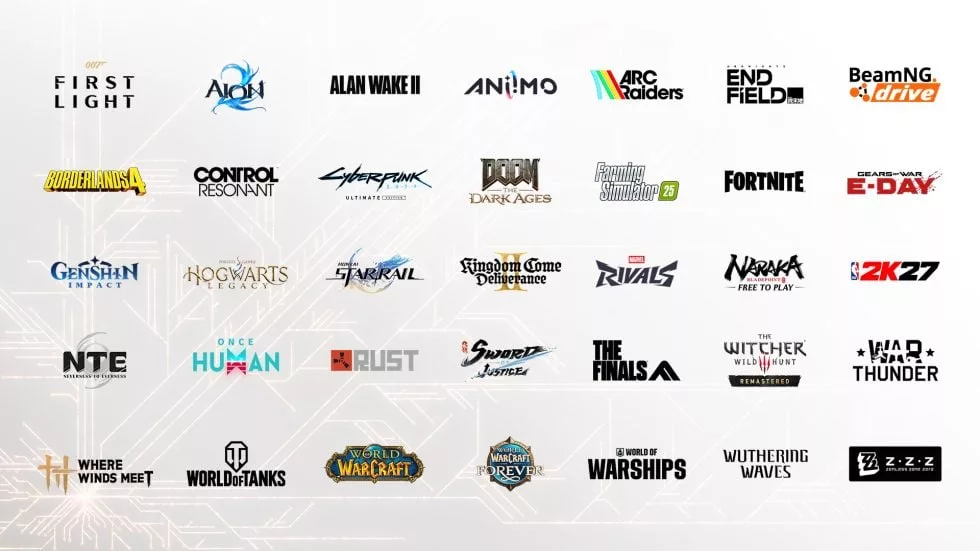
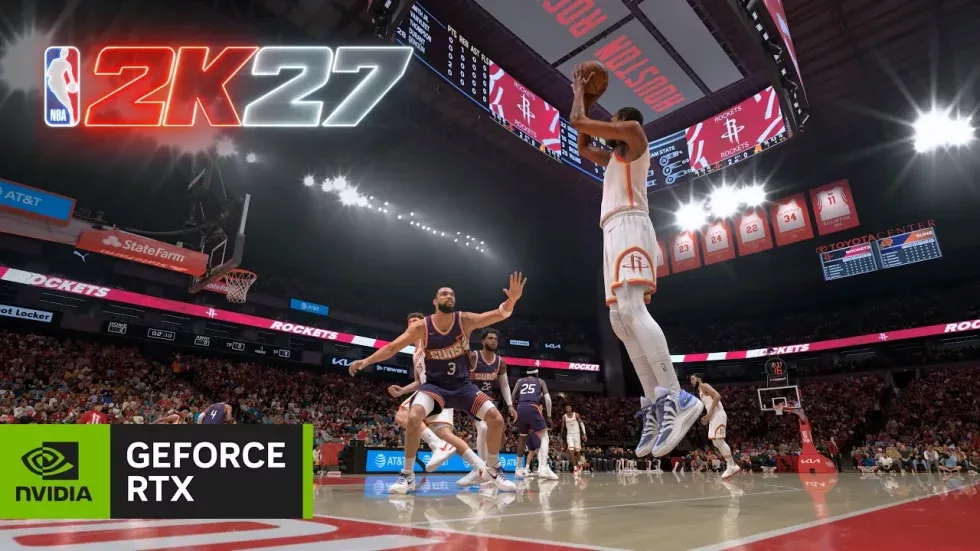
The most significant update for gamers is DLSS 5, which introduces 3D-Guided Neural Rendering. Moving beyond simple frame generation, DLSS 5 aims to use engine-level data—such as geometry, textures, and lighting information—to generate additional lighting and material details. This is intended to enhance effects like subsurface scattering in skin and complex global illumination while maintaining temporal stability and avoiding common AI artifacts.



Creative professionals will see optimizations in Adobe applications (Photoshop and Premiere), where NVIDIA promises up to double the performance for specific AI-driven tasks. Additionally, Blender 5.3 is expected to receive beta support for DLSS Ray Reconstruction. The platform also emphasizes video workflows, providing hardware encoding/decoding for AV1, HEVC, and H.264, including support for 4:2:2 camera material.
Гика
