

NVIDIA patents AI chat interface to help developers analyze GPU performance
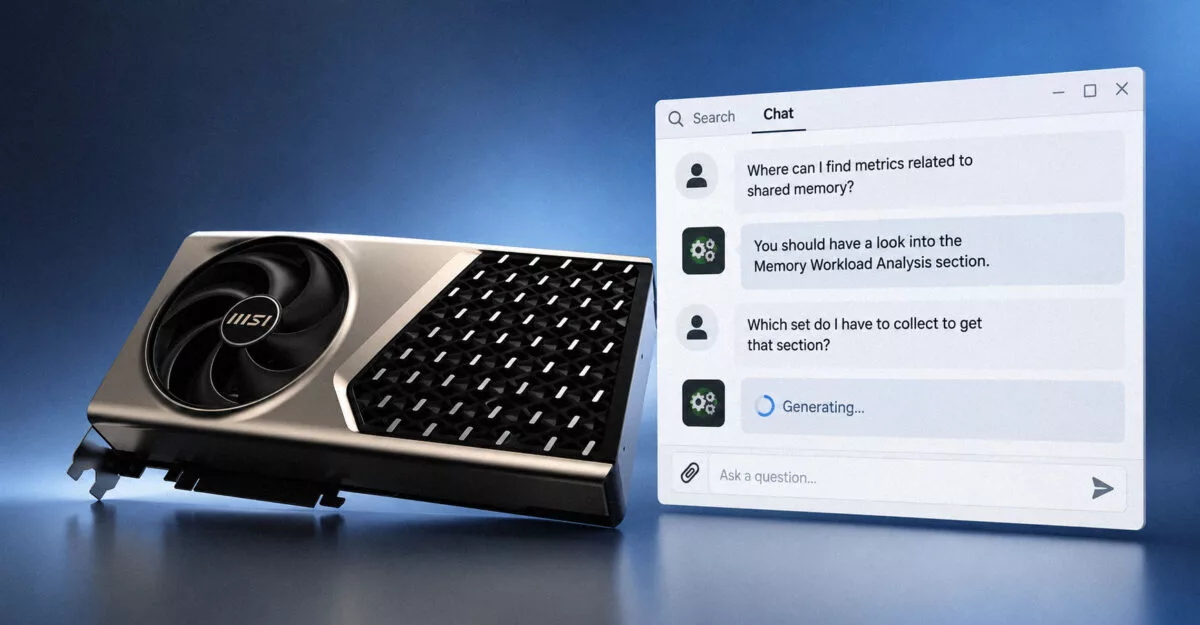
NVIDIA is looking to bring large language models directly into the developer's workflow. A new patent application reveals a vision for an AI assistant that allows developers to query GPU performance data using natural language.
An LLM-based interface for deep performance insights
The core of the patented technology is an "LLM-based chat interface" integrated with GPU profiling tools. Rather than just providing static data, the system acts as an intelligent intermediary. A developer could ask why a specific workload is underperforming or how two different versions of a program compare. To provide accurate answers, the AI would be able to retrieve technical documentation, inspect collected GPU data, and even generate Python or other scripts to extract the necessary information.
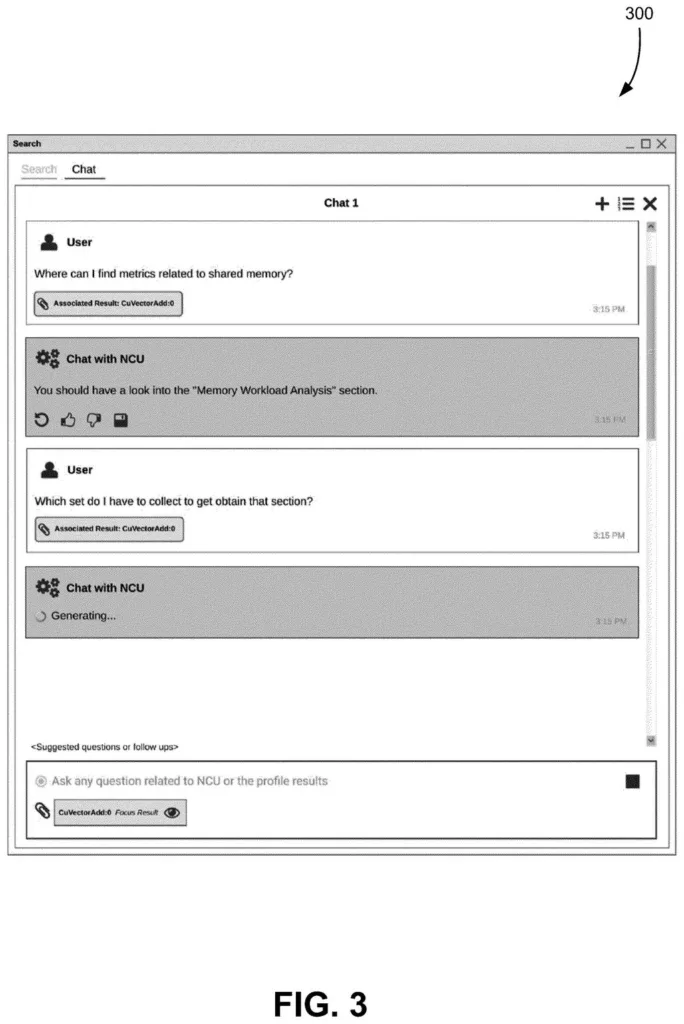
This tool is designed to go beyond simple game optimization. The patent suggests applications for various workloads, including compute kernels and general GPU programming, making it relevant for both game developers and high-performance computing specialists.
Distinguishing this from Project G-Assist
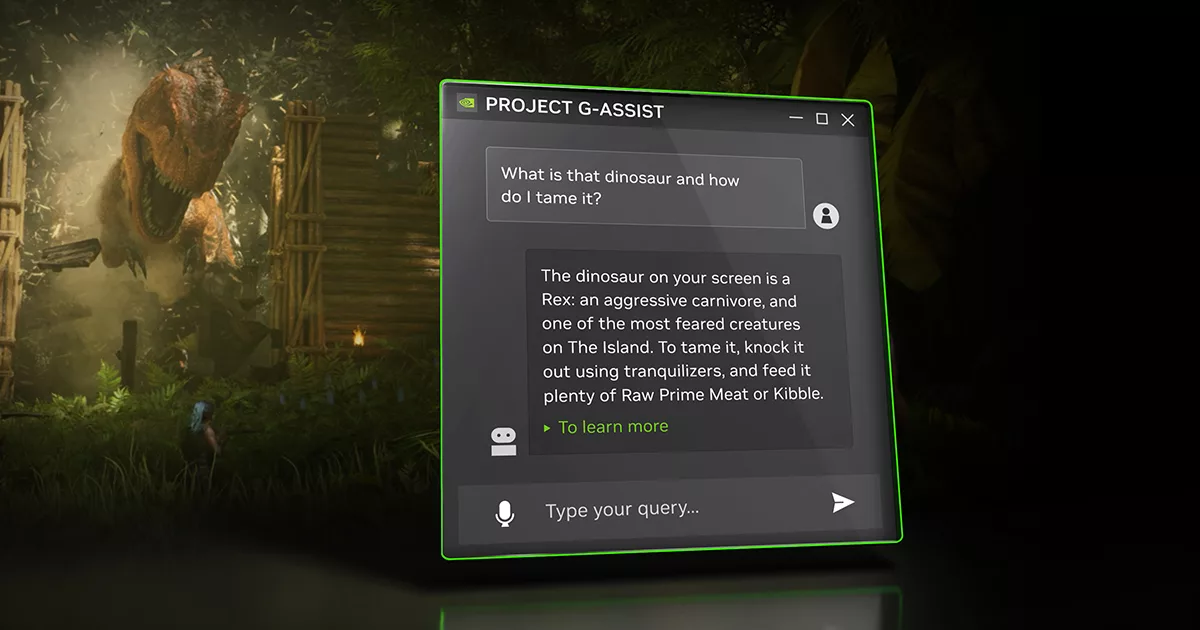
It is important to distinguish this professional-grade tool from Project G-Assist, which is already available within the NVIDIA App for end-users. While G-Assist focuses on consumer-facing metrics—such as reporting FPS, temperatures, or suggesting graphics settings—this new patented system targets the underlying code and performance data. It is a shift from reporting *what* is happening to explaining *why* it is happening at a structural level.
Verdict: An analytical assistant, not an automated fixer
It is crucial to note that this AI is not intended to automatically fix broken code. Instead, it serves as a sophisticated diagnostic partner. By identifying potential bottlenecks and simplifying the navigation of complex performance reports, it could significantly lower the barrier to entry for indie developers and smaller studios who may lack the deep expertise or time required for manual, low-level profiling.
Зануда
