

Changing Acquired Studios' Core Identity Leads to Doom, Says Nightdive Studios CEO
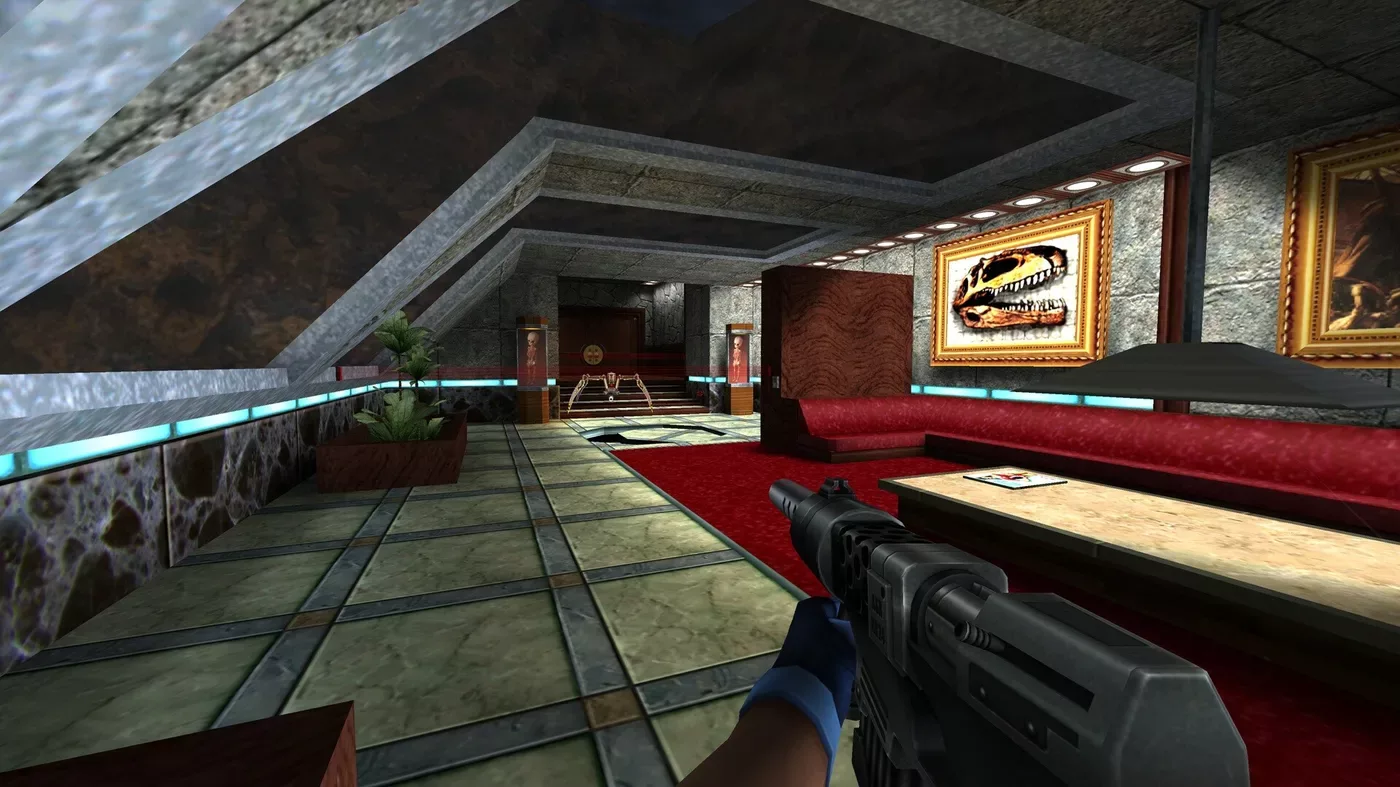
In the current gaming landscape, the word "acquisition" often triggers fears of mass layoffs and restructuring. Following the wave of mergers between 2020 and 2022, many companies have faced severe cuts. However, Atari has taken a different path, continuing its acquisition spree through 2026 without the typical fallout. One of its key acquisitions, Nightdive Studios, is thriving, and CEO Stephen Kick attributes this success to a simple reason: Atari has not interfered with the studio's specialized business model.
The core mission of Nightdive Studios involves scouring the wreckage of defunct studios to find source code and assets, bringing classic titles back to life. In studying the history of failed studios, Kick has identified a recurring pattern: companies that force newly acquired teams to alter their practices or chase market trends often end up closing those studios years later.
Kick cites Electronic Arts as a primary case study. Following the recent shutdown of BioWare—the developer behind Mass Effect and Dragon Age—the publisher's history shows a pattern of losing beloved subsidiaries. Studios like Bullfrog Productions, Westwood Studios, and Mythic Entertainment all suffered similar fates after being absorbed. According to Kick, these teams struggled because their new owners tried to "fit a square peg into a round hole," forcing them into rigid corporate systems that stifled the very creativity that made them successful in the first place.
This practice, Kick argues, disrupts a healthy industry ecosystem. He points to the importance of niche genres, citing New Blood as an example of a publisher that successfully invests in the "boomer shooter" genre. This creates a complementary cycle: new developers create modern experiences inspired by the classics, while studios like Nightdive Studios provide the original inspirations that built those communities.
While Atari's hands-off approach might not be a universal solution, it demonstrates the value of a long-term perspective. By allowing studios to maintain their core identity, publishers can ensure their output remains relevant even as audience tastes shift back toward revitalized classic genres.
Флешка
