

Musk says ASML and suppliers will expedite shipments to Terafab for Q3-Q4 2028 production target
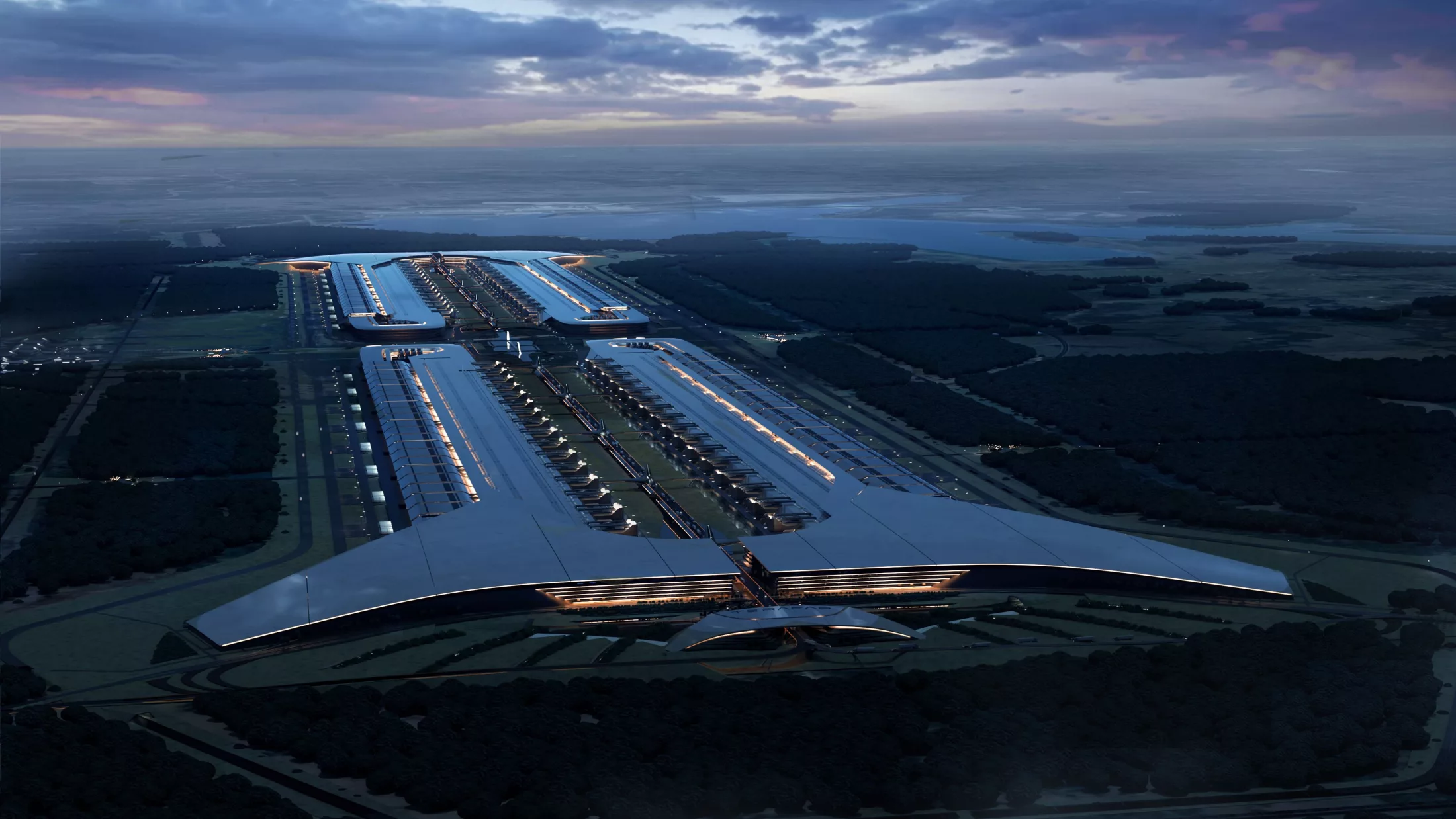
Elon Musk has announced that ASML and other critical semiconductor equipment suppliers will expedite shipments to the ambitious Terafab manufacturing facility. This joint megaproject between Tesla and SpaceX aims to achieve volume chip production at its primary site in Gibbons Creek, Texas, by the third or fourth quarter of 2028 (Q3-Q4). Musk emphasized that this timeline is "highly aspirational" and carries "big error bars."
Terafab's Ambitions and Technological Foundation
Terafab is a planned multi-billion-dollar, vertically integrated chip factory with a massive goal of manufacturing 1 TW of AI computing power per year. The facility intends to fabricate logic, memory, and advanced packaging architectures all in one location. To achieve this, the project will utilize traditional extreme ultraviolet (EUV) lithography systems based on Intel's 14A manufacturing node technology.
In April 2026, Intel officially joined the Terafab venture to help co-develop and refactor silicon fabrication technology. ASML, the world's sole commercial supplier of the $400 million EUV lithography systems required for leading-edge production, remains the project's most critical partner. While unofficial sources suggest the first EUV tool was slated for delivery in mid-2027, it remains unclear if this aligns with the expedited timeline mentioned by Musk.
Other major suppliers include Applied Materials, Lam Research, KLA Corporation, and Japan's Tokyo Electron. Additionally, Tesla and SpaceX are in discussions with approximately ten South Korean equipment makers, including Hanmi Semiconductor and HPSP.
Musk's AI Infrastructure Roadmap
Beyond manufacturing, Musk outlined aggressive ambitions for his AI companies' computing capacity. He expects 2.5 to 3 GW of active capacity by the end of 2026 and stated he would be "surprised" if they do not reach a total of 13 GW of AI compute by the end of 2027.
To reach these milestones, SpaceX and xAI are aggressively procuring next-generation NVIDIA architecture. Musk announced plans to bring a massive 440,000-GPU NVIDIA "Vera Rubin" training cluster online by the end of Q2 2027.
The Terafab project aims to mitigate future shortfalls of cutting-edge AI processors from external foundries like TSMC, supplying chips for Tesla's self-driving vehicles, Optimus humanoid robots, SpaceX's orbital AI data centers, and the broader AI industry. However, some experts question the 1 TW ambition; for context, Gartner estimates the total global AI-optimized data center capacity will be roughly 44 GW by late 2026, which is only 4.4% of Terafab's planned output.
Гика
