

Modders unlock DLSS Multi Frame Gen on GeForce RTX 30 GPUs
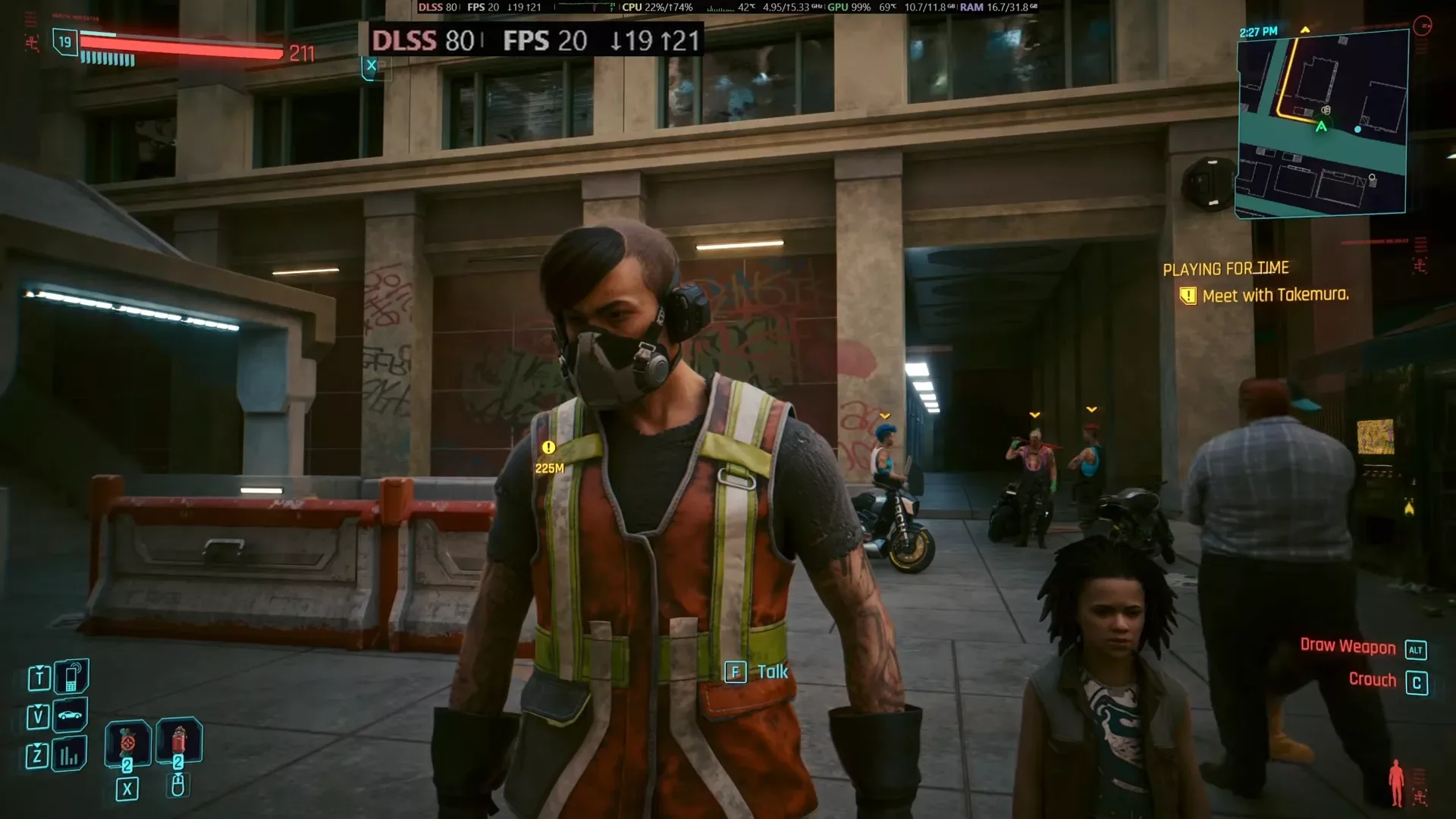
NVIDIA has officially restricted DLSS Multi Frame Gen to its latest Ada Lovelace and Blackwell architectures, but a community-led project called DLSSG SM86 has successfully bypassed this limitation on GeForce RTX 30 series GPUs. By adapting NVIDIA's own runtime for Ampere architecture cards, modders have unlocked both single and multi-frame generation capabilities without replacing the technology with AMD FSR. The solution involves a proxy layer that redirects requests to an SM86-compatible backend, allowing older hardware to utilize AI-powered optical flow models previously reserved for newer Tensor cores.
The Technical Breakthrough
Unlike previous workarounds that simply spoofed GPU names or replaced the frame generation engine with a competitor's solution, DLSSG SM86 operates by installing a proxy next to the game executable. This proxy redirects requests to a bundled DLSSG 310.1 runtime while supplying an SM86-compatible backend specifically designed for RTX 30 GPUs. The mod preserves NVIDIA's original models and pipeline, ensuring that the core technology remains intact even on older hardware.
Installation and Configuration
The installation process is straightforward: users simply need to copy a DLL file and an INI configuration file into the directory containing the game's executable. Once installed, the tool is ready to use out of the box, though advanced users can tweak settings such as the maximum number of additional generated frames. This flexibility allows enthusiasts to balance performance gains against potential latency issues according to their specific needs.
Performance and Latency Considerations
Initial tests conducted on an RTX 3080 Ti demonstrate that both 2X and 4X frame generation modes are functional. Video confirmation from a user running Cyberpunk 2077 shows the feature toggling seamlessly between single and multi-frame generation. While frame rates increase as expected with higher interpolation counts, the impact on input latency remains an open question. The mod relies on AI-powered optical flow models that leverage Tensor cores, a shift from the hardware-exclusive optical flow accelerators found in earlier RTX 40 series cards.
Community Impact and Future Outlook
This development sends a clear message to NVIDIA regarding their artificial restrictions on older hardware. For owners of GeForce RTX 30 series cards, this unofficial unlock offers a significant performance boost without requiring a hardware upgrade. However, enthusiasts are advised to temper expectations until further data becomes available regarding latency implications. If the mod proves that performance in this regard is comparable to newer architectures, it could create substantial pressure on NVIDIA to release an official means of enabling DLSS frame generation on Ampere GPUs in the future.
Гика
