

DirectX Raytracing: Microsoft Announces Major DXR Update
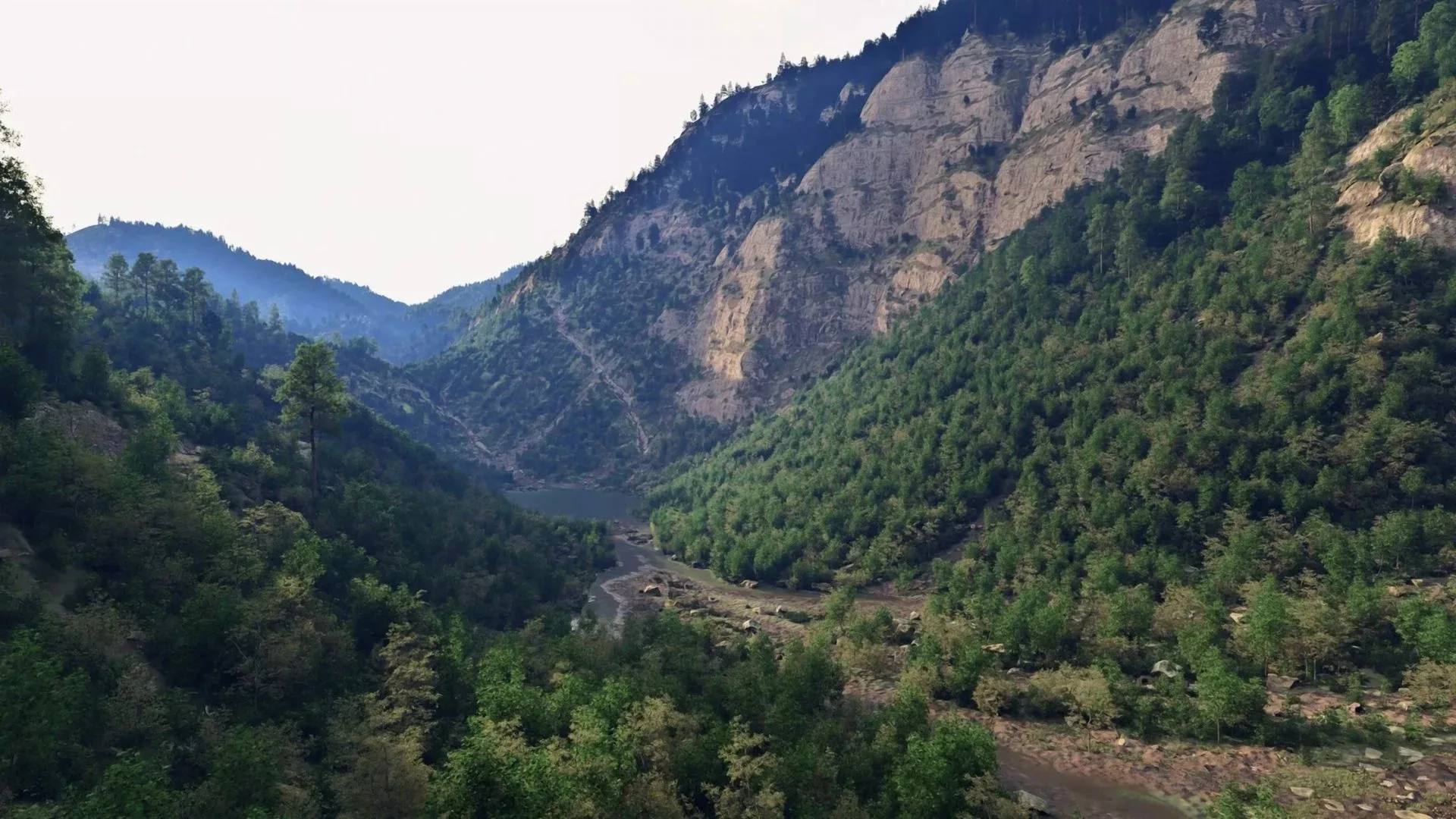
Microsoft has announced a comprehensive expansion of its DirectX Raytracing (DXR) interface. Through the DirectX 12 Agility SDK 1.722 Preview, the company is introducing new methods designed to accelerate the calculation of complex and dynamic 3D scenes. According to Microsoft, these updates represent the most significant evolution of DXR since its introduction in 2018.
New Geometry Management Technologies
The update centers on two new technologies: Clustered Geometry and Partitioned Top-Level Acceleration Structures (PTLAS). Both aim to reduce the computational overhead required to build and update acceleration structures (BVH), which can be taxing in detailed game worlds with numerous moving objects.
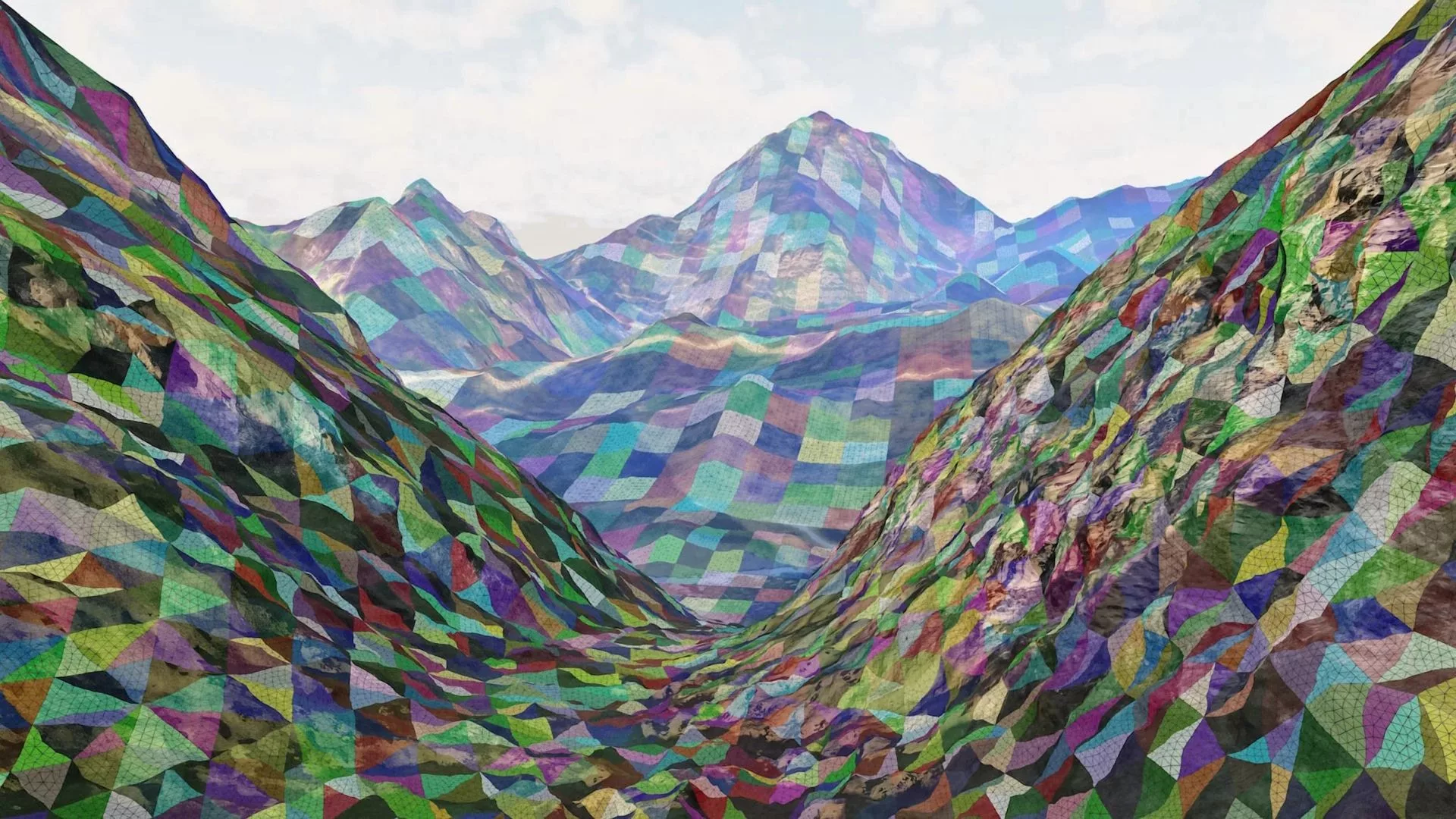
- Clustered Geometry organizes 3D objects into smaller, reusable clusters containing up to 256 triangles and vertices. Instead of rebuilding entire structures when an object moves, the system can update only specific units. This approach may also allow developers to use the same high-detail models for both rasterization and raytracing, bypassing the need for simplified proxy models.
- PTLAS operates at the scene level. It enables targeted updates for specific areas of a scene; if only a few objects move, the entire top-level acceleration structure does not necessarily need to be rebuilt. Additionally, Microsoft is introducing a unified, GPU-driven interface for building and updating these structures.
Performance Potential
The potential impact is demonstrated in a custom raytracing test scene using an AMD Radeon RX 9070. Switching from traditional Bottom-Level Acceleration Structures (BLAS) to Clustered Geometry increased the frame rate from 1.2 to 79 FPS—a roughly 66-fold improvement. Simultaneously, the time required to build the structures dropped from 788 ms to 3.11 ms.
For gamers, these changes will not result in immediate performance gains. The new features must first be implemented by game developers and supported by compatible drivers. In the long term, however, these enhancements could significantly reduce the resource requirements for geometrically complex environments and Path Tracing applications.
Гика
