From SRPG to Pachinko Roguelike: How Kniv Studio is Chasing the Next Dopamine Rush
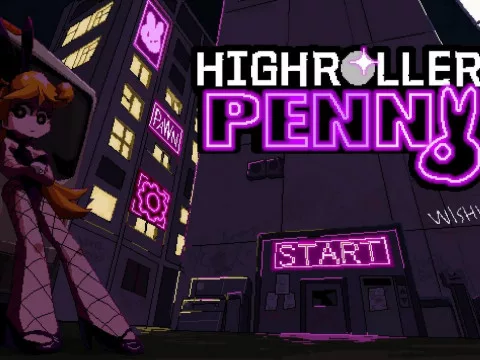
In the volatile world of indie development, a studio's ability to pivot without losing its soul is a rare feat. After capturing the attention of SRPG enthusiasts this past May with STARDUST: Wish of Witch, Kniv Studio is not resting on its laurels. Instead, the studio has pivoted from traditional turn-based strategy to a high-stakes, dopamine-fueled pachinko roguelike titled High Roller Penny. At G-STAR 2026, the studio's leadership shared insights into why they are trading tactical grids for underground gambling dens and how they plan to balance pure luck with strategic agency.
Kniv Studio, the team behind the critically acclaimed STARDUST: Wish of Witch, recently showcased their latest project, High Roller Penny, at the Unity World booth during G-STAR 2026. The game, which has already seen over 50,000 players during its Steam Next Fest run, presents a stark departure from the studio's previous work. Set in an underground pachinko parlor, the title follows a protagonist caught in life-or-death wagers alongside a syndicate of bunny girls. It is a concept designed to deliver immediate, visceral satisfaction through a high-risk, high-reward loop.
The Philosophy of 'Sharp Fun'
For CEO Jonghyun Hong, the shift in genre is not a sign of instability, but a commitment to a core philosophy. While STARDUST: Wish of Witch established the studio's ability to craft narrative-driven experiences, Kniv Studio's internal mission is to pursue what they call 'sharp fun'—intrinsic gameplay enjoyment that transcends specific genres. This philosophy allows the seven-member team to move fluidly between long-term projects and shorter, more experimental cycles.
The studio's recent success with STARDUST, which secured a console publishing deal and a Game of the Month award, has provided a foundation for growth. However, Hong is careful to protect the studio's flagship IP. While a sequel to STARDUST is planned for the future, the current focus is on rapid development cycles and testing market trends. This led the team to explore the intersection of pachinko mechanics and roguelike progression—a combination that has already garnered significant interest, with some players logging over 60 hours in the demo alone.
The Mechanics of Dopamine: Luck vs. Strategy
High Roller Penny distinguishes itself from other successful roguelikes, such as Balatro, by heavily integrating its narrative into the core gameplay loop. While many roguelikes focus on mechanical perfection, Kniv Studio has focused on 'thematic fun.' In this world, the bunny girls are not mere aesthetic additions; they are the creditors of the 'Yami-Pachi' syndicate. The player's survival depends on winning wagers against them, creating a dark, immersive atmosphere where every ball launched carries the weight of a debt.
A primary challenge in developing a physics-based roguelike is managing the tension between luck and player agency. Because the game relies on bouncing physics, outcomes are never perfectly identical, even with the same input. To prevent the game from feeling like a game of pure chance, Hong emphasizes a design where players feel they are 'designing the board.' By choosing where to place pegs and which items to purchase, players build an 'engine' that turns chaotic physics into predictable, high-scoring synergies.
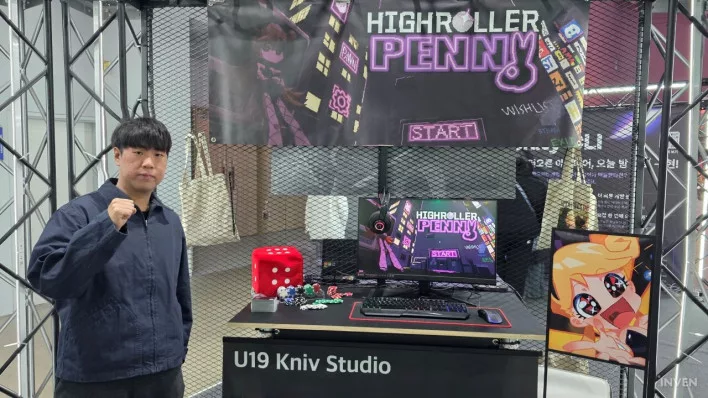
This 'engine-building' is the crux of the game's balance. The studio uses data from the demo to ensure that the difficulty curve aligns with the player's ability to generate points. The goal is to ensure that once a player's build 'clicks' into place through strategic purchases, the target scores remain challenging enough to maintain the thrill, preventing the gameplay from becoming trivialized by a completed setup.
In a recent interview, Kniv Studio shared deeper insights into the design philosophy behind High Roller Penny, focusing on how they balance strategic depth with the high-stakes tension of a gambling-themed roguelike. The studio emphasized that every mechanic, from the ability to liquidate assets to the specific visual quirks of characters, is intended to serve the core experience of 'dopamine-fueled' gameplay.
Strategic Liquidation and Character Identity
To facilitate the game's pachinko theme, Kniv Studio implemented a concept inspired by pachinko exchange booths. This allows players to freely buy and sell pegs and balls, providing the flexibility needed to pivot between different builds. This liquidation system is designed to encourage experimentation, allowing players to swap out components to find optimal synergies without being locked into a single strategy.
The studio also highlighted their commitment to narrative through character design. Even in a game with simple rules, they aim for deep worldbuilding. This is reflected in the highly detailed eye designs of the characters: Penny features 'roulette eyes,' Leona has 'swirl eyes,' and the yet-to-be-revealed Anna will possess 'sparkle eyes.' The studio intends to use vibrant, frame-rich animations to bring these characters to life, drawing on the expertise they utilized for their previous title, STARDUST.
Learning from Player Feedback
The development of High Roller Penny has been heavily influenced by player reception during Steam Next Fest and the October demo. One significant change involved the removal of 'negative multiplier zones'—areas where losing a ball would halve the player's score. While initially intended to add risk, data showed that losing a run at Stage 4-3 due to an accidental drop into such a zone felt overwhelmingly punishing. Consequently, these zones will be removed from the standard game and reserved for a future high-difficulty mode.
The studio also noted the importance of character voice and dialogue. After updating character lines four times during the demo, they realized how deeply players had already attached themselves to the existing dialogue. This experience has led the team to approach every line of dialogue with significantly more care to ensure it aligns with the characters' identities.
The Road to January 2027
With a release date set for January 12, 2027, Kniv Studio is significantly expanding the scope of the game. The full launch will feature nearly double the number of pegs and balls compared to the demo, alongside six additional bunny girl opponents (bringing the total to eight). New features include a 'Collection' system for unlocking items and lore, and a high-difficulty mode titled 'House Edge,' a term derived from casino mathematics.
A Massive Pipeline: Kniv Studio's Future
Kniv Studio's long-term strategy involves maintaining a rapid release cycle, aiming to release games every 3–4 months. Their roadmap includes several key projects:
To achieve this ambitious goal, the studio plans to operate three simultaneous pipelines: a long-term 2-year development cycle, a short-term 8–9 month cycle, and an external publishing pipeline, with a target of releasing approximately 4–5 games next year.