

Intel reportedly set to hike CPU prices by 10% ahead of March 2027 launch
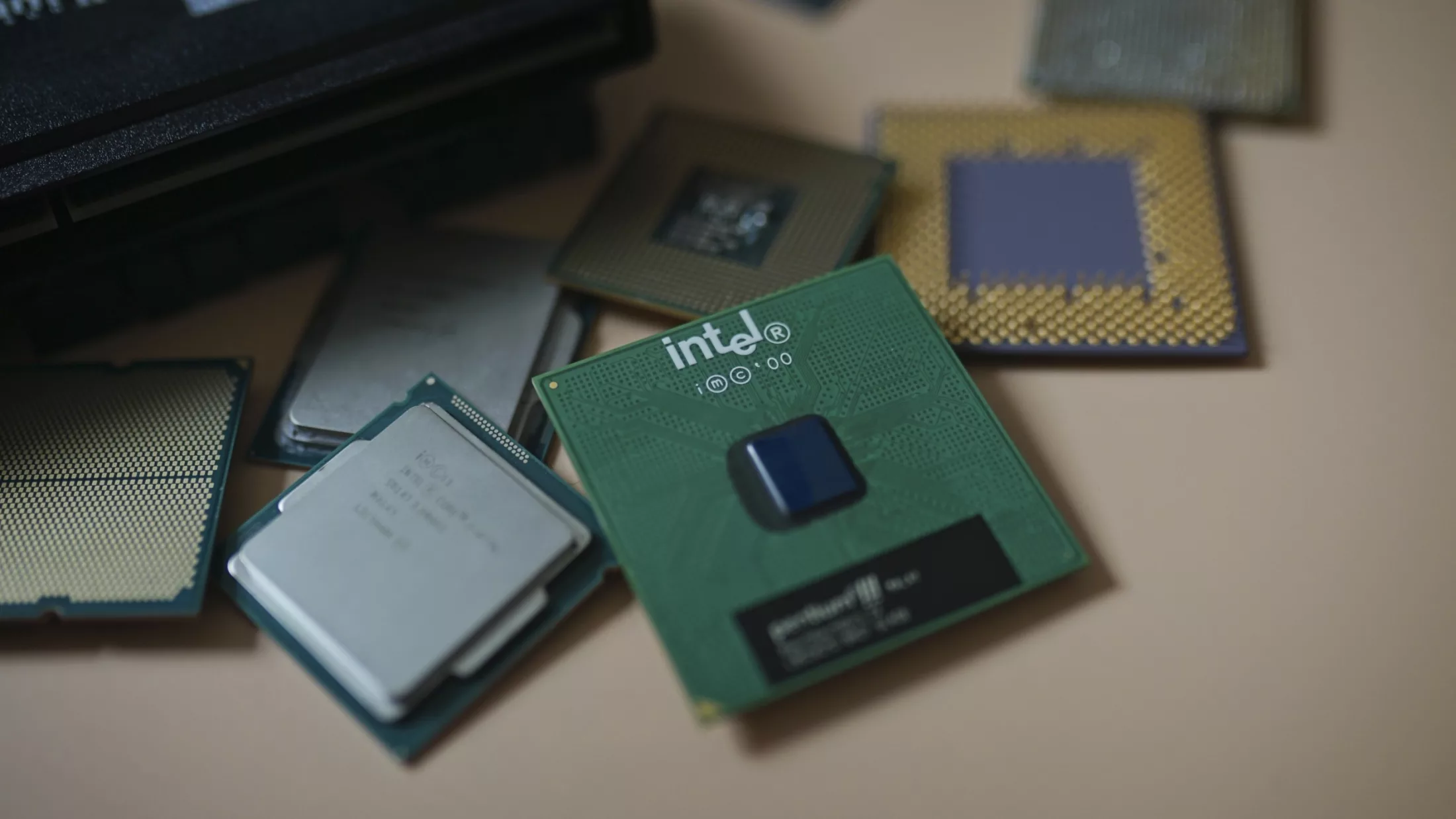
Intel reportedly plans to increase CPU prices by approximately 10% ahead of its major annual product launch scheduled for March 2027, according to a new report from DigiTimes. The outlet cites supply chain sources indicating that this price hike is part of a broader strategy to improve gross margins as the PC market continues to shrink. Additionally, the same sources suggest that AMD intends to follow suit with its own price adjustments between June and July 2027.
The report does not specify which exact products will be affected by these price increases. However, given Intel's recent focus on mobile and server segments—such as the Panther Lake architecture requiring high-speed LPDDR5X-7467 memory—it is likely that the hikes will impact those areas before reaching desktop client CPUs. Higher memory costs are already putting pressure on these segments, making price adjustments a logical step for maintaining profitability.
This move aligns with statements made by Intel's leadership in the past. In July, Intel's chief financial officer, David Zinsner, noted that client revenue had increased by 13% year-over-year, driven primarily by higher average selling prices rather than increased sales volume. This suggests that price hikes are a recurring strategy for Intel to offset rising component costs and market headwinds.
AMD's potential price increase is expected to coincide with the launch of its next-generation desktop CPUs based on the Zen 6 architecture, codenamed Olympic Ridge. AMD previously launched its first Zen 6-based server CPUs under the Venice name earlier this year. However, there has been no official announcement regarding a desktop version of Zen 6 yet.
Historically, AMD has maintained a two-year gap between major desktop CPU generations (e.g., Zen 3 to Zen 4, and Zen 4 to Zen 5). With the Zen 5 generation having just crossed the two-year mark, it would be unusual for a launch to be delayed until June or July 2027 unless external factors are at play. The explosive demand in server CPUs could have influenced AMD's launch plans, potentially causing a delay in the desktop release.
Industry analysts note that while Intel faces challenges with its new socket and motherboard partners already preparing boards for client parts, AMD has more flexibility. Since AMD's client parts do not equate to high enterprise volumes like Intel's, it can afford to prioritize enterprise allocations and push back the client release if necessary. This strategic difference could explain why AMD might delay its desktop launch despite the expected price increase.
The upcoming NVL launch from Intel has also drawn attention, as there have been no leaks regarding bLLC performance or benchmark software. This secrecy contrasts with previous generations, which often leaked early. The lack of leaks suggests that Intel is keeping its new products close to the vest, possibly due to the high stakes involved in the upcoming price adjustments and product launches.
Both companies are navigating a challenging market environment characterized by shrinking demand and rising component costs. While these price hikes may be necessary for maintaining profitability, they could also impact consumer adoption rates and overall market dynamics. The interplay between Intel's March 2027 launch and AMD's June/July 2027 response will likely shape the competitive landscape for desktop CPUs in the coming years.
For consumers and system builders, these developments highlight the importance of monitoring supply chain trends and component costs. As both companies adjust their pricing strategies, it will be crucial to observe how these changes affect product availability, performance, and overall value proposition in the evolving PC market.
Гика
