

Intel Razor Lake May Finally Take On AMD 3D V-Cache In Gaming Laptops
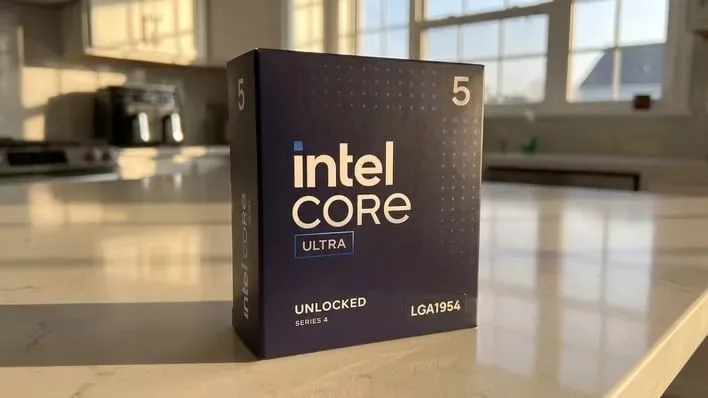
Leaks indicate that Nova Lake processors, which will form the basis of the Razor Lake architecture, will feature new cores: P-cores named Coyote Cove and E-cores named Arctic Wolf. A key innovation will be the introduction of a large L3 cache (bLLC) on certain models. This is critical because modern games are highly sensitive to memory bandwidth, and a large local cache reduces trips to main RAM, directly impacting gaming FPS.
However, there is a crucial caveat: the insider clarifies that chips with bLLC will be available only for desktop systems within Nova Lake. For mobile platforms (laptops), Intel is not yet ready to introduce this technology in the current generation. Full mobile Razor Lake processors with bLLC support are expected no earlier than late 2027 or later.
It is also worth noting that the Razor Lake-AX lineup, positioned as a competitor to AMD's Strix Halo, will not initially include bLLC. Additionally, some Razor Lake crystals will be manufactured using TSMC's N2X process, though this applies only to a portion of the architecture's tiles.
Some Razor Lake processors may be rebranded versions of Nova Lake chips. The insider notes that the Griffin Cove core used in some Razor Lake models is a completely new architecture and differs from Coyote Cove in Nova Lake. This could lead to significant performance differences even within the same processor family.
Currently, there are no independent benchmarks for these chips. We await official reviews to assess the real-world effectiveness of bLLC in games and compare it with AMD's 3D V-Cache. For now, enthusiasts will have to settle for competitor solutions or wait for Intel's next generation.
Гика
