
Intel plans ~10% CPU price hike in October, but confirms nothing yet
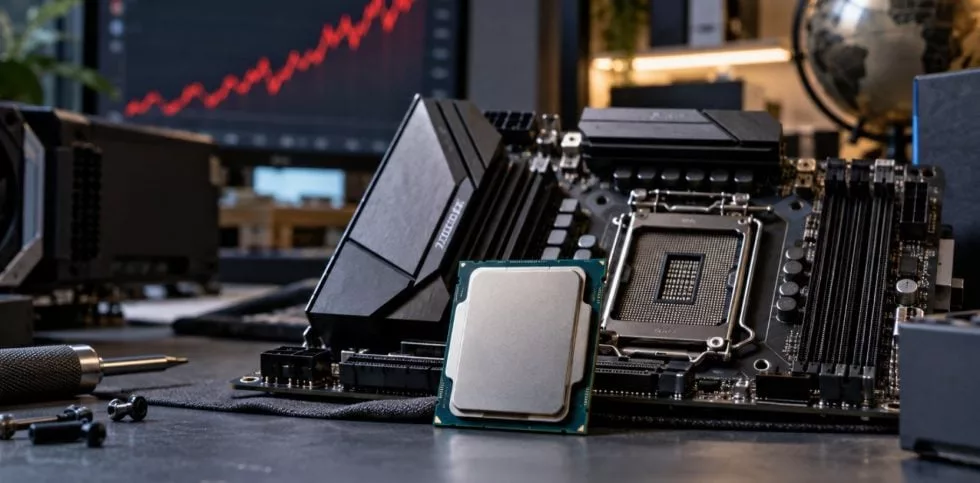
Intel is reportedly preparing for another significant price hike on its PC processors in early October 2026, with supply chain sources indicating a potential increase of around 10 percent. While the manufacturer has not officially confirmed this specific figure or announced new pricing lists yet, recent financial reports and strategic shifts suggest Intel is moving away from volume-based growth toward prioritizing profitability.
According to a report by DigiTimes dated September 8, 2026, Intel plans to implement these price increases across its CPU lineup. The company has so far declined to comment on the specific details when approached by media outlets. This development aligns with a trend that began in late 2025, where supply chain insiders noted price jumps of roughly 10 percent in the first quarter alone. Earlier adjustments in July already affected select client and server processors, with some models seeing increases ranging from hundreds to over $1,000 USD.
The report does not specify which exact desktop or mobile models will be impacted by the October changes. It remains unclear whether current-generation Core Ultra desktop chips will face immediate price hikes or if Intel is focusing primarily on notebook and OEM partners with new terms. Without an official price list, the specific timing—cited as early October or potentially around October 5—and the exact percentage should be treated as unconfirmed until verified by Intel directly.
Intel's own financial disclosures provide context for this pricing strategy. In its second-quarter 2026 earnings report, the company highlighted a 27 percent increase in average selling prices (ASP) for client products compared to the same period last year, despite an 8 percent drop in unit shipments. Intel attributed this to a higher mix of premium products and demand-based price adjustments intended to offset rising input costs.
Supply chain sources cite increasing costs for DRAM, printed circuit boards, and other components as key drivers behind these decisions. Beyond component inflation, there appears to be a strategic shift under CEO Lip-Bu Tan. Intel is reportedly scaling back products with weak margins, including the potential discontinuation of its "Small-Core" line used in industrial PCs and IoT systems. This move signals a broader pivot: rather than defending market share through low prices, Intel is leveraging strong demand for specific processors to drive up average revenue per unit.
For end-users building gaming PCs, the impact depends heavily on which models are affected and how much of the increase translates to retail shelf prices. Retailer stock levels, OEM contracts, and regional demand can buffer or amplify these changes. Intel has already demonstrated that it can grow revenue without increasing volume, as seen in Q2 2026 where revenue rose despite fewer units sold.
Until Intel officially confirms the new pricing structure and specific affected models, the reported 10 percent hike remains a well-sourced rumor rather than a finalized fact. If this increase materializes alongside continued high prices for RAM, motherboards, and other components, building a new PC will become increasingly costly. Consumers should expect volatility in the coming months as Intel executes its new profitability-focused strategy.
Гика
