
How Probably Stolen transformed from a failed demo into a cyberpunk hit
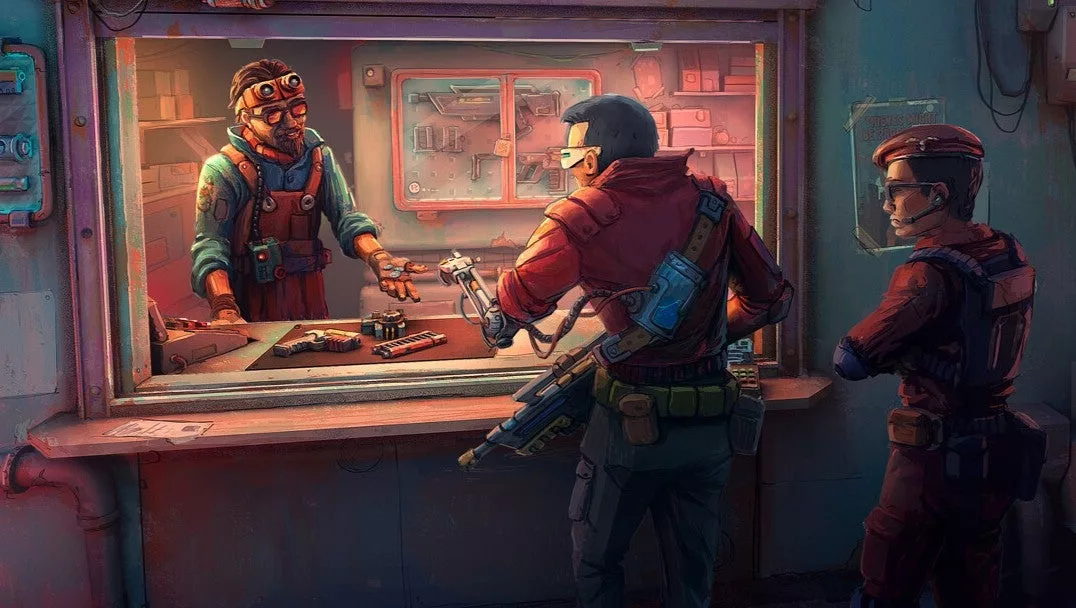
The success of Probably Stolen – Cyberpunk Shopkeeper Sim on Steam is a rare turnaround story. After its initial demo failed to gain traction, a complete shift in art direction and setting helped the title reach massive numbers, proving that even a project seemingly destined for obscurity can find a second life with the right creative pivot.
Probably Stolen has recently seen a massive surge in popularity, reaching a peak of over 162,000 concurrent players on Steam. This level of engagement is particularly striking given the game's origins. Before its current cyberpunk identity, the project was a non-cyberpunk kiosk job simulator titled Deepspace Emporium. While the original version still maintains a presence on Steam, it appeared to be a project that might have faded into obscurity without significant intervention.
The transformation was driven by publisher tinyBuild and developer Questing Goose. According to tinyBuild CEO Alex Nichiporchik, the original demo for the project was far from a success, peaking at only 28 concurrent players. Rather than abandoning the concept, the publisher decided to work with the developers to reinvent the visuals and refine the core gameplay mechanics to focus on what worked best in the design.
From kiosk sim to space station economy
Despite the change in aesthetic, the core gameplay loop remains centered on high-stakes haggling and market management. Players act as shopkeepers, buying and selling goods of varying quality and legality to navigate a fluctuating market and pay rent. The experience draws parallels to titles like Papers, Please, but with a sci-fi twist: instead of checking identity documents, players might be inspecting fake watermarks on cigarette packets or deciding whether to stock contraband weaponry. The gameplay also involves navigating the interests of various factions, ranging from station security to underworld barons.
The current version of Probably Stolen leans heavily into the Netrunner aesthetic, offering a wide variety of items and vocational paths. Players can specialize as a gunsmith or a chemist, dealing in everything from rat corpses and tins of caviar to robotic hands and scavenged shotguns. While the pixel art has been noted for its texture, the depth of the economy and the variety of tradeable goods appear to be the primary drivers of the game's current success.
Флешка
