?You'd be nuts to take on all of that in the first project, and yet here we are” – How Playground is finally making good on an all-new Fable
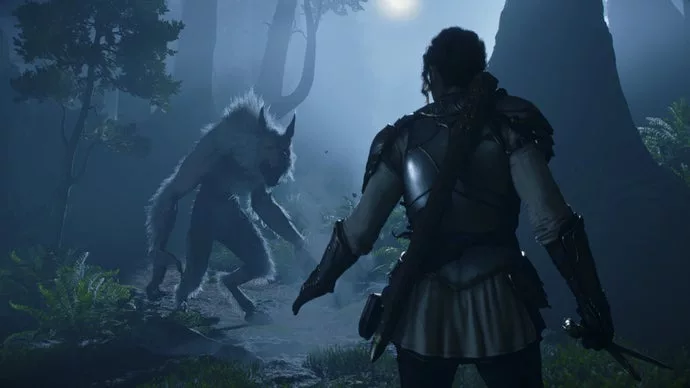
The journey to bring Fable back to life has been anything but simple. Following several delays—moving from a 2025 window to autumn 2026, and now finally landing on February 23, 2027—the development of the new Fable has become a massive undertaking for Playground Games. In a deep dive with GamesIndustry.biz, co-founder and Fable general manager Ralph Fulton opens up about the complexities of resurrecting a British classic, the weight of fan expectations, and the technical gamble of building an RPG on a racing game engine.
Developing a new IP is difficult enough, but rebooting a beloved franchise brings a unique set of pressures. For Playground Games, the task involves balancing the DNA of the original Lionhead trilogy with the high standards of the modern RPG market. Fulton admits that the scope of the project is massive, driven by the necessity of hitting several critical pillars that define the Fable experience.
The Six Pillars of Fable
Fulton explains that while a new IP might allow a studio to cut certain features to save time and resources, Fable does not have that luxury. To satisfy the expectations of the community, the team had to get six specific elements right: a compelling story with high-stakes drama, memorable characters, a sense of humor infused with British wit, engaging combat, a structured quest system, and the living, breathing world of Albion, complete with its social and economic simulations.
“You'd be nuts to take on all of that in the first project, and yet here we are,” Fulton says, acknowledging the sheer scale of the ambition. This ambition is reflected in the game's evolving technology. Rather than looking solely to the original trilogy for inspiration, the team has looked toward modern benchmarks like The Witcher 3 and the evolving RPG elements in the Assassin's Creed series to ensure the game meets contemporary player expectations.
Simulating Life and Morality
One of the most distinctive features of the franchise is its approach to morality and social simulation. While many modern RPGs have adopted nuanced morality systems, Fable aims to integrate these choices into a more granular, systemic world. This includes a focus on how the player's actions ripple through the world's economy and social structures.
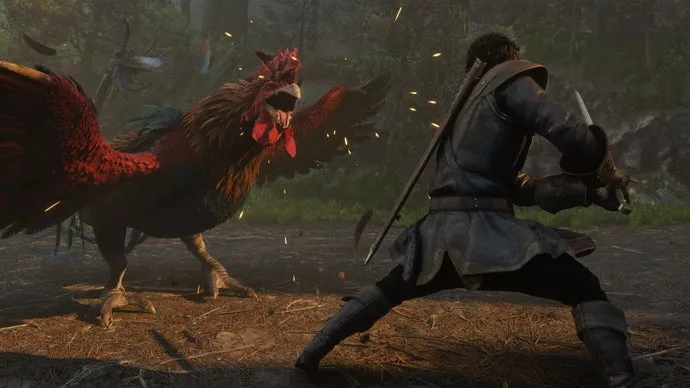
However, the team has been careful not to fall into the trap of infinite complexity. Fulton notes that they made a strategic decision to model only first and second-degree ripple effects. This prevents the development from spiraling into an endless 'rabbit hole' of systemic consequences that might be too complex for players to perceive or for developers to balance. Instead, they embrace the 'systemic humor' that arises when these complex simulations interact in unexpected, often bizarre ways.
The ForzaTech Engine: A Racing Foundation for an RPG
Perhaps the most surprising aspect of the project is its technical foundation. Despite being an RPG, Fable is being built on the ForzaTech engine, the same technology powering the successful Forza Horizon series. To an outsider, using a racing engine for an open-world RPG might seem like an odd choice, but Fulton argues it was a calculated, strategic move.
“It's only really the top layer that makes it a racing engine, but the layers beneath that make it a great engine for us to develop in,” Fulton explains. The core architecture provides powerful rendering capabilities that allow for breathtaking visual fidelity. However, this choice has required the team to build massive new systems from scratch that the Forza series never needed, including advanced character animation for cinematic storytelling, deep quest systems, and complex NPC performance capabilities.
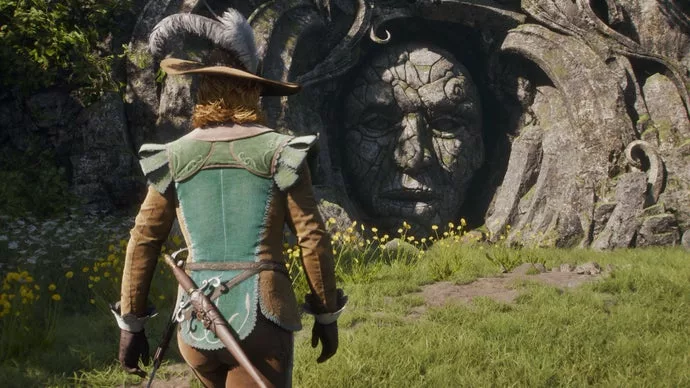
Ultimately, the decision to stick with ForzaTech was about predictability and expertise. The team knows how to ship successful titles using this engine, and in the high-stakes environment of game development, knowing the path to completion is a vital asset.
In an interview regarding the development of the new Fable, Playground Games highlighted the internal culture and the immense scale of the production. The studio noted that their reputation, built on the success of the Forza Horizon series, has been a significant benefit during the development process. Regarding the project's timeline, the team emphasized that decisions to move the launch date back were made through collective involvement and transparent communication, ensuring that the internal narrative remained clear to everyone involved.
A Mammoth Voice Production Effort
Addressing the complexity of the game's audio, the developers confirmed that the voice production has been a massive undertaking. This year alone, the team dedicated a thousand hours across multiple studios to manage the sheer volume of content. The production involves over 100 voice actors from across the UK, who have recorded more than 150,000 lines of dialogue.
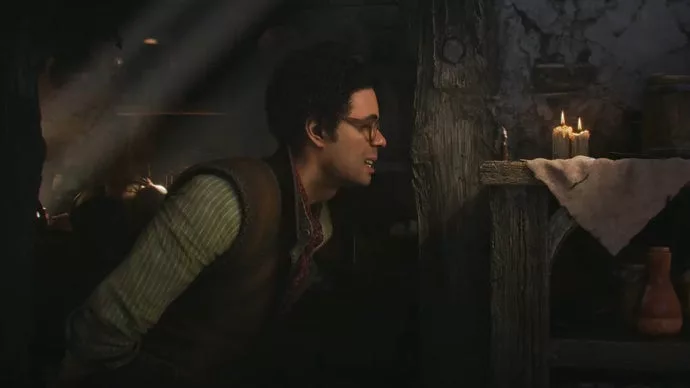
A key goal for the audio team was to move beyond standard fantasy tropes by incorporating a wide variety of regional accents. By including voices from Sheffield, Belfast, Edinburgh, and other areas, the developers aim to enhance the game's inherent British humor and authenticity.
Representing Modern Britain
The casting process was driven by a desire to represent modern Britain. The studio approached a 'wishlist' of admired performers, which resulted in collaborations with actors such as Hayley Atwell. The developers noted that the character of Isabel was a particular point of interest for Atwell during the casting process.
Evolving the Combat System
The developers addressed the evolution of Fable's combat, acknowledging that while the original trilogy prioritized approachability—which some perceived as simplicity—the new project seeks a different balance. The team's approach involves analyzing the successes and shortcomings of the original trilogy while simultaneously benchmarking against the contemporary competitive landscape. The goal is to create a combat system that stands shoulder to shoulder with modern standards while maintaining the series' core identity.