Has Rockstar taken the 'Grand Theft Auto' out of GTA 6?
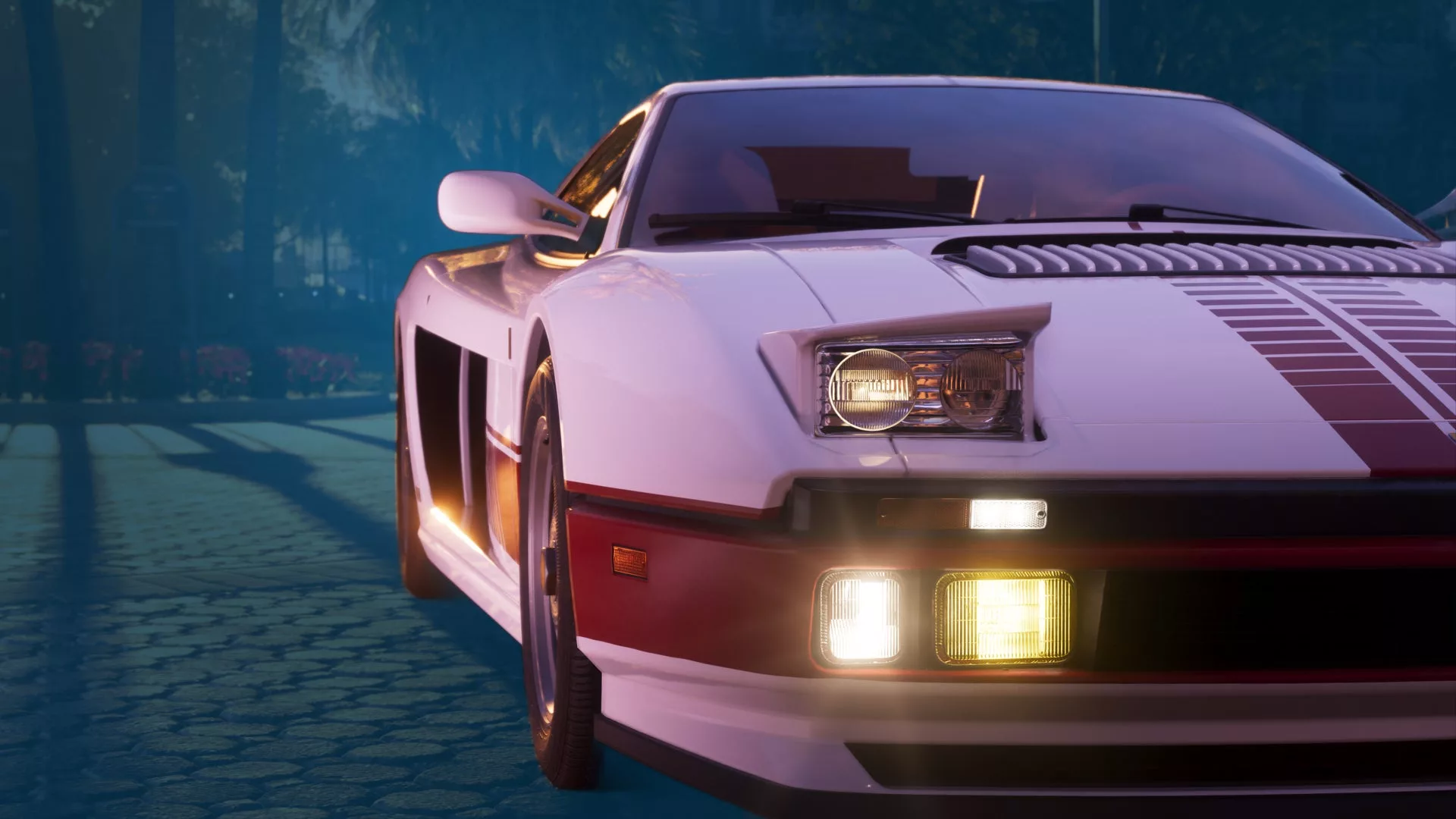
In the modern gaming era, it is almost inevitable that a major release will face backlash from players who feel the final product deviates from their pre-release expectations. Currently, that friction is centered on Grand Theft Auto 6 and its revised approach to its namesake crime. Far from being a simple, mindless loop of hijacking vehicles for quick getaways, carjacking in Leonida has been transformed into a high-stakes, systemic ordeal that demands more from the player than just a quick sprint to a parked car.
For decades, the 'Grand Theft Auto' loop has been a predictable, almost rhythmic part of the gameplay: accept a mission, nick a car, complete the objective, and find a new ride for the getaway. This mechanic became so iconic that titles like Watch Dogs, Saints Row, and Cyberpunk 2077 have all adopted variations of it. However, in GTA 6, the act of stealing a vehicle is no longer a low-effort convenience; it is a calculated risk with immediate, often violent, consequences.
The world of Leonida does not take kindly to wanton theft. While you can still approach an occupied vehicle and attempt to take it from its owner at any time, the residents are no longer passive NPCs. Many motorists will fight back, draw weapons, or even attempt to run you over mid-robbery. The chaos can escalate in unexpected ways: players have reported encountering aggressive pets inside hijacked cars, hearing muffled cries from hostages in trunks, or even facing the wrath of a frustrated owner who has had their vehicle stolen multiple times in a single session.
A Tutorial in Consequence
This increased difficulty seems to be a deliberate design choice by Rockstar to teach players the value of their own property. Early in the game, players are given a personal vehicle—Jason's two-door coupé utility, a Vapid Creado—and are encouraged to bond with it through tutorials on repairing, customizing, and maintaining its condition. This emotional investment makes the sudden loss of a vehicle during a botched crime feel much more impactful.
The mechanics of theft also evolve as the narrative progresses. While early-game theft is crude, players unlock a 'slim jim' around the ten-hour mark (Chapter 2). This tool allows for more sophisticated entries, enabling players to break into locked cars without smashing glass or triggering alarms—actions that previously lowered a vehicle's resale value. However, as the game moves further into its 2026 setting, even these tools become obsolete against modern technology.
The High Cost of Modern Theft
In a world of keyless fobs and advanced tracking, stealing a high-end vehicle like a Zorruso is a different beast entirely compared to an old Vapid truck. Advanced trackers pose a significant threat: boosting a car with one immediately alerts the police to your exact location. To survive, players must drive fast and clean to outrun the signal ping before the tracker deactivates, often resulting in vehicle damage that makes selling the car to fences a much less profitable endeavor. In fact, some fences won't even accept vehicles with active trackers until much later in the game.
While some might argue that this makes carjacking a 'faff,' it is a masterclass in immersion and narrative dovetailing. By making theft more difficult and awkward, Rockstar forces the player to act like a thoughtful criminal rather than a mindless thug. You have to consider getaway routes, the 'heat' on your vehicle, and whether a stolen car is actually worth the risk of a police pursuit. It turns a simple gameplay loop into a meaningful part of the simulation, making every decision feel like it belongs in the world of Jason and Lucia.