

Graphics Card Prices Surge: International Survey Shows 35% Increase in Three Months
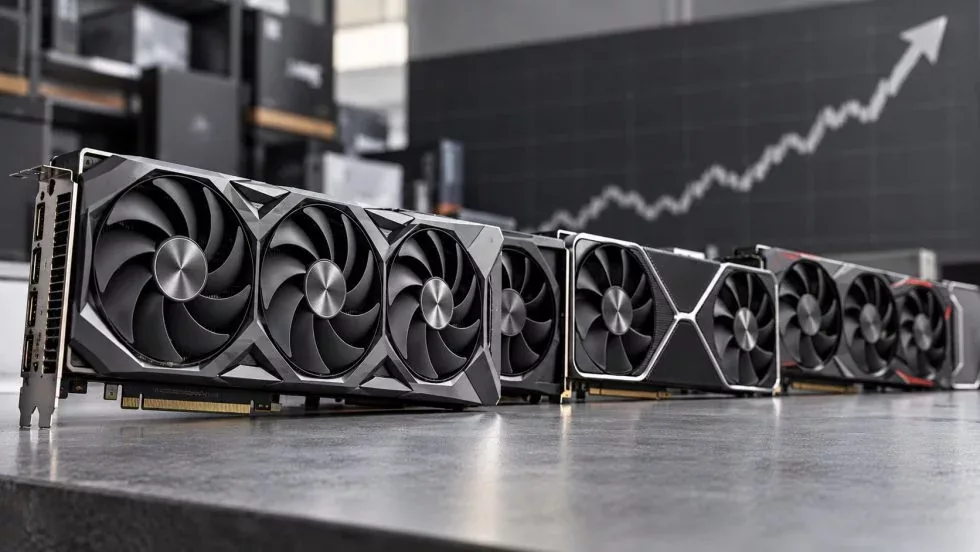
The graphics card market is seeing a significant price hike. According to a recent international survey by Hardware Unboxed, cumulative prices have risen by approximately 35% over the last three months. Trends observed in Germany via the 3DCenter index mirror this global movement, showing that price increases are no longer limited to high-end models but are now impacting the mid-range segment as well.
The Hardware Unboxed study covered ten countries, including Germany, the USA, the UK, Canada, Australia, and Poland. The methodology focused on the lowest available retail price for the cheapest deliverable model of each GPU, rather than the average selling price across all board partners. The data reveals a compounding trend: after a 15% increase in August and 7% in September, prices rose by another 11% in October, resulting in a cumulative three-month increase of roughly 35%.
Blackwell Flagships See Extreme Spikes
NVIDIA's high-end Blackwell models showed the most dramatic price shifts. On average, the RTX 5090 saw a 32% monthly increase, while the RTX 5080 rose by 22%. In Germany, the lowest observed price for the RTX 5090 jumped from €5,640 to approximately €8,000. However, these extreme outliers in the high-end segment can significantly skew overall market statistics and should not be used to characterize the entire GPU market.
Mid-Range Models Also Affected
The October price index from 3DCenter confirms that the upward trend has reached the mid-range market. For instance, the cheapest available Radeon RX 9070 XT rose from €750 in September to €835 in October. Similarly, the RTX 5070 increased from €730 to €834, and the RTX 5080 went from €1,389 to €1,579. Even budget-oriented cards are seeing hikes: the RTX 5060 rose from €399 to €449, and the Arc B580 from €323 to €369. Across 14 models tracked in Germany, the average monthly increase stood at 15.6%.
Drivers of the Price Surge
The price escalation is driven by a combination of factors rather than a single cause. Key contributors include rising memory prices, component shortages, limited availability of specific GPU models, and high demand for semiconductor manufacturing capacity. This multi-faceted pressure is what drives the cumulative price increases observed in the recent data.
Гика
