

Gears of War: E-Day: A Leap Forward with DLSS 4.5 and RTX Mega Geometry
Gears of War: E-Day is available starting today via Premium Edition Early Access, with a general release scheduled for October 6th. This prequel follows Marcus Fenix and Dominic Santiago fourteen years before the original game, depicting the initial emergence of the Locust Horde. Beyond the origin-story campaign, The Coalition has included a reimagined Horde Siege PvE mode and Versus PvP.
Built on Unreal Engine 5
Developed using Unreal Engine 5 and DirectX 12, Gears of War: E-Day leverages advanced lighting and destruction. Key features include MegaLights, capable of rendering ray-traced shadows from up to 100 light sources, and Lumen for ray-traced global illumination and ambient occlusion. These elements, combined with large-scale volumetric effects, aim to create the most visceral entry in the franchise to date.
Solving the Nanite Ray Tracing Dilemma
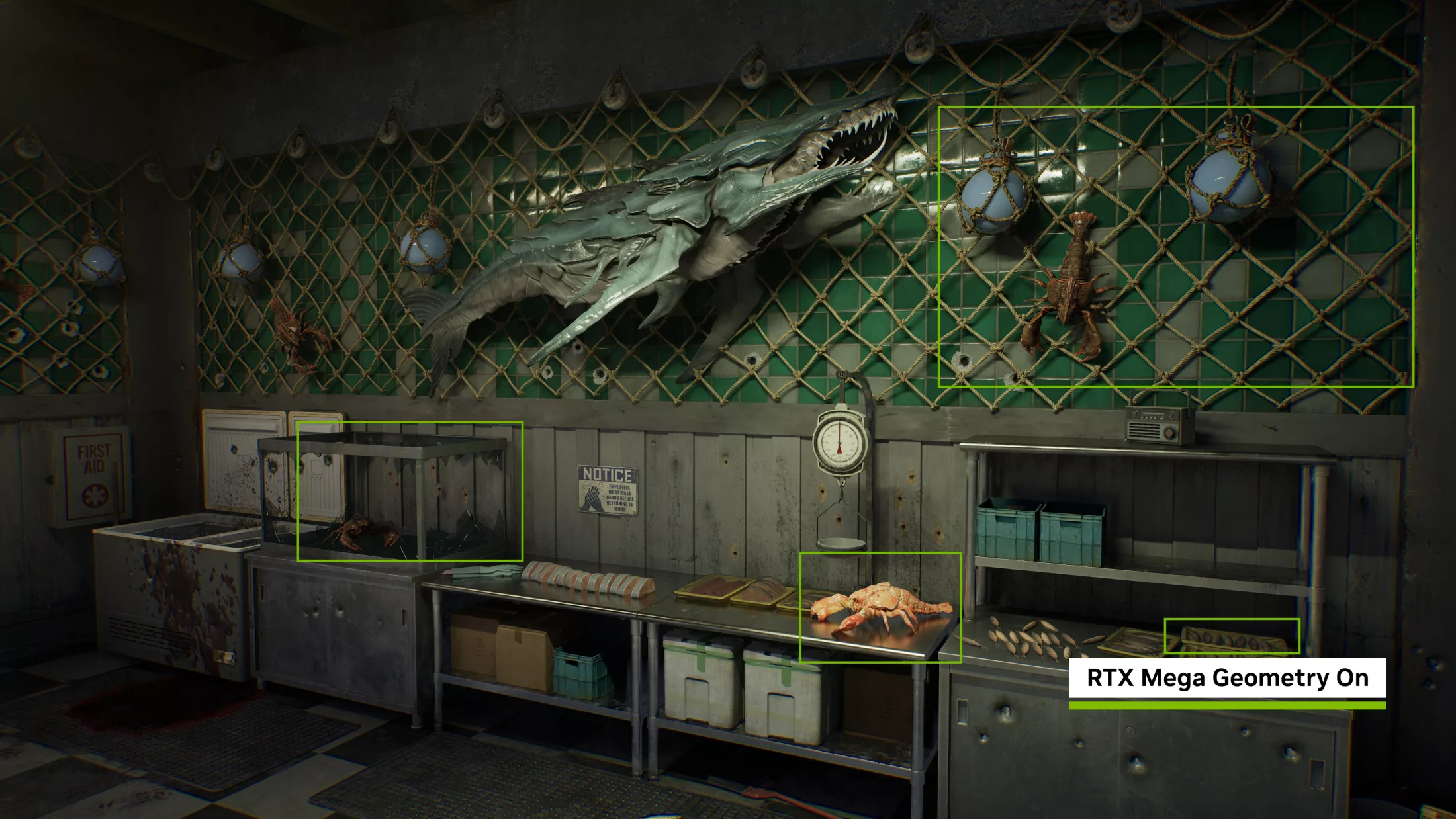
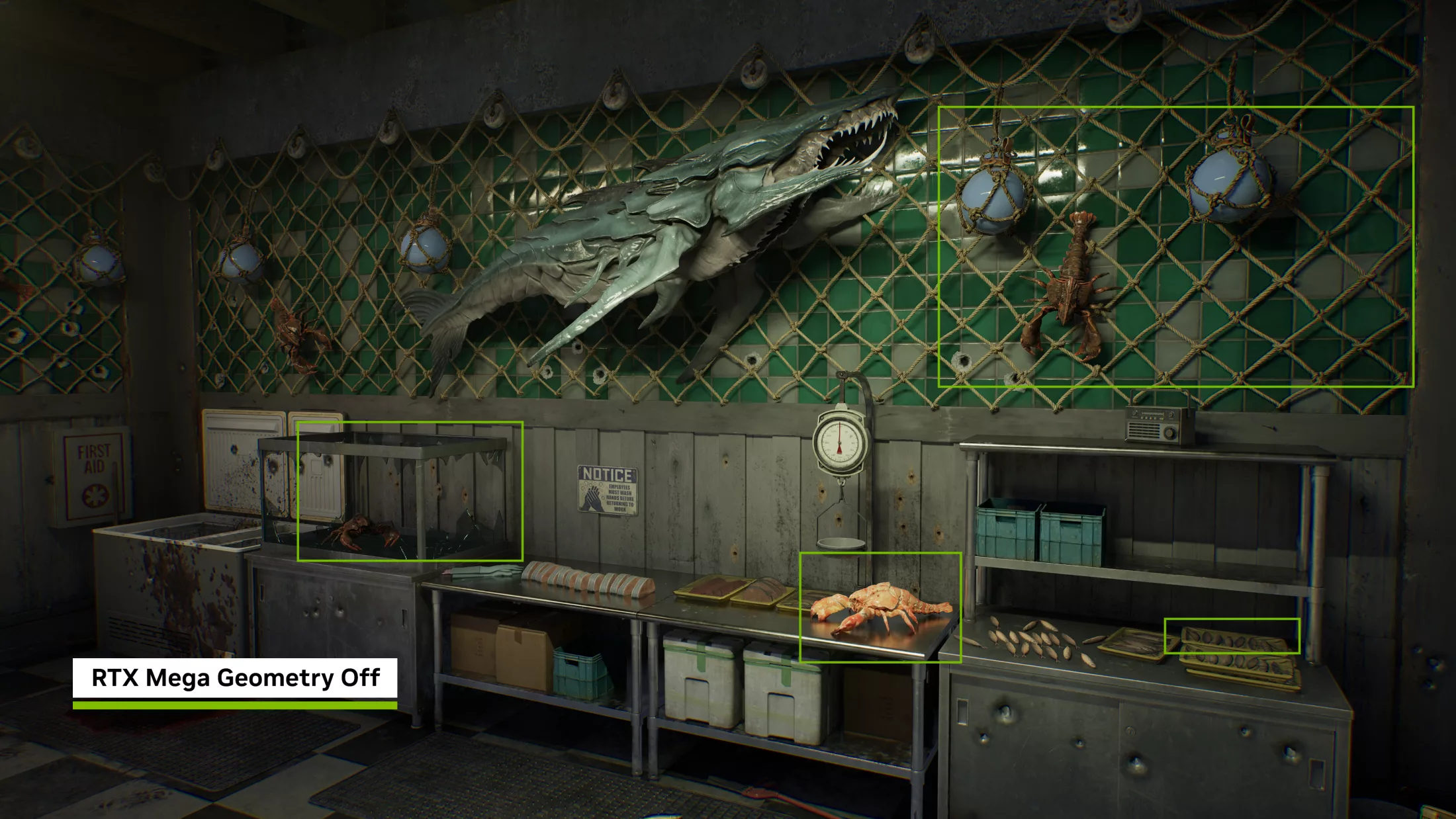
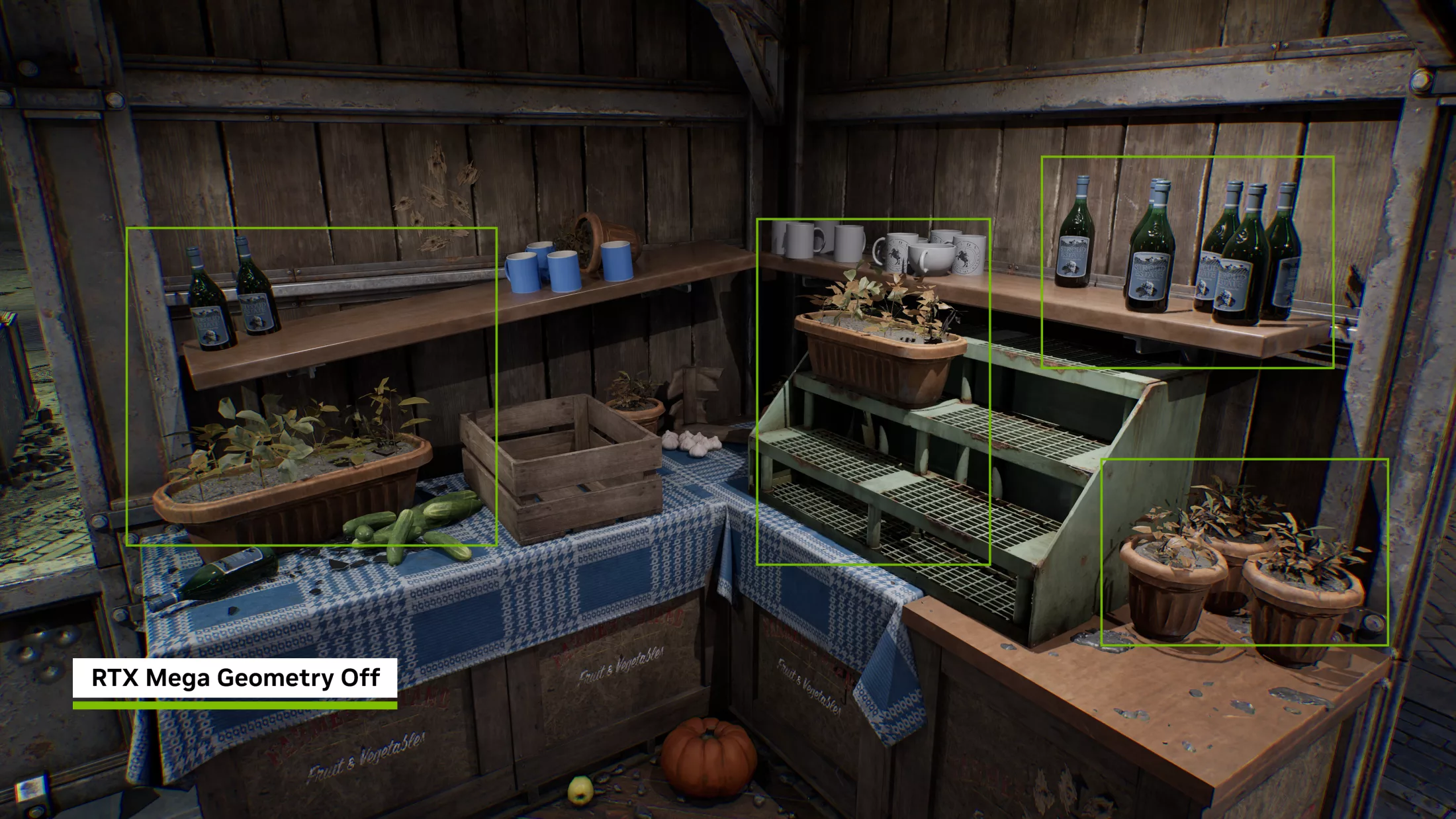
A significant technical hurdle in Unreal Engine 5 titles has been the interaction between Nanite and ray tracing. Due to the high computational cost of building acceleration structures for complex Nanite geometry under existing DXR 1.2 and Vulkan APIs, games often switch to a single, low-detail static mesh for ray-traced reflections and shadows. This mismatch causes visual discontinuities, where shadows appear incomplete or fail to align with the high-detail geometry visible to the player.
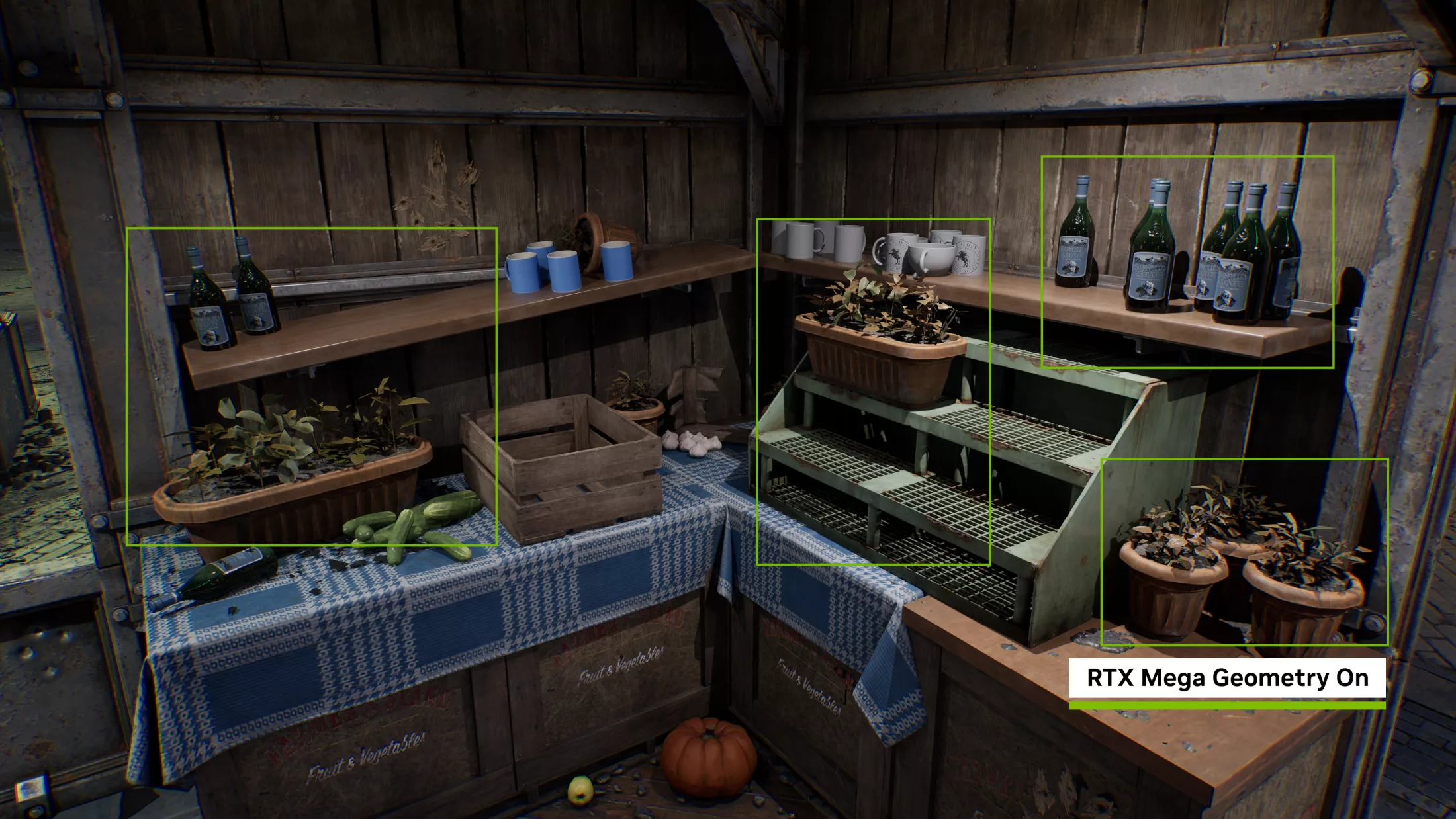
NVIDIA's RTX Mega Geometry, debuting in Gears of War: E-Day, addresses this by allowing ray-traced Nanite elements to maintain high geometric fidelity. This ensures that shadows from complex objects—such as ropes, foliage, or small clutter—are accurately represented and fully occluded. This advancement is expected to be codified in the DirectX Raytracing 2.0 (DXR 2.0) standard, benefiting the wider industry.
Note: Enabling RTX Mega Geometry requires a GeForce RTX GPU with at least 12GB of VRAM.
Performance Scaling with DLSS 4.5
The game features comprehensive support for DLSS 4.5, including Super Resolution, Frame Generation, and the new Dynamic Multi Frame Generation. The latter allows GeForce RTX 50 Series users to utilize up to a 6X Frame Generation multiplier, dynamically adjusting to scene demands to optimize both frame rates and latency.
Performance benchmarks for Gears of War: E-Day at 4K (Ultra preset, Ray Tracing, RTX Mega Geometry) show significant gains when using DLSS 4.5:
- GeForce RTX 5090: up to 410 FPS (with 6X multiplier);
- GeForce RTX 5080: over 290 FPS;
- GeForce RTX 5070 Ti: up to 250 FPS.
At 1080p, the performance ceiling is even higher, with the GeForce RTX 5090 reaching up to 600 FPS.
Latency and Cloud Accessibility
To maintain responsiveness in competitive and single-player modes, NVIDIA Reflex is integrated, reducing system latency by up to 50% in campaign benchmarks. Additionally, the title is available via GeForce NOW, allowing players to stream the full GeForce RTX experience on various devices without the need for high-end local hardware.
Зануда
