

Game Days 2026: Global Developers Discuss Console Success and Sustainable Production
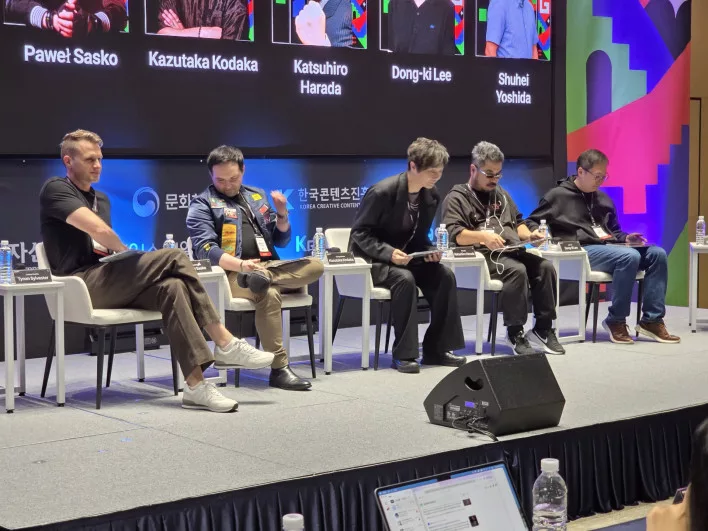
The Console Game Developers Conference 2026, held as part of the Game Days 2026 event in Seoul, brought together industry heavyweights to discuss the complexities of modern console development. From the narrative intricacies of 'The Witcher' to the rigorous polishing required for 'Stellar Blade', the conference served as a high-level exchange of knowledge regarding market entry, technical constraints, and the human element of game creation.
Hosted by the Ministry of Culture, Sports and Tourism (MCST) and the Korea Creative Content Agency (KOCCA), the event took place on November 9 at the SKY31 Convention in Lotte World Tower. Following its successful debut last year, the conference returned with a dual-track structure: a Global Track for international developers to share production experiences, and a Deep Dive Track providing practical guidance for Korean developers aiming for the console market.
Sustainability and the Human Cost of Development
A significant portion of the opening discussions focused on the industry's health. Paweł Sasko, Associate Game Director at CD Projekt Red, delivered a congratulatory message that touched upon the harsh realities of the current landscape, including layoffs and project cancellations. He emphasized that while creating engaging experiences is paramount, the industry must foster environments where development teams can work sustainably.
“To keep the spark alive, you must not burn the person holding the torch,” Sasko warned, addressing the risk of team burnout. He urged leadership to provide clear vision and direction while simultaneously improving workflows and production processes to ensure long-term stability for creative teams.
Masterclasses in Production: From Quests to Polishing
The Global Track featured five keynote lectures from creators behind some of the industry's most successful titles:
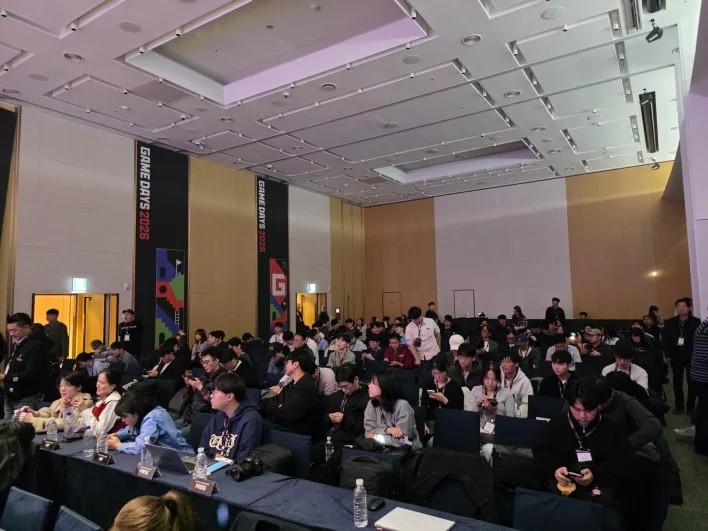
The Reality of Porting and Platform Standards
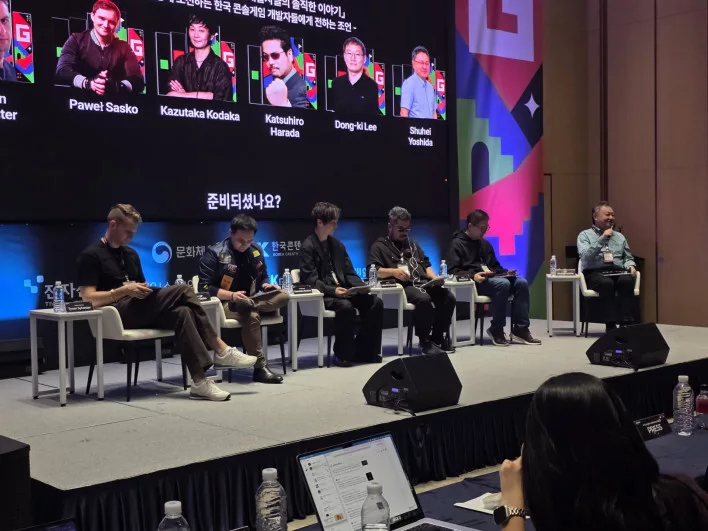
A panel discussion moderated by Shuhei Yoshida (Founder of Yosp) brought the speakers together to discuss the technical realities of multiplatform development. The conversation covered essential topics for any developer looking beyond PC, including optimization, performance constraints, and the necessity of adhering to console-specific guidelines.
Key takeaways from the panel included the importance of hardware constraints as a baseline for design, the challenges of remaking UIs for console environments (such as 'RimWorld' adjusting for TV viewing distances), and the logistical complexities of physical packaging deadlines and day-one patches.
In a separate interview, Shuhei Yoshida emphasized the critical importance of early English localization and robust controller support. He noted that a lack of language accessibility can prevent players from fully experiencing a build, and advised developers on how to effectively present their gameplay to international publishers and media.
The journey of game development is rarely a straight line. As explored in the Game Days 2026 feature, the process of bringing a title to consoles often involves a grueling cycle of trial and error. One notable case highlighted is a project that reached completion only on its seventh attempt, following six failed builds. These failed iterations were not merely wasted effort; they served as essential repositories for core gameplay elements. Critical features such as environmental walls, autonomous living mechanics, and tactical combat systems were preserved from these unsuccessful builds, eventually forming the foundation for a functional final product.
The Impact of Polishing and Validation
The difference between a mediocre release and a high-quality experience often lies in the final stages of polishing and validation. The report notes how intensive polishing can drastically shift player perception; in one instance, a boss fight's rating saw a significant jump from 4.85 to 8.6 following dedicated refinement. Beyond aesthetic improvements, the validation process is crucial for addressing fundamental gameplay issues. This includes fixing technical discrepancies like ammo scarcity and improving combat telegraphing to ensure players can react effectively to enemy movements.
Longevity and IP Strategy: The Tekken Model
Beyond the technicalities of development, the industry must grapple with the long-term management of established intellectual properties. The analysis of Tekken's 30-year survival strategy offers insight into how legacy IPs maintain relevance in a shifting market. This longevity is not accidental but is built upon a calculated approach to pricing models, strategic distribution, and the cultivation of a dedicated community. Understanding these pillars provides a blueprint for how franchises can transition through different console generations while maintaining a consistent player base.
Флешка
