
Esports Exits the Asian Games: What Is Lost
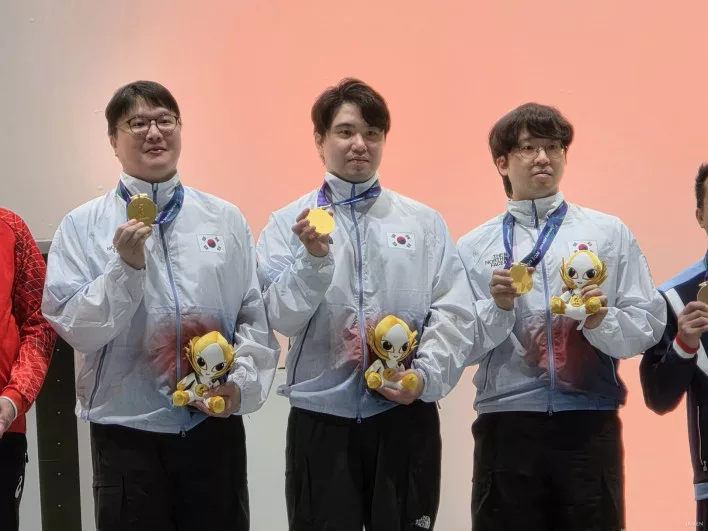
The decision by the Olympic Council of Asia (OCA) to drop esports as an official medal event from the Asian Games following the 2026 Aichi-Nagoya Games carries far-reaching implications. By moving esports to a standalone multi-sport competition, the institutional weight of the discipline is being fundamentally altered.
A New Format: From Medals to Mind Sports
Following the decision by the OCA, esports will no longer be part of the Asian Games. Instead, it is set to transition to a standalone multi-sport event: the Asian Esports and Mind Sports Games. Expected to launch in Kuwait in 2027, the event is anticipated to host approximately 4,000 participants, though the specific titles and operational schedules remain unconfirmed.
This shift is unlikely to dismantle the professional esports ecosystem immediately. Major titles, led by League of Legends, operate within publisher-led professional leagues and their own World Championships. The loss of the Asian Games stage will not destabilize the core business models of teams or the foundation of these established leagues overnight.
The Loss of Institutional Legitimacy
The most significant impact will be felt in the symbolic and institutional status of national teams. The Asian Games served as the sole sanctioned stage where esports athletes competed for their countries alongside traditional sports stars, with gold medals contributing to the official medal tally. This participation was crucial in gaining legitimacy for esports in the eyes of governments and the general public.
A separate multi-sport event may still operate under a "national team" banner, but it lacks the inherent gravity of the Asian Games. The national support framework—including selection criteria, bootcamp training, and post-competition care—will not automatically transfer to the new event. Everything must be established from the ground up without the established prestige of the existing multi-sport framework.
The Military Service Factor in South Korea
For South Korean players, the most critical consequence is the loss of military service exemptions. Under the current Enforcement Decree of the Military Service Act, eligibility for alternative service as arts and sports personnel is reserved exclusively for Olympic medalists (third place or higher) or Asian Games gold medalists. The upcoming Asian Esports and Mind Sports Games does not meet these legal criteria.
Unless the law is amended, the 2026 Aichi-Nagoya Games will be the final opportunity for top domestic players to secure alternative service through a gold medal at the Asian Games. If the practical benefits of winning vanish, the willingness of elite players to commit to national team call-ups is expected to decline significantly.
Roster Challenges and Mainstream Appeal
The loss of institutional authority creates practical challenges for assembling top-tier rosters. While publishers and teams might have cooperated with Asian Games schedules due to their prestige, a standalone event may face conflicts with global schedules or World Championships. Without incentives comparable to the Asian Games, professional interests may outweigh the honor of representing one's nation.
Furthermore, a decline in mainstream visibility is inevitable. The Asian Games acted as a gateway, introducing esports to non-gamers and terrestrial television. While a standalone event may cater effectively to core fans, it is unlikely to replicate the massive mainstream outreach and sponsorship value enjoyed within a major multi-sport festival.
Ultimately, while the scale of the new event remains to be seen, the loss of the Asian Games status is a concrete reality, leaving the future benefits of the new format largely undefined.
Цифра
