

Cyberpunk: Edgerunners Season 2: A Story of Defiance, Not Just Tragedy

The second season of Cyberpunk: Edgerunners from Studio Trigger has arrived on Netflix, and it is far from the predictable heartbreak many expected. Rather than retreading the tragic paths of the first season, this new chapter offers a surprising and defiant perspective on what it means to survive in Night City.
The season introduces a new cast of characters struggling at rock bottom: King, stripped of his augmentations after cyberpsychosis; D, caught in a cycle of revenge; Talia, navigating the underworld of the Maelstrom gang; and Roman, a young aspiring filmmaker. While the setting remains as grim as ever, the narrative tone shifts significantly. Instead of the inevitable descent into despair, the characters find reasons to push forward, finding moments of laughter and connection even in the darkest circumstances.
A major thematic shift is the treatment of violence. While the first season often portrayed violence as a visceral or even cathartic element of the descent into cyberpsychosis, Season 2 treats it as something monstrous and futile. Through the eyes of characters like Roman, the show emphasizes that violence is not a solution, often lingering on the grim reality of its consequences to drive home the message of its futility.
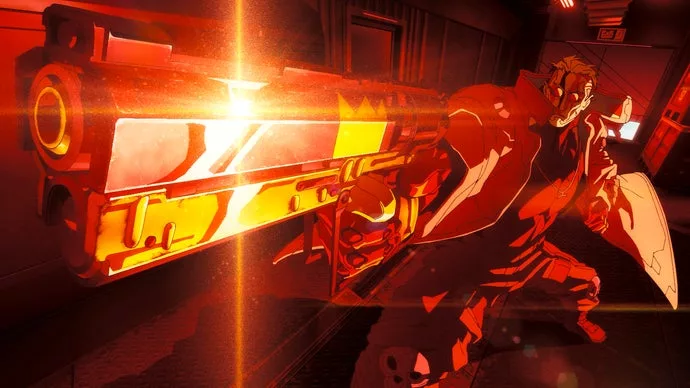
This narrative direction draws a clear parallel to the endings of Cyberpunk 2077. If the first season aligned with the 'The Sun' ending—a blaze of glory and sacrifice—the second season feels more akin to 'The Star' ending, where characters prioritize their humanity and connections over the grinding, violent reality of the city.
While some viewers might find this departure from the original 'burn bright, die young' philosophy jarring, it is a sophisticated narrative choice. Cyberpunk: Edgerunners Season 2 chooses to evolve rather than repeat, proving that even in a noir tragedy, there is courage in simply choosing to live.
Флешка
