
Profit vs. Creators: The Controversy Surrounding Black Ops Re-releases
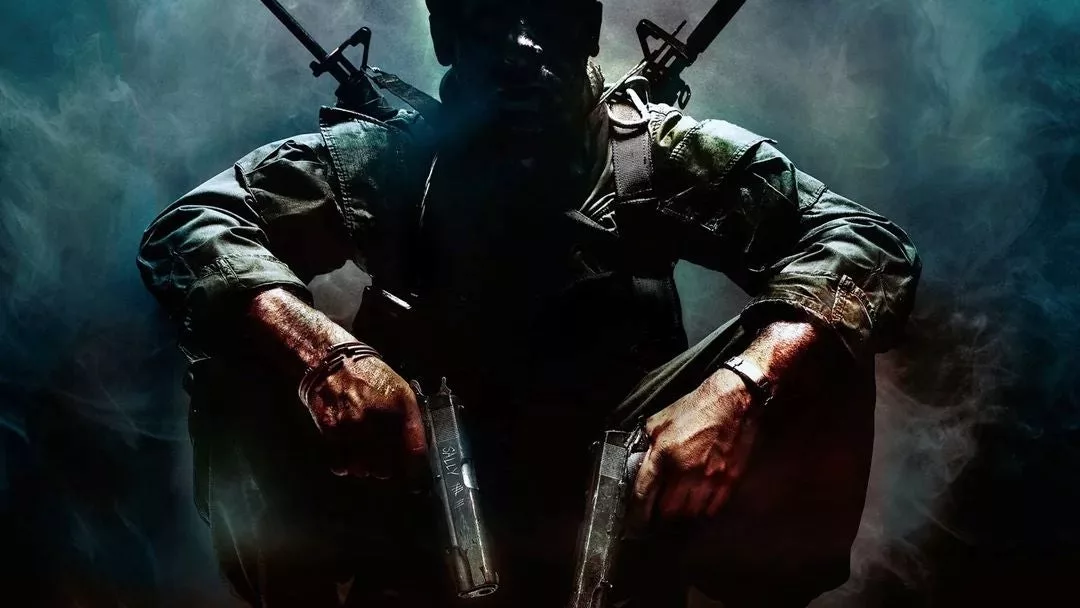
The recent success of the Black Ops 1 and Black Ops 2 re-releases has sparked a heated debate regarding how the industry compensates its talent. While Activision reaps massive profits from these legacy titles, the developers who endured intense crunch to build them claim they are being left behind.
Legacy Code, Modern Profits
Gavin Goslin, a veteran who spent over 15 years at Treyarch as a level artist and designer, took to LinkedIn to voice his frustration. He noted that the publisher is essentially "printing money" off work completed over a decade ago, highlighting a stark disconnect between corporate earnings and creator compensation.
For Goslin, who worked directly on both Black Ops 1 and Black Ops 2, the current sales charts are "bittersweet." He described the process of making those games as a period of "blood, sweat, and tears," involving countless brutal hours of crunch. While it is rewarding to see these titles still dominating the charts in 2026, he argues that it is difficult to watch executives secure massive financial windfalls from old code while the actual creators see none of it. This debate highlights the complex legacy of the Call of Duty franchise.
A Fundamental Flaw in the Industry
The discussion sparked by Goslin's post has gained significant traction across gaming media. He argues that this situation highlights a fundamental flaw in how the industry values its talent. His core argument is that if legacy games are to continue generating massive revenue for publishers years after their release, there must be mechanisms for legacy rewards and protections for the developers who sacrificed so much to build them.
The financial scale of this phenomenon is undeniable. According to data from Circana, the Black Ops 1 and Black Ops 2 re-releases were the highest-earning games in July and ranked among the top five highest-earning games of the year. Reports suggest they have sold approximately 11 million copies, generating nearly $450 million in revenue. This success is particularly notable given that these are simple re-releases of roughly 15-year-old titles rather than full remasters.
Дурик
