

Weekly Roundup: Apple M6 Power vs. China GPU Flop
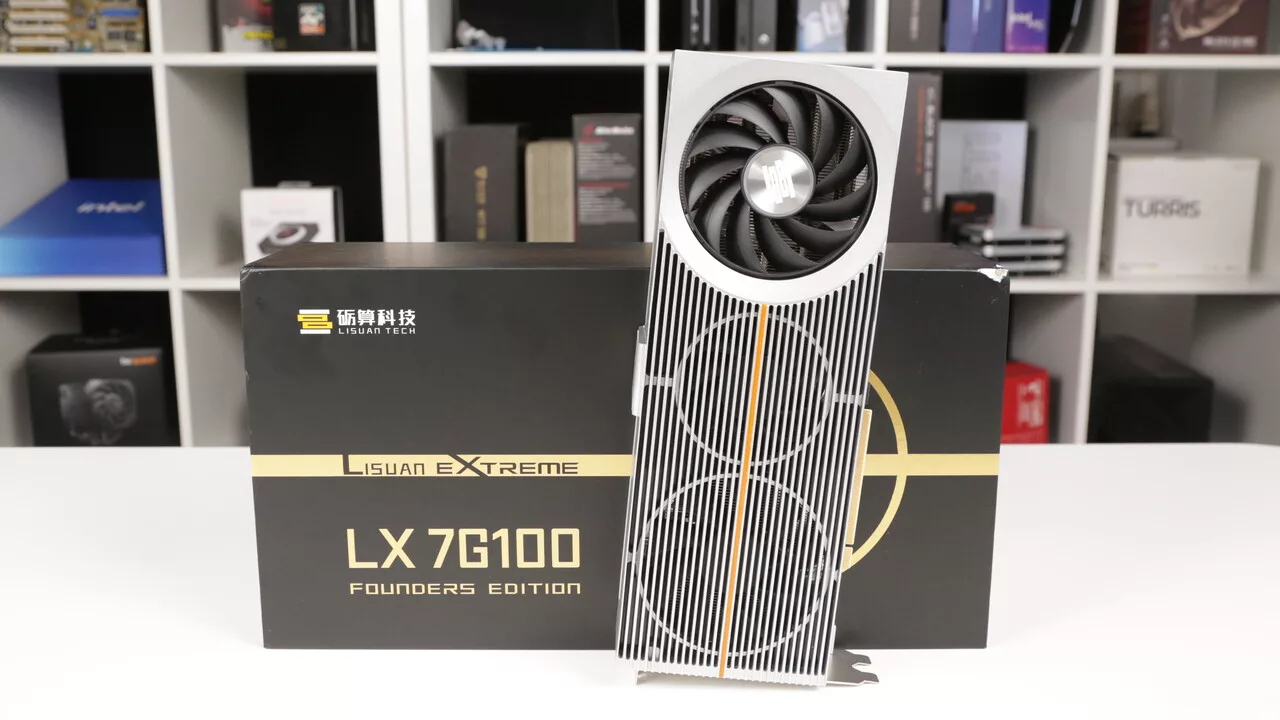
This week's highlights feature two extremes: the immense power of Apple and the struggles of a Chinese gaming GPU. While the new Apple SoC shows massive leaps in performance, the Lisuan Extreme LX7G100 proves that Chinese graphics cards still have a long way to go to compete with industry leaders.
Apple M6: A New Performance Benchmark
The Mac mini featuring the M6 processor has emerged as a standout performer. The new SoC delivers significant improvements across CPU, GPU, and NPU (Neural Processing Unit) tasks. However, potential buyers should note that the entry price is considerably higher than the previous M4 model, and the SSD remains soldered to the logic board, preventing any user-driven storage upgrades.
Before official reviews were even released, Geekbench 7 benchmarks leaked, showing the M6 significantly outperforming the AMD Ryzen 9 9950X3D2. This performance gap made the M6 news the most-read topic in our charts this week.
Lisuan Extreme LX7G100: Compatibility and Performance Gaps
Our testing of the Chinese-made Lisuan Extreme LX7G100 graphics card yielded disappointing results. While it represents a clear step up from the Moore Threads MTT-S80, its performance, efficiency, and stability still lag behind even the entry-level offerings from AMD, Nvidia, and Intel.
The issues are not just about raw power; compatibility is a major hurdle. During testing, 6 out of 20 games failed to launch entirely. Furthermore, the card is effectively unusable for modern titles requiring hardware-accelerated Ray Tracing, as its support for the technology is currently insufficient. While the hardware shows signs of improvement, it remains far from mainstream standards.
Other Notable News
In other tech news, a patent from Microsoft surfaced, describing a method for interrupting gameplay with advertisements—a feature that remains purely theoretical for now. Additionally, the FRITZ!OS 8.50 update aims to reduce gaming latency, and industry discussions continue regarding potential RAM shortages projected for 2030.
Гика
