

Anno 117: Pax Romana – Dawn of the Delta Expands Empire with Massive Egyptian DLC
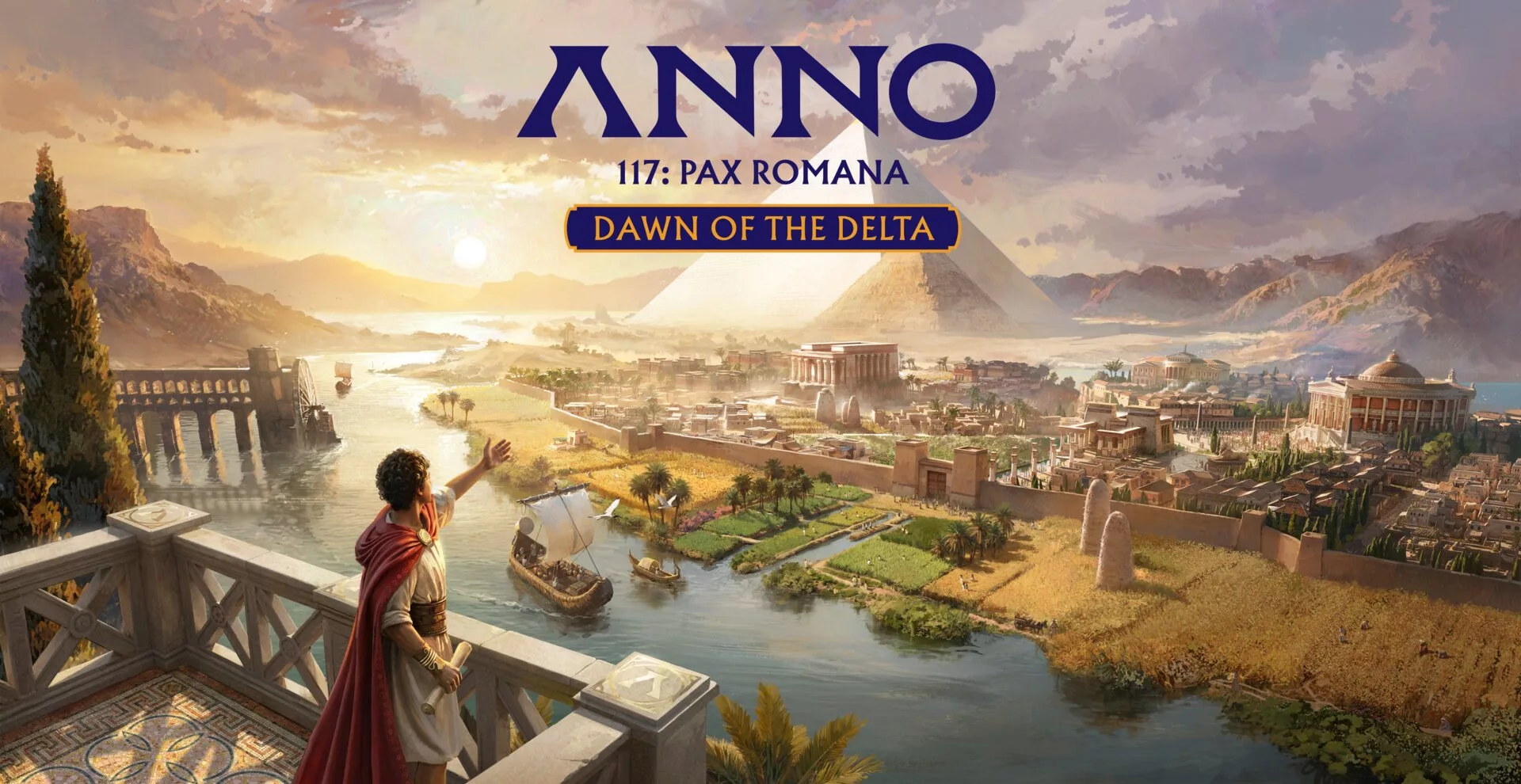
At Gamescom 2026, Ubisoft unveiled the most ambitious expansion for Anno 117: Pax Romana, titled Dawn of the Delta. Scheduled for release in November 2026, this massive update transports players to the Egyptian province of Aegyptus, a region nearly as vast and complex as the previously explored Albion. The expansion introduces five new population groups, extensive trade chains, and unique mechanics centered around the Nile River's life-giving yet dangerous floods. While Anno 117: Pax Romana launched in late 2025 to critical acclaim for its streamlined approach compared to its predecessor, this DLC aims to restore the series' signature depth by offering a distinct environmental and cultural experience.
A New Frontier: The Egyptian Delta
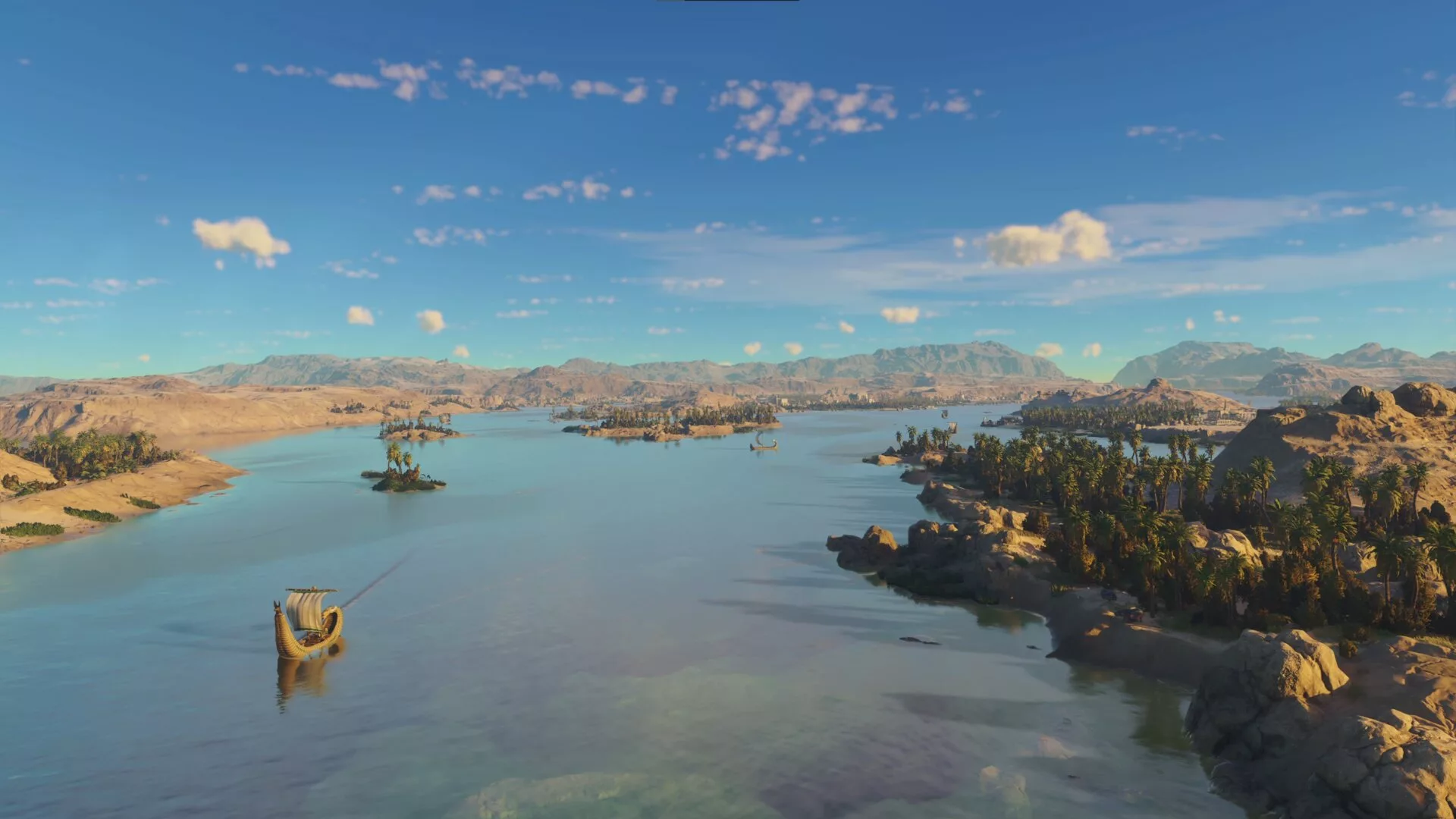
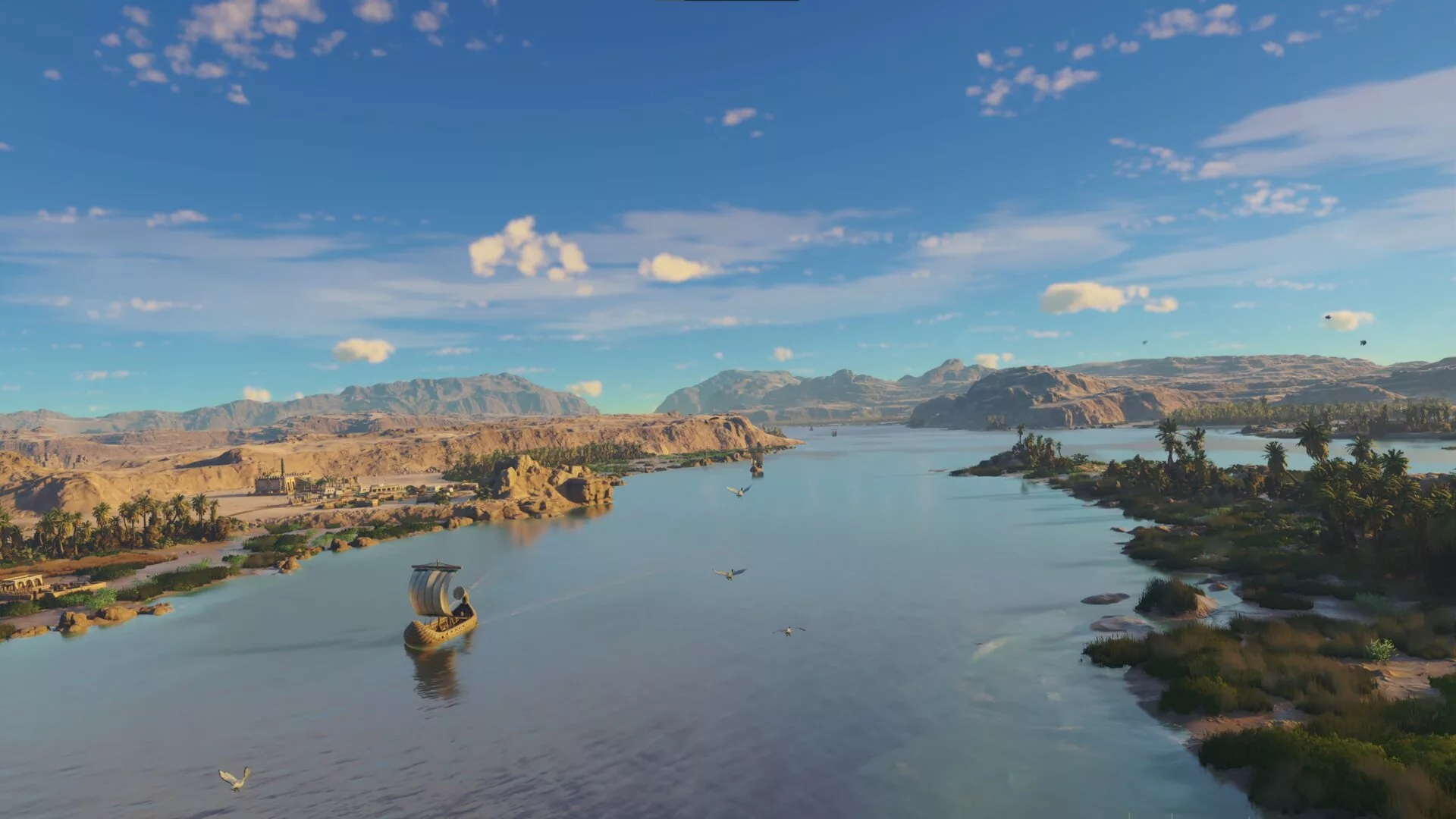
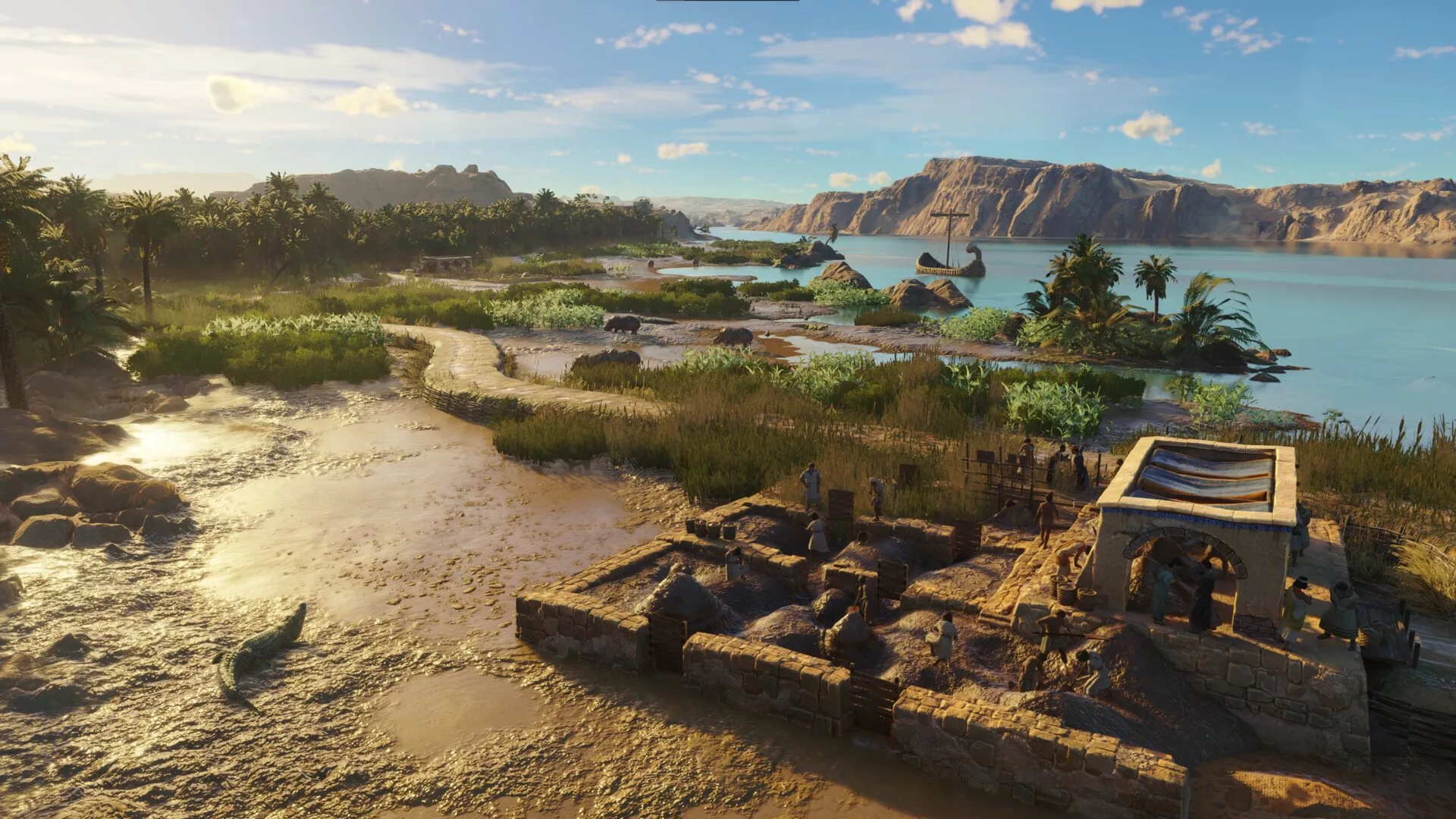
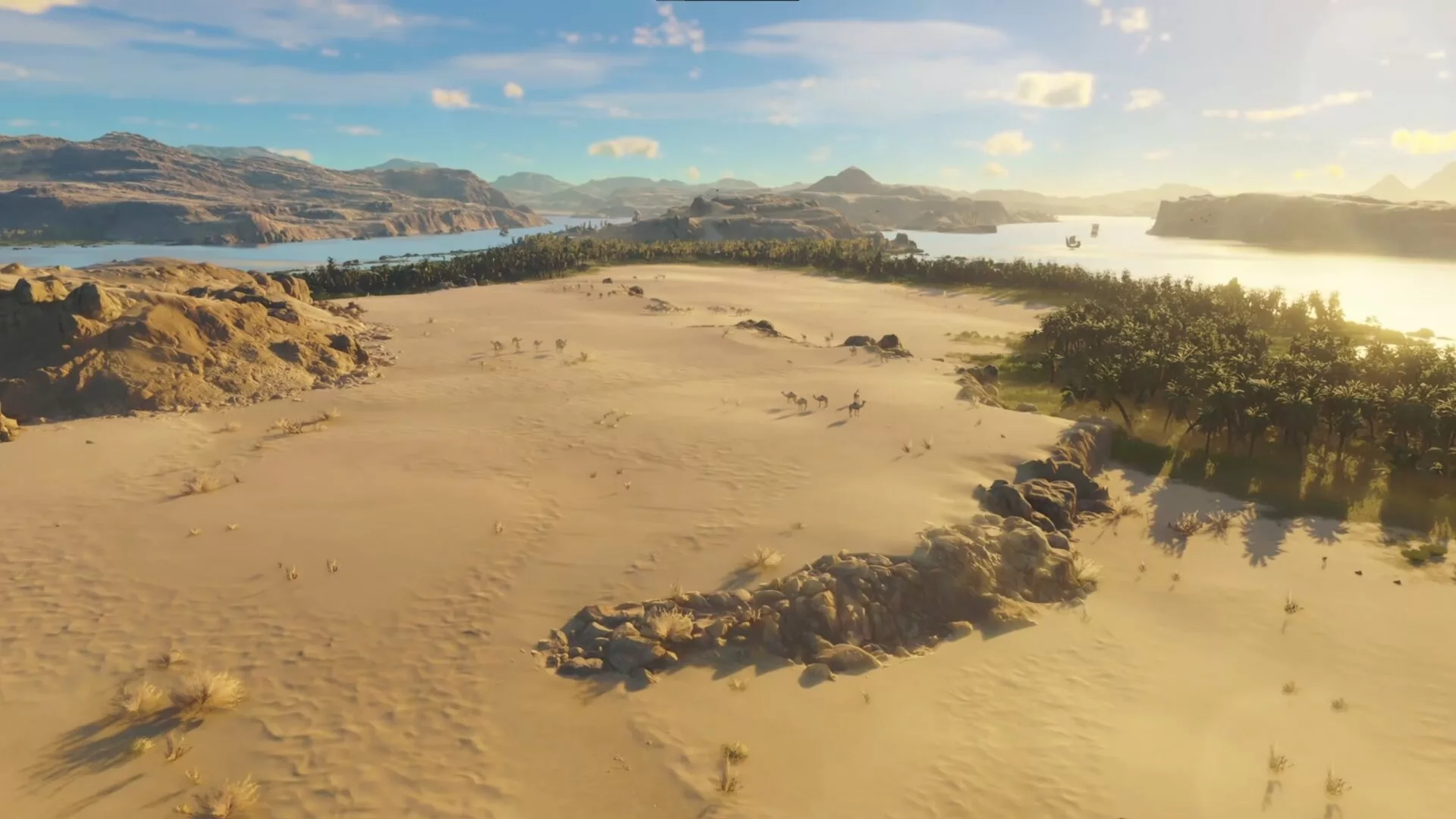
The core premise of Dawn of the Delta is the introduction of Aegyptus, a region inspired by the historical Nile Delta under Roman control in the year 117. Unlike the swampy, humid conditions of Albion or the volcanic landscapes of Latium, Aegyptus presents a stark contrast with its arid "Dryland" zones and scorching sun. However, the region is defined by the presence of the Nile itself, which transforms the landscape into a fertile breadbasket for the Empire.
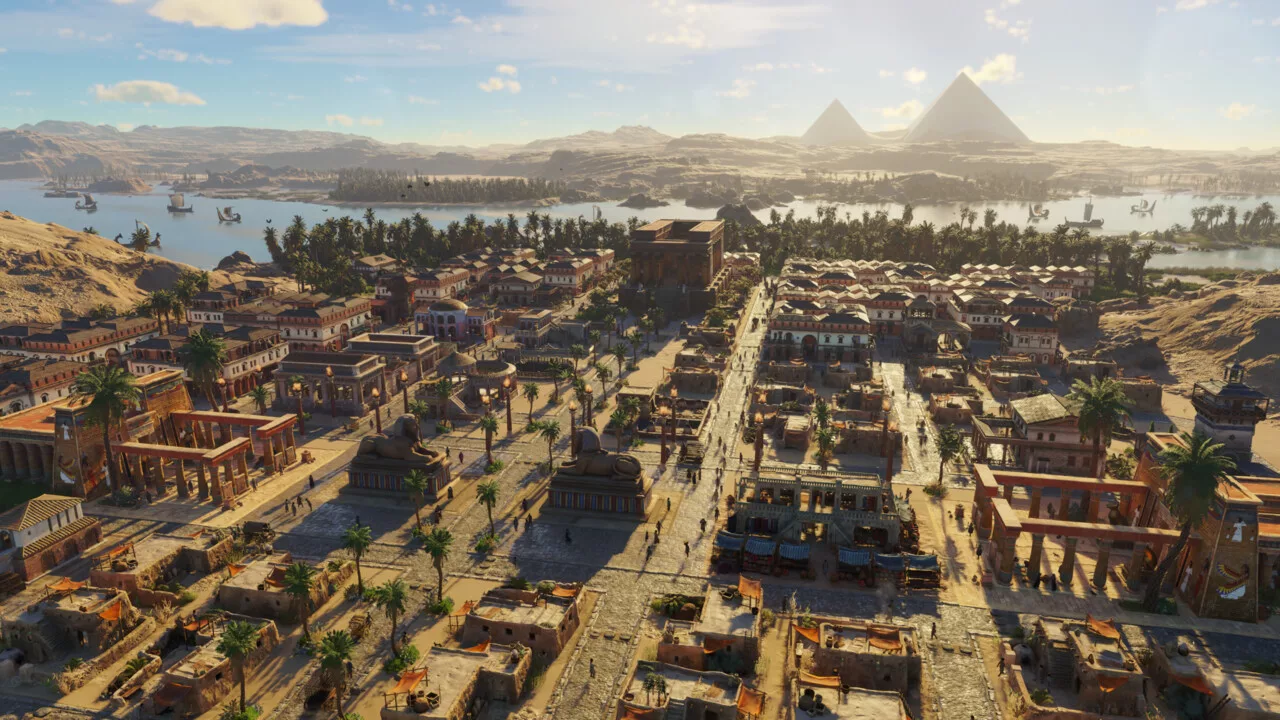
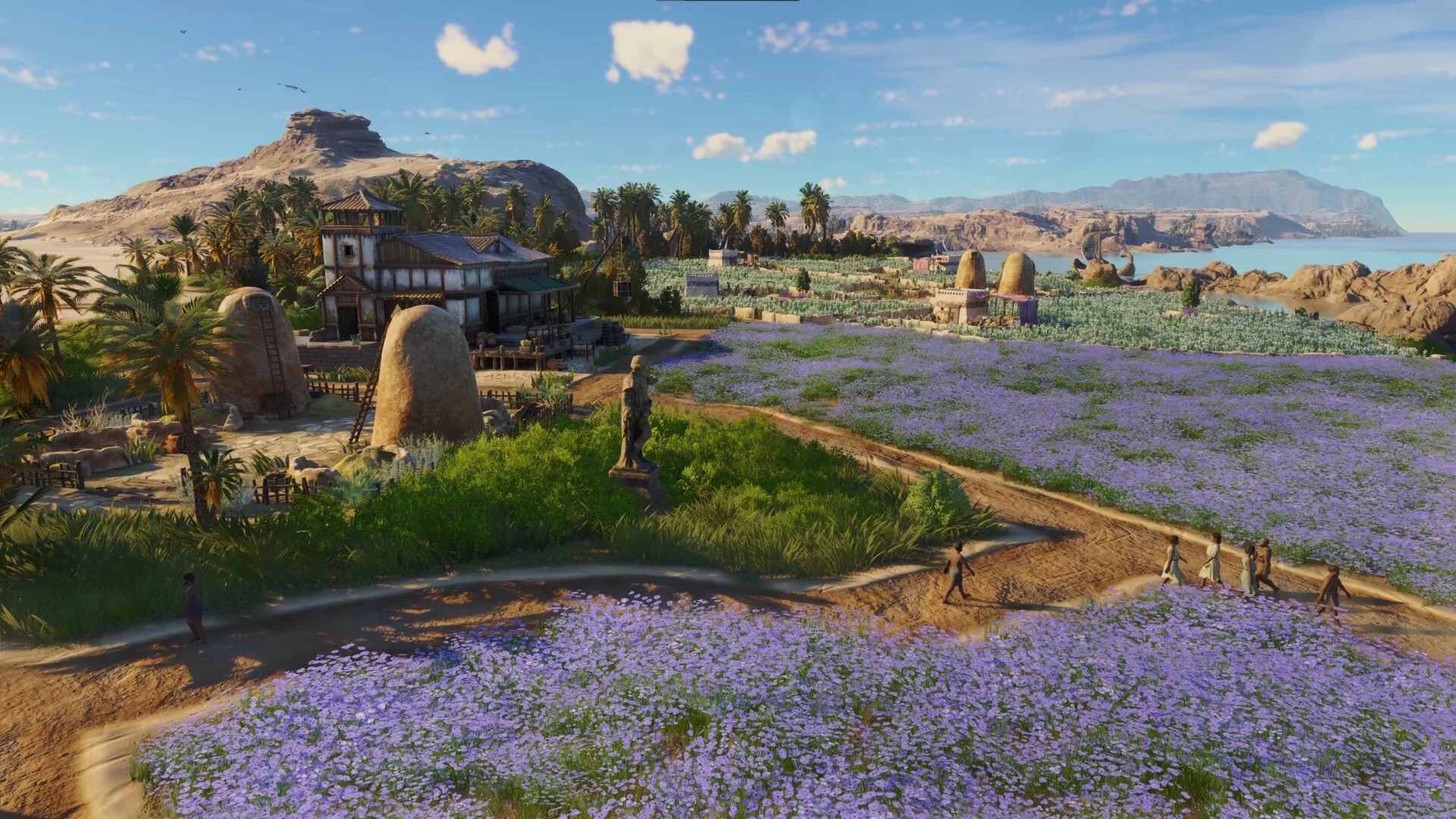
Players will manage three distinct environmental zones within this new province: the Drylands, characterized by rocky and sandy terrain that offers ample flat land for construction but lacks natural fertility; the Farmland, where agriculture is possible due to consistent rainfall or irrigation; and the Floodplains. The Floodplains represent a unique challenge: they are both a blessing and a curse. When the Nile floods, productivity drops, diseases spread, and mosquitoes become a nuisance. Yet, once the waters recede, they leave behind incredibly fertile soil that can yield harvests surpassing even the best Farmland, according to Ubisoft's developers.
Population Dynamics and Cultural Choices
A key feature of this expansion is the introduction of five new population groups, allowing for significant customization of city development. Settlements in the delta begin with the Threshers, a hardy group of farmers similar to the Celtic populations found in Albion. As these settlements grow, players face a critical decision regarding their cultural evolution:
- The Potter Path: Players can choose to maintain local Egyptian traditions by developing the Threshers into Potters. This path focuses on preserving indigenous culture and demands goods like rice-filled chicken and oil lamps.
- The Romanization Path: Alternatively, players can opt for Romanization, settling Scribes—a Greco-Roman population that requires cheese and writing materials such as papyrus. This choice reflects the historical influence of Rome on the region.
Beyond these initial choices, both paths offer a second ascent to a third population stage, though specific details for this final tier were not fully disclosed at Gamescom. The economic implications are significant: higher population stages introduce new demands that must be met through local production in Aegyptus or imports from Latium and Albion. For instance, wine and hand mirrors will need to be imported into the Delta, while Rome and Albion will require dates and writing materials respectively.
Water Management and Divine Influence
The expansion introduces over 30 new research options, with a heavy focus on water management technologies essential for survival in the delta. Two primary irrigation systems are available to players:
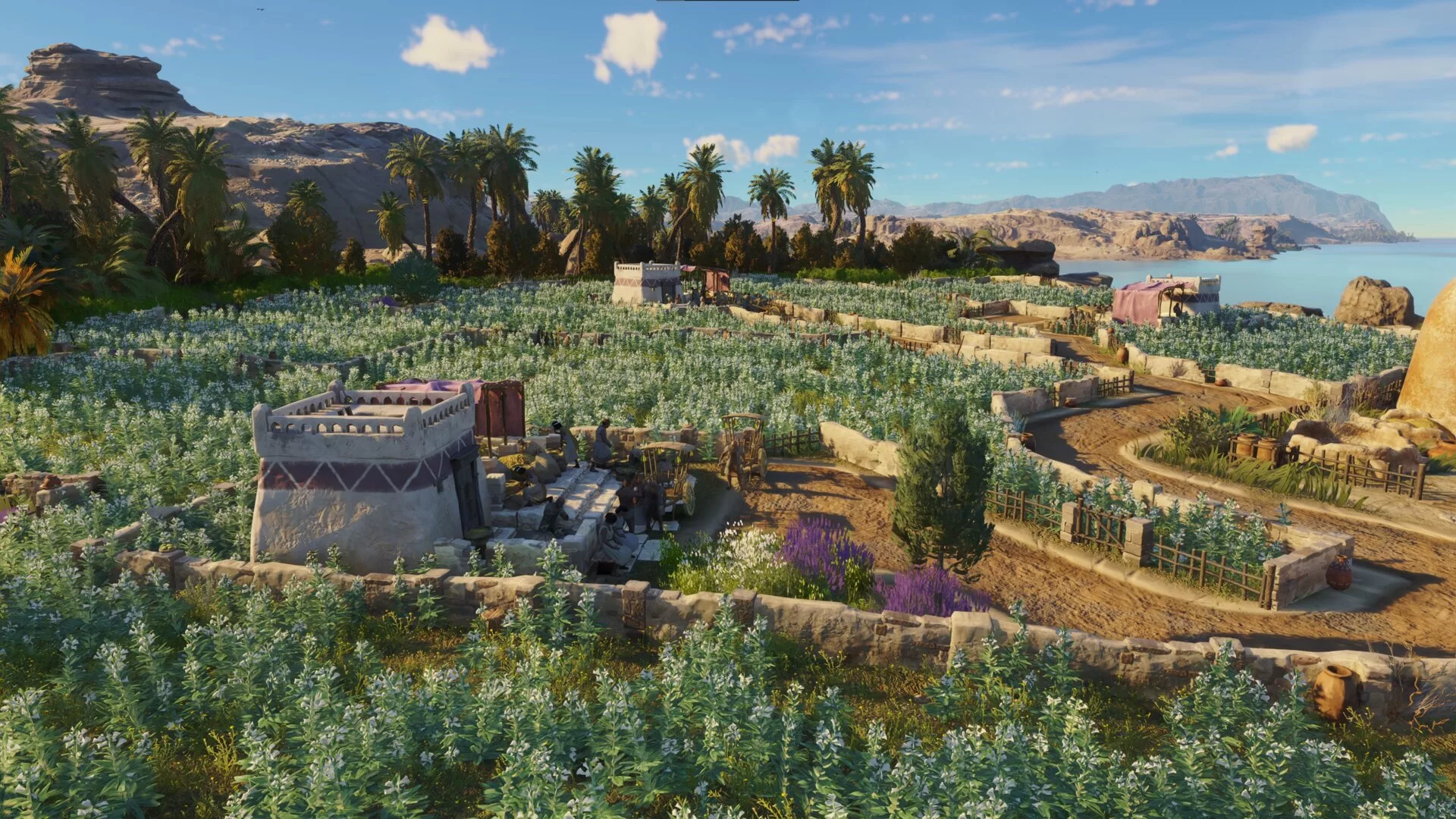
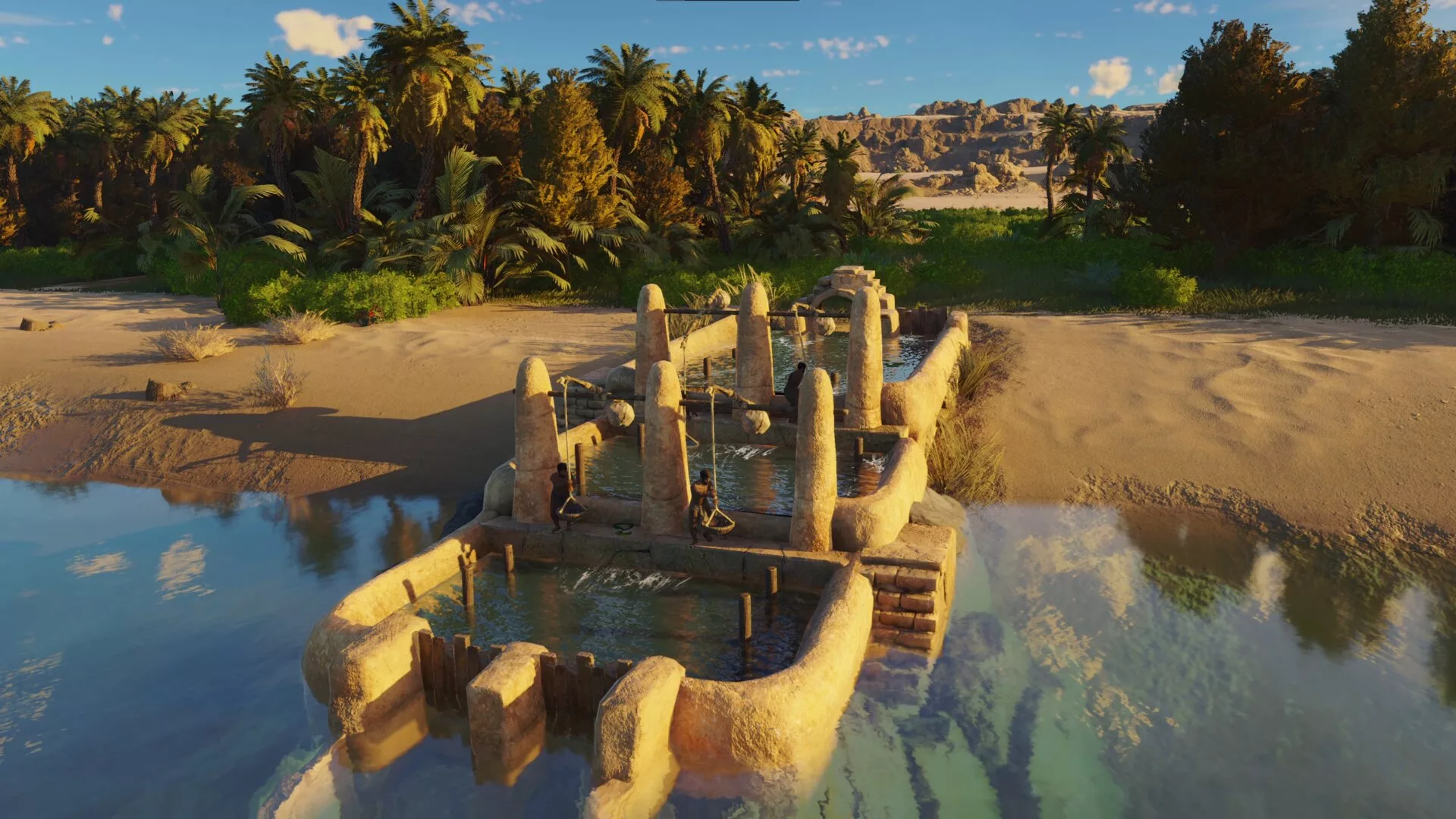
- Basins (Potters): These are placed along riverbanks and supply irrigation channels that can transform arid desert into productive farmland.
- Norias (Romans): Inspired by ancient Roman engineering, these massive water wheels can draw water from wells located deep inland via aqueducts. While offering a greater range of coverage, Norias come with higher construction costs.
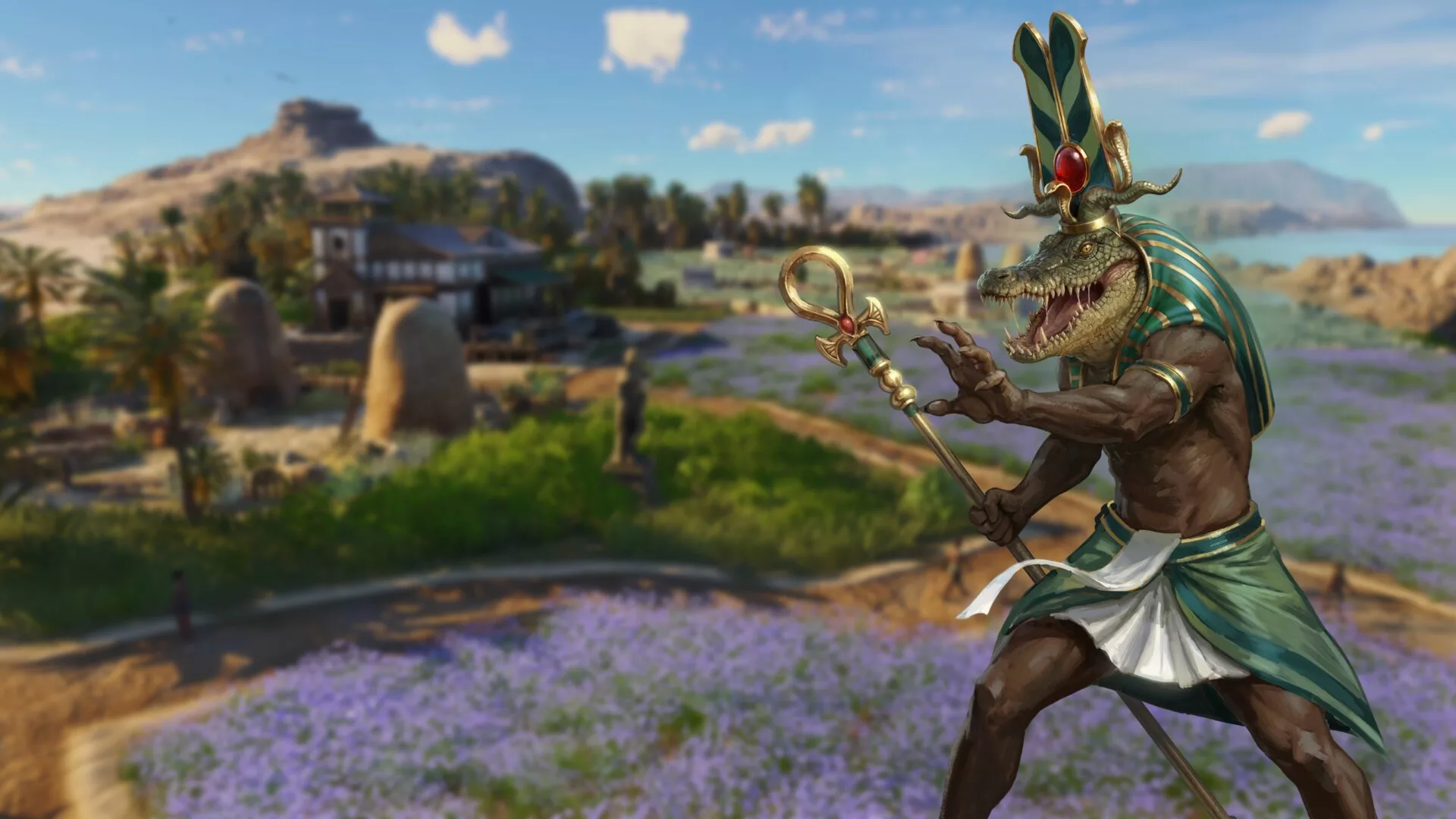
Ubisoft suggests that the most efficient strategy will likely involve a combination of both technologies. Furthermore, the expansion introduces three new deities to worship. Sobek, depicted as half-man and half-crocodile, is the god of water and fertility. Worshiping Sobek enhances the power of irrigation channels and increases population density in residential areas. Interestingly, these deities can be worshipped not only in Aegyptus but also in Latium or Albion, adding a layer of global religious influence to the game world.
Military Units and Naval Superiority
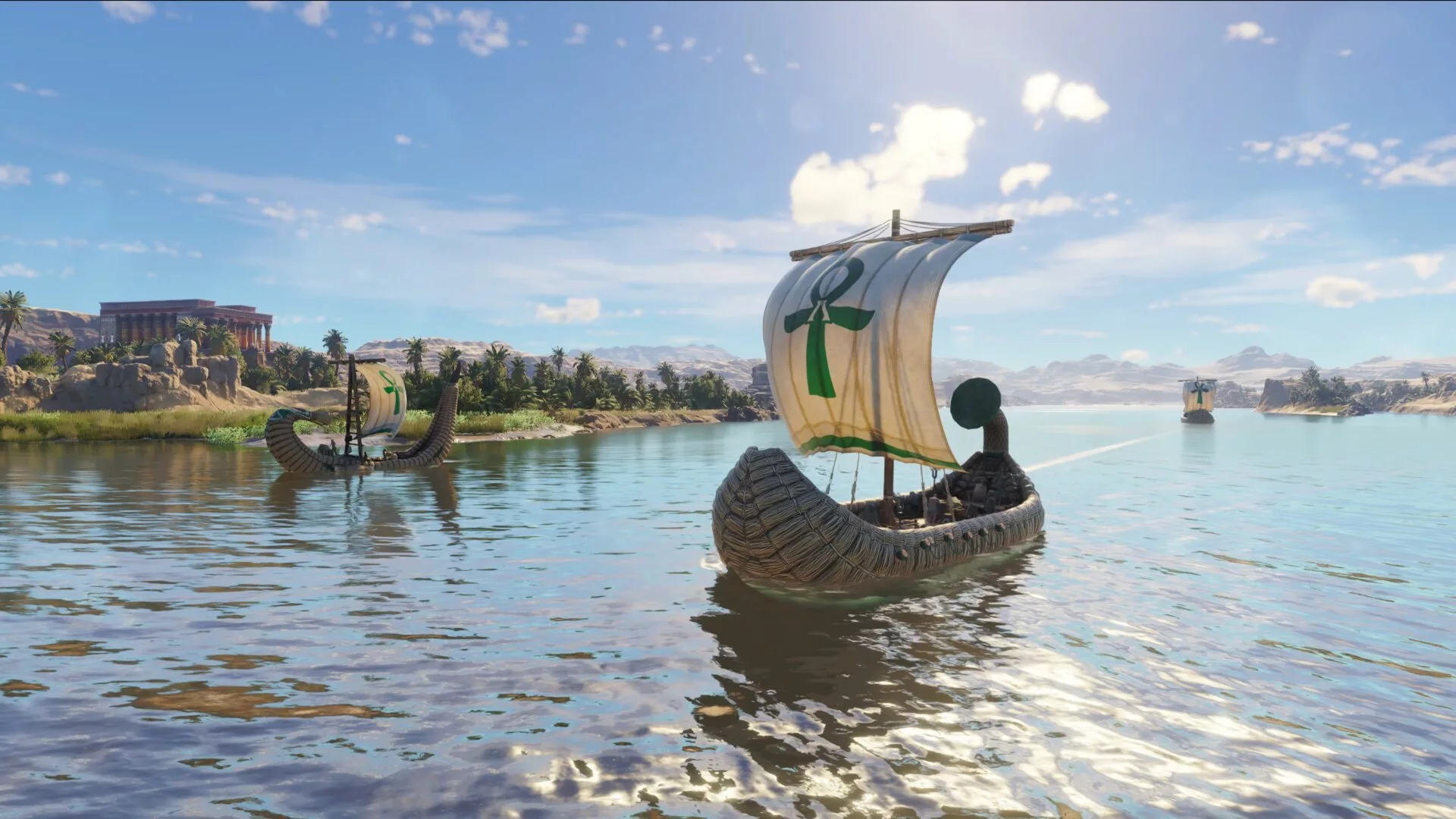
The expansion also brings new military units tailored to the specific geography of the Nile. On the water, players will encounter Egyptian ships designed to handle the river's currents and shallow waters more effectively than their Roman counterparts. However, these vessels are at a disadvantage on the open sea.
On land, the Egyptians introduce elite archers and dromedary riders equipped with spears and shields. The developers note that camels are larger than horses, meaning mounted Egyptian units will instill fear in enemy troops and lower their morale. This creates a distinct tactical advantage for players controlling the Delta.
Future Content and Cosmetic DLCs
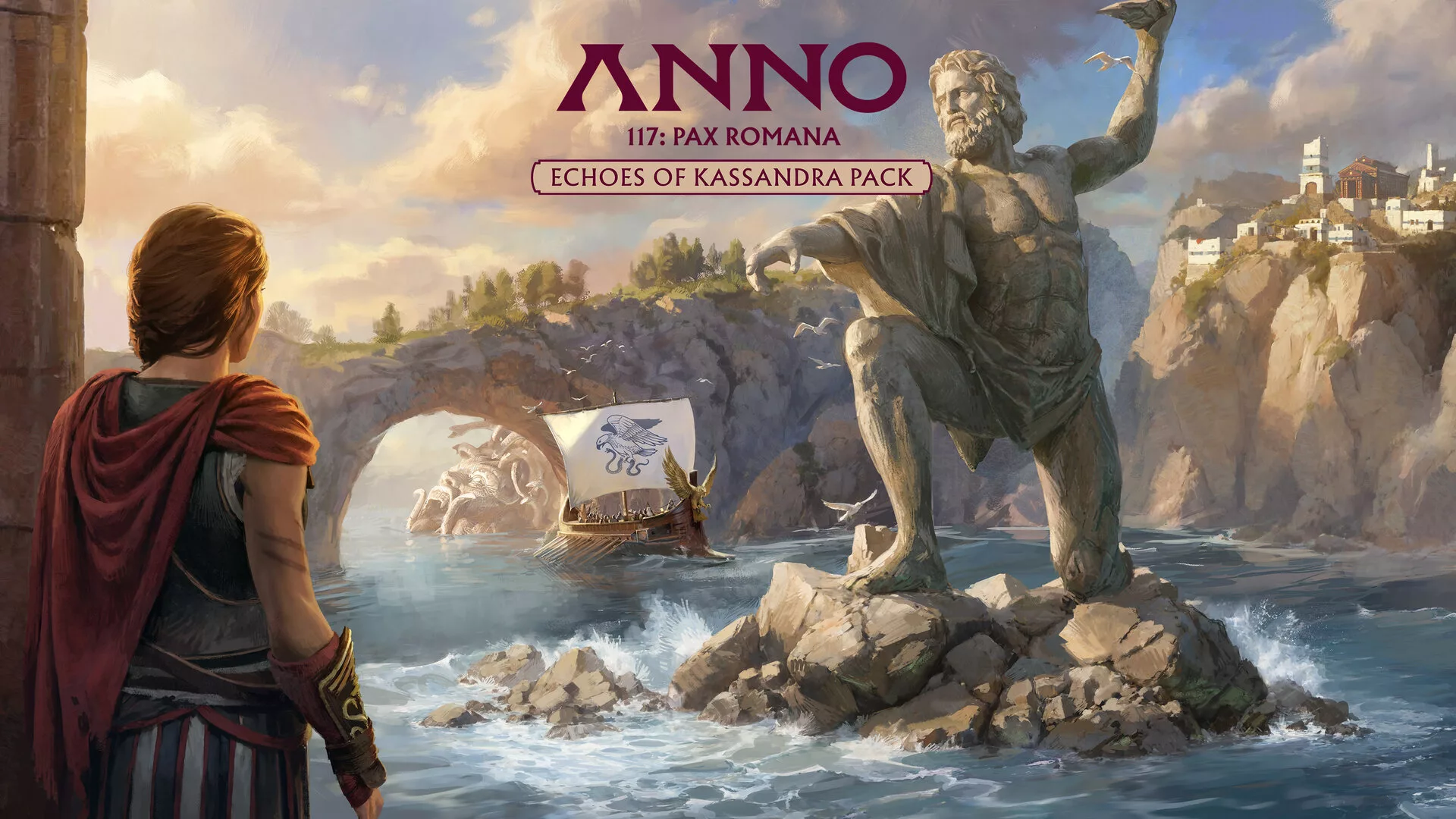
Before the main expansion arrives, Ubisoft plans to release a third cosmetic DLC titled Echoes of Kassandra. Dedicated to the protagonist of Assassin's Creed Odyssey, this pack will introduce new decorative items and skins for players to customize their cities. Additionally, while Ubisoft has not officially confirmed it, there is strong indication that development on Anno 117: Pax Romana will continue into 2027, following the established rhythm of releasing DLCs annually.
Perhaps the most intriguing omission from the Gamescom presentation was the fate of the Egyptian Pyramids. While promotional material frequently features these iconic structures, Ubisoft has remained tight-lipped about their role in the game. They have hinted that while the pyramids will be a thematic element on the horizon, they are unlikely to serve as monumental buildings due to their age during the Roman era. Instead, players can expect a narrative thread involving new characters exploring these mysterious triangular structures.
Зануда
