

Amazon to acquire Globalstar for $11.5B to boost satellite connectivity
The US regulator, the FCC, has approved Amazon's acquisition of satellite operator Globalstar for $11.5 billion. This strategic move is designed to bolster the Amazon Leo infrastructure, facilitating direct-to-device connectivity between satellites and mobile hardware.
Expanding Direct-to-Device capabilities
The FCC believes that combining the resources of both companies will strengthen Amazon's entry into the Direct-to-Device market. The goal is to create a provider capable of offering both stationary and mobile services to private consumers, enterprises, and government agencies, potentially improving data coverage in underserved areas.
A significant aspect of this deal involves Globalstar's existing relationship with Apple. Currently, Globalstar provides the satellite connectivity used for emergency SOS services on compatible iPhone models and Apple Watch devices. While Apple previously held a 20% stake in Globalstar, the new agreement dictates that Amazon Leo will operate satellite services for Apple's ecosystem.
Amazon Leo vs. SpaceX Starlink
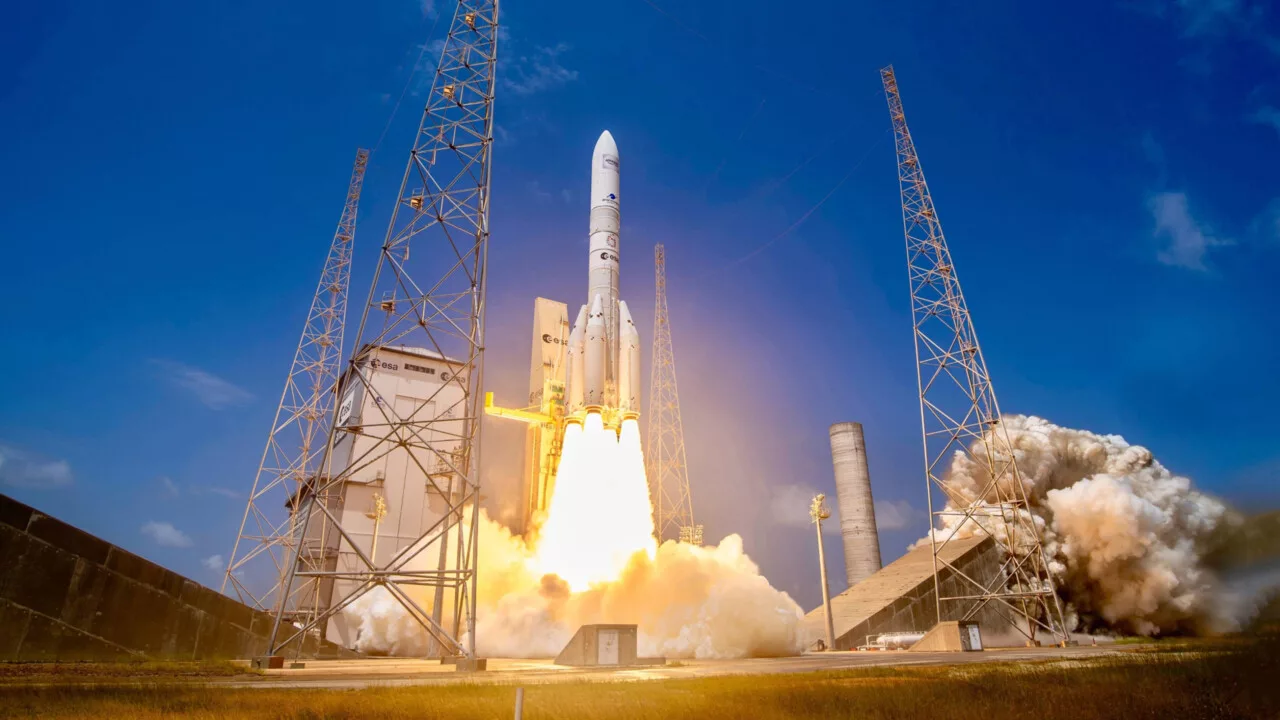
Amazon Leo is positioned as a major competitor to SpaceX's Starlink. Currently, Amazon has 400 satellites in orbit, making it the third-largest constellation. With 76 additional satellites scheduled for launch this November, the company's long-term objective is to operate more than 3,000 low-Earth orbit (LEO) satellites. Even at full scale, this network will remain considerably smaller than the SpaceX constellation, which consists of approximately 11,000 satellites.
Beyond mobile connectivity, Amazon is working with Delta to provide in-flight internet access. The exact timeline for the completion of the Globalstar acquisition has not yet been disclosed.
Гика
