
75W RTX 3060 Mod: PCIe-Powered GPU Tested
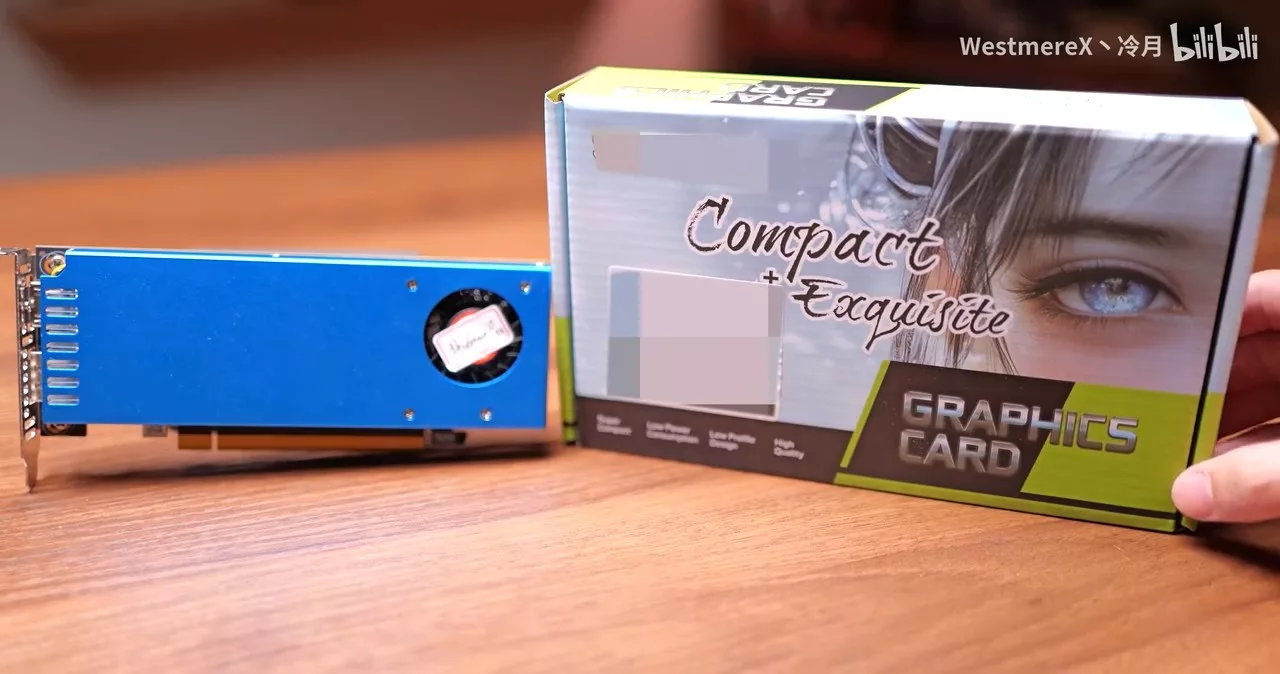
A single-slot, low-profile GeForce RTX 3060 variant that draws all its power from the PCIe slot has been tested, revealing a significant performance trade-off for its compact design. The card, which lacks external power connectors and operates at a 75W limit, delivers performance comparable to integrated graphics, according to recent testing by Tom's Hardware.
The "Nvidia" GeForce RTX 3060 (12GB) was originally launched in early 2021 as a mainstream gaming GPU with a 170W TDP. The card was recently re-released to address component shortages, but a modified version has emerged in the Chinese market. This variant is designed for systems with strict power or space constraints, such as small form factor (SFF) builds or servers that lack dedicated GPU power connectors. By eliminating the need for 6- or 8-pin power cables, the card runs entirely off the PCIe x16 slot, which provides a maximum of 75W.
Achieving this 75W limit on a chip designed for 170W requires a hardware modification known as a shunt mod. Typically used to reduce resistance for overclocking, this process is reversed here to increase resistance, effectively capping the power delivery. The physical design of the card reflects these constraints: it features a blower-style cooler roughly the size of a modern smartphone, a thin metal shroud for heat dissipation, and a rudimentary heatsink. The card is single-slot and low-profile, with only one HDMI and one DisplayPort output. It lacks a fin stack, a backplate, and any substantial cooling infrastructure beyond the basic metal sheet.
Testing results indicate that the 75W power limit severely impacts performance. The GPU's boost clocks drop significantly, resulting in frame rates that fall into the territory of mobile integrated graphics. In some comparisons, the modified RTX 3060 performs worse than the official RTX 3050 6GB, which is Nvidia's standard sub-75W Ampere card. This performance drop is attributed to the aggressive power capping, which prevents the GPU from maintaining stable clock speeds under load. While the card retains the 12GB of VRAM, the computational power is insufficient for modern gaming at reasonable resolutions.
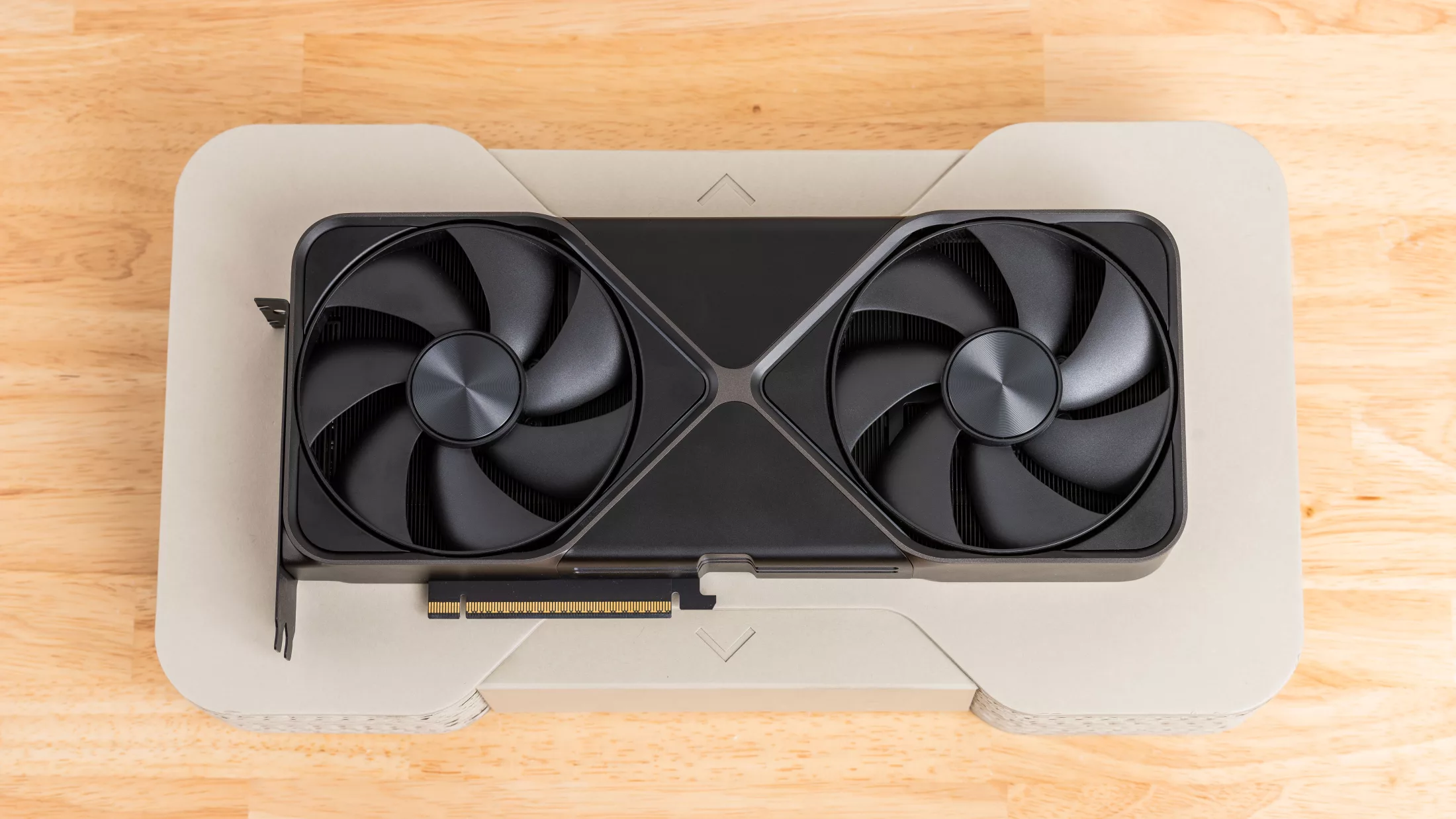
Thermal performance is also a concern. The minimal cooling solution struggles to dissipate heat effectively, leading to high temperatures during sustained workloads. The blower-style design, while compact, is not sufficient to keep the GPU within optimal thermal ranges when operating at its power limit. This raises questions about the long-term reliability of the card in enclosed spaces with limited airflow.
Despite the poor performance and thermal results, the card may find a niche in specific use cases. It could be suitable for media servers, such as those running Jellyfin for transcoding, or for low-end gaming with older titles. It is also a potential option for users who want a discrete GPU in a system with a low-power power supply unit (PSU) or in server environments where space and power are at a premium. However, for general-purpose gaming or productivity, the performance penalty is too high to be considered a viable alternative to standard RTX 3060 cards.
The existence of this modified card highlights the extreme measures some users and manufacturers take to fit hardware into constrained environments. While the convenience of a cableless, low-profile design is appealing, the trade-off in performance and thermals is substantial. Users considering such a card should be aware that it is not a drop-in replacement for a standard RTX 3060 and should manage their expectations accordingly.
Гика
