
The 'Disappearing Exploration' Problem: How 4X Games Fight Stagnation
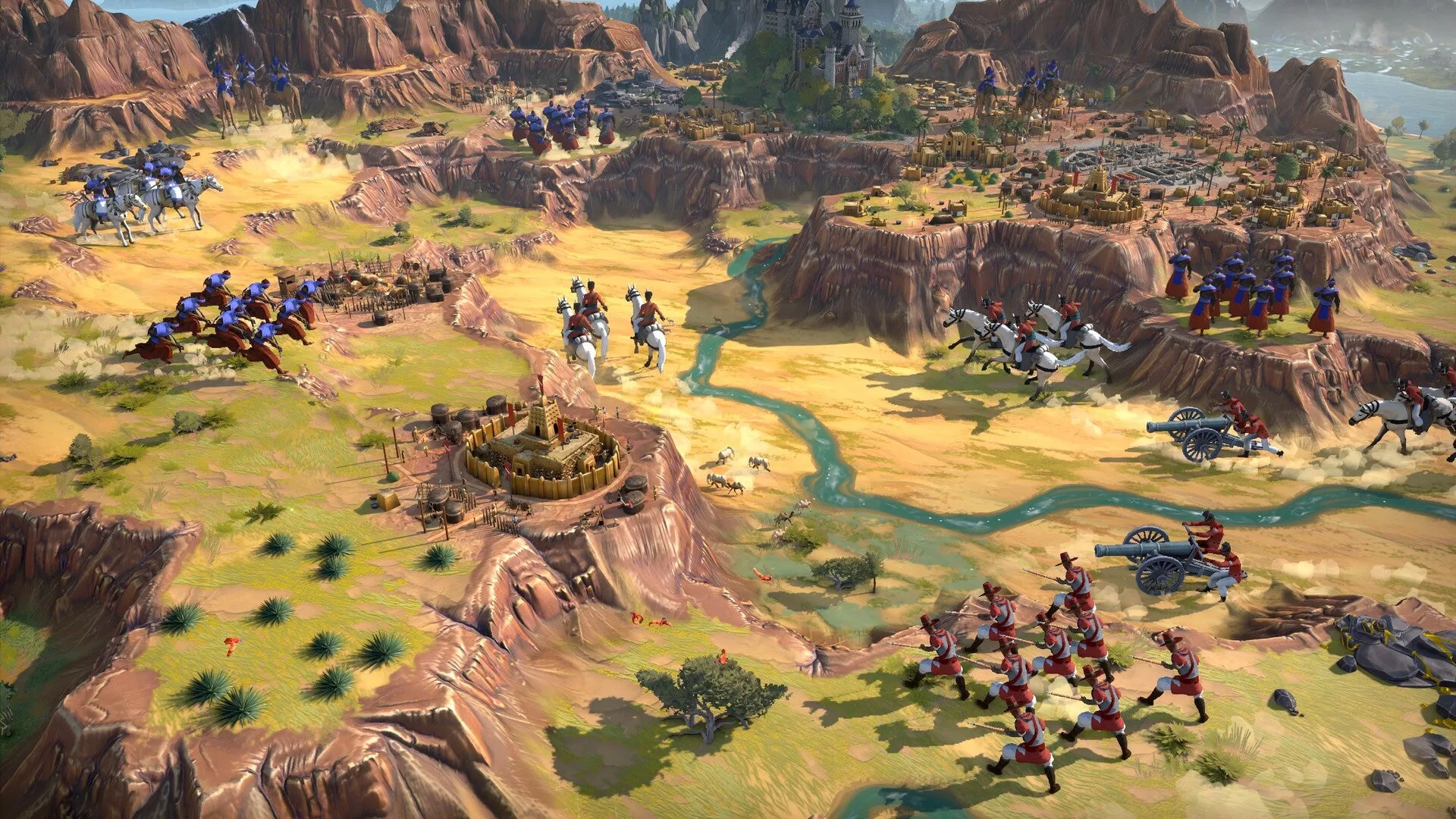
In the 4X genre, there is a persistent issue that Romain de Waubert de Genlis, co-founder and CEO of Amplitude Studios, describes as an "inherent problem." It concerns the 'exploration' aspect: once the map is uncovered, resources are identified, and enemies are spotted, the strategic landscape becomes static, leaving players with little reason to change their course of action.
Different developers are tackling this challenge with unique mechanics designed to refresh the gameplay loop during long campaigns.
Endless Legend II: Dynamic Landscapes
While the original Endless Legend used changing seasons to prevent static gameplay, Endless Legend II takes a more dramatic approach. Campaigns begin on scattered islands, but as turns progress, the waters recede to reveal new landmasses.
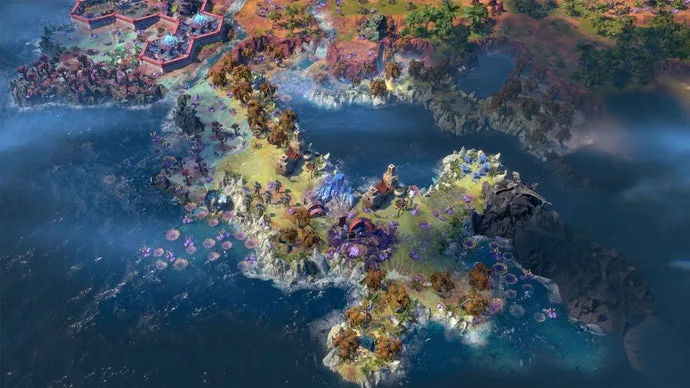
De Waubert de Genlis explains that this "shuffles the cards," preventing players from finalizing their strategy in the early turns. To avoid the issue of land expansion causing too little conflict, the developers have focused on creating choke points around valuable resources, forcing players to fight for the newly revealed territories rather than simply expanding uncontested.
Civilization 7: The Chapter System
Firaxis faced a similar hurdle: the sheer scale of management in the late game often leads players to restart rather than finish a campaign. To combat this, Civilization 7 introduces a chapter-based structure. Instead of one continuous timeline, players progress through historical eras, each concluding with a crisis point.
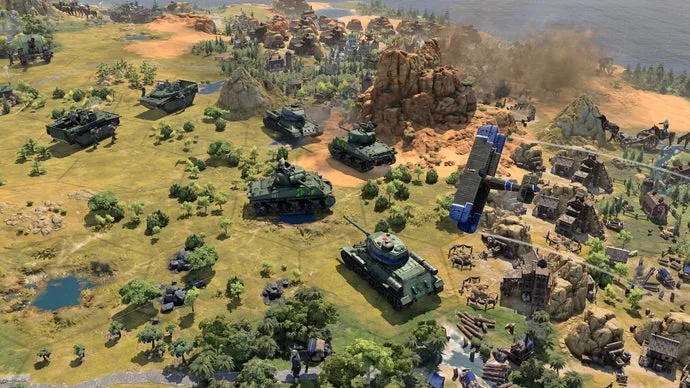
This system initially faced criticism regarding player connection to their factions. After players felt disconnected when switching nations between chapters, Firaxis adjusted the mechanics to allow players to lead a single nation through the entire campaign, maintaining continuity while still benefiting from the era-based progression.
Humankind 2: Evolution Over Replacement
The developers of Humankind 2 are also working to ensure players feel a sense of continuity. Game director Benoit Humbert notes that players in the previous title felt they were switching cultures rather than evolving a single nation. To fix this, Humankind 2 implements a system more akin to an RPG. Instead of picking a new nation, players select cultural traits that allow their existing civilization to evolve, ensuring they don't "leave something behind" as they progress through the ages.
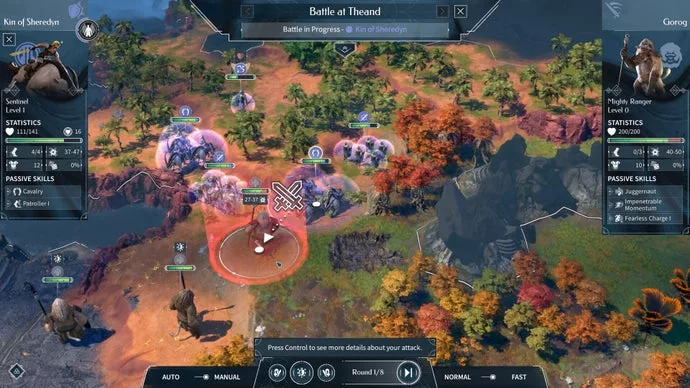
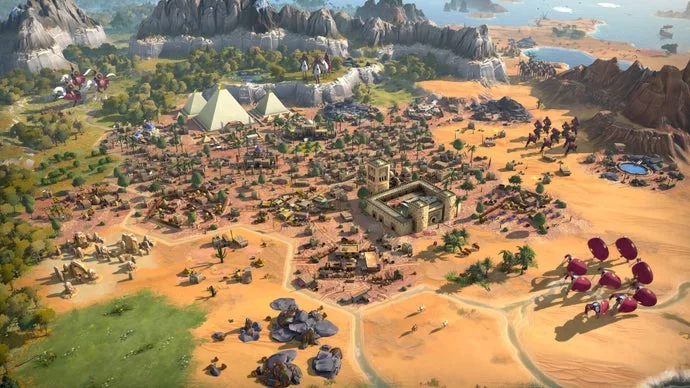
Whether through receding waters, chapter transitions, or cultural evolution, these developers are all attempting to solve the same puzzle: how to keep the 4X experience fresh and exciting until the final turn.
Флешка
